Rivera International’s Expert Playbook: How Bangladesh B2B Businesses Can Host High-Impact, Lead-Generating Webinars
October 7, 2026
49 min read
rivera@admin
Soft CTA: “Download our comprehensive guide to [topic],” or “Register for our upcoming masterclass.”
Direct CTA: “Book a free 30-minute consultation with our experts,” or “Request a demo of our solution.”
Exclusive Offer: “Attendees today get a 10% discount on their first month of service” (with a clear deadline).
Make the CTA visually prominent on your slides and verbally clear. Provide a direct link in the chat. For a garments factory client, we helped them host a webinar on “Ethical Sourcing for International Brands.” Their CTA was to “Schedule a free factory audit and compliance consultation.” They saw a 15% conversion rate on that specific CTA, resulting in several high-value follow-up meetings.
Phase 3: Post-Webinar — Turning Attendees into Clients
The webinar itself is just the beginning. The real magic, the actual lead generation and conversion, happens in the follow-up. This is where many businesses drop the ball, letting valuable leads go cold. Our team at Rivera International considers this phase as critical as the promotion itself.
The Strategic Follow-Up Sequence
Don’t just send one generic email. Your follow-up needs to be timely, personalized, and segmented based on engagement. We recommend a multi-touch approach:
Immediate Thank You & Recording (within 24 hours): Send an email to *all* registrants (attendees and no-shows). Thank attendees for their time, provide a link to the recording, and any promised resources (slides, whitepapers). For no-shows, express regret they missed it and encourage them to watch the recording.
Targeted Outreach for Engaged Attendees (within 48 hours): For those who stayed until the end, asked questions, or clicked on your CTA, a more personalized follow-up is crucial. This could be a direct email from your sales team referencing their specific questions or interests, reiterating the CTA, and offering a next step. We often automate this with CRM integrations, but a personal touch always goes further in B2B.
Nurturing for Less Engaged Leads (over 1-2 weeks): For those who attended but didn’t engage much, or watched the recording, enroll them in a targeted lead nurturing sequence. This could involve a series of emails with related blog posts, case studies, or invitations to other relevant content. The goal is to keep providing value and gently move them down the sales funnel.
We had a client who provides industrial machinery to garment factories in Mirpur. After a webinar on “Maintaining Production Efficiency during Eid Rush,” they followed up with a segmented email campaign. Attendees who clicked on the “Request a Maintenance Schedule Audit” CTA received a direct call from a sales rep. Those who just watched the recording received a series of emails on machinery upkeep tips. This layered approach helped them convert several webinar attendees into paying clients within 3-4 weeks, with an average deal size of BDT 5-7 lakh.
Data Analysis and Iteration
Post-webinar, dive deep into the data. Most webinar platforms provide detailed analytics:
Registration Rate vs. Attendance Rate: Helps you understand if your promotion is effective and if your reminders are working.
Engagement Metrics: Poll responses, chat activity, Q&A participation. This tells you what resonated.
CTA Clicks & Conversions: The ultimate measure of success.
Drop-off Points: Where did attendees leave? This can highlight areas where your content might have lost steam.
Use these insights to refine your next webinar. What topic performed best? Which promotional channel brought in the most qualified leads? What kind of CTA generated the most interest? Continuous improvement is key to mastering webinars.
Repurposing Your Content
Don’t let your webinar content live and die in a single session. Maximize its value! Our team always encourages clients to repurpose it across various channels:
Blog Posts: Transcribe the key points into a series of blog articles.
Social Media Snippets: Create short video clips (1-2 minutes) of impactful moments or key takeaways for platforms like LinkedIn, Facebook, and even TikTok for a younger B2B audience.
Infographics: Visualize key data points or processes from your webinar.
Lead Magnets: Turn your slides or a condensed version of the content into a downloadable guide.
Podcast Episodes: Extract the audio and create a podcast episode.
This extends the life of your content, boosts your SEO, and provides ongoing value to your audience, ensuring your investment in the webinar continues to pay dividends long after the live event.
Common Pitfalls for Bangladeshi B2B Webinars (and How to Avoid Them)
While webinars are powerful, they aren’t without their unique challenges, especially in our local context. We’ve seen these issues pop up repeatedly, and our team has learned how to navigate them.
Photo by https://kaboompics.com/ via Pexels
Poor Internet Connectivity: This is a big one. Always have a backup internet source (e.g., a strong mobile data connection) for your speaker and moderator. Advise attendees to join from stable connections if possible. Consider pre-recording critical segments to play if live streaming becomes unstable, then switch back to live for Q&A.
Generic Content Lacking Local Relevance: A webinar on “Global Digital Marketing Trends” might sound good, but if it doesn’t offer specific, actionable insights for businesses operating with bKash, Daraz, or facing local regulatory hurdles, it won’t resonate. Always bring it back to Bangladesh.
Overly Salesy Presentations: B2B decision-makers are smart. They can spot a thinly veiled sales pitch a mile away. Focus on education and value. Your product or service is the *solution* to the problem you’re discussing, not the main topic itself.
Ignoring the Follow-Up: This is arguably the biggest mistake. You’ve spent money and effort to get these leads. Don’t let them go cold! A robust, segmented follow-up strategy is non-negotiable.
Time Zone Miscalculations (for International B2B): If you’re targeting international buyers for your garments or leather goods, be mindful of time zones. A 10 AM Dhaka time might be 4 AM in London – not ideal. Plan accordingly or offer multiple sessions.
Lack of Interaction: A talking head for an hour is boring. Implement polls, Q&A, and chat functions to keep your audience engaged and feeling heard.
Forgetting Mobile Users: Many professionals in Bangladesh access content via mobile. Ensure your registration page and webinar platform are mobile-responsive and easy to use on smaller screens.
Rivera International: Your Partner in High-Impact Webinars
At Rivera International, we don’t just tell you what to do; we roll up our sleeves and do it with you. With 8 years of experience running performance marketing campaigns specifically for the Bangladeshi market, we understand the nuances, the challenges, and most importantly, the opportunities.
Our team provides end-to-end support for your webinar strategy:
Strategy & Planning: Helping you define your audience, goals, and content strategy.
Paid Media Management: Crafting and executing highly targeted campaigns on LinkedIn, Facebook, and other platforms to get quality registrations.
SEO & Content Support: Optimizing your landing pages and creating supporting content to boost organic visibility.
Lead Generation & Nurturing: Setting up robust follow-up sequences to convert attendees into qualified leads and, ultimately, paying clients.
Technical Guidance: Advising on platform choice and ensuring smooth execution.
We focus on measurable results. Our goal isn’t just to fill seats; it’s to fill your sales pipeline with genuinely interested prospects who are ready to do business. We’ve seen how a well-executed webinar can transform a business’s lead generation efforts, providing a consistent stream of high-quality opportunities that traditional methods often miss.
Ready to Transform Your B2B Lead Generation?
Hosting high-impact, lead-generating webinars is more than just a marketing tactic; it’s a strategic investment in your business’s future. It positions you as an industry leader, builds invaluable trust, and delivers qualified leads directly to your sales team. If you’re a Bangladeshi business owner tired of wasted marketing spend and ready for a proven approach to B2B lead generation, it’s time to explore what webinars can do for you.
Don’t let another quarter pass by with stagnant lead numbers. Our team is ready to help you craft a webinar strategy that resonates with your target audience and delivers tangible results. Request a free audit today, and let’s discuss how Rivera International can help your B2B business thrive in the digital landscape.
Start strong with a brief, impactful introduction. Acknowledge your audience and set the agenda. Throughout the presentation, keep the energy up. Vary your tone, use hand gestures, and make “eye contact” with your webcam. Encourage participation early and often:
Polls: “What’s your biggest challenge with [webinar topic]?” This gets immediate interaction and provides valuable insights.
Q&A: Don’t wait until the very end. Address a few questions mid-session to keep things dynamic.
Chat Box: Have a moderator actively monitor the chat, answering simple questions and flagging more complex ones for the speaker.
Real-World Examples: Showcase how your solutions have helped Bangladeshi businesses. Talk about specific challenges faced by a client in Savar or a business in Motijheel and how your approach provided a solution. This makes the content incredibly relatable.
Remember, this isn’t a lecture. It’s a conversation. We often advise clients to think of it as hosting a talk show, where they are the expert guide.
The Strategic Call to Action (CTA)
Every lead-generating webinar needs a clear call to action, but it shouldn’t feel like a hard sell. It should be a natural next step for those who found value in your content. Introduce it towards the end, after you’ve delivered significant value.
Photo by Yan Krukau via Pexels
Soft CTA: “Download our comprehensive guide to [topic],” or “Register for our upcoming masterclass.”
Direct CTA: “Book a free 30-minute consultation with our experts,” or “Request a demo of our solution.”
Exclusive Offer: “Attendees today get a 10% discount on their first month of service” (with a clear deadline).
Make the CTA visually prominent on your slides and verbally clear. Provide a direct link in the chat. For a garments factory client, we helped them host a webinar on “Ethical Sourcing for International Brands.” Their CTA was to “Schedule a free factory audit and compliance consultation.” They saw a 15% conversion rate on that specific CTA, resulting in several high-value follow-up meetings.
Phase 3: Post-Webinar — Turning Attendees into Clients
The webinar itself is just the beginning. The real magic, the actual lead generation and conversion, happens in the follow-up. This is where many businesses drop the ball, letting valuable leads go cold. Our team at Rivera International considers this phase as critical as the promotion itself.
The Strategic Follow-Up Sequence
Don’t just send one generic email. Your follow-up needs to be timely, personalized, and segmented based on engagement. We recommend a multi-touch approach:
Immediate Thank You & Recording (within 24 hours): Send an email to *all* registrants (attendees and no-shows). Thank attendees for their time, provide a link to the recording, and any promised resources (slides, whitepapers). For no-shows, express regret they missed it and encourage them to watch the recording.
Targeted Outreach for Engaged Attendees (within 48 hours): For those who stayed until the end, asked questions, or clicked on your CTA, a more personalized follow-up is crucial. This could be a direct email from your sales team referencing their specific questions or interests, reiterating the CTA, and offering a next step. We often automate this with CRM integrations, but a personal touch always goes further in B2B.
Nurturing for Less Engaged Leads (over 1-2 weeks): For those who attended but didn’t engage much, or watched the recording, enroll them in a targeted lead nurturing sequence. This could involve a series of emails with related blog posts, case studies, or invitations to other relevant content. The goal is to keep providing value and gently move them down the sales funnel.
We had a client who provides industrial machinery to garment factories in Mirpur. After a webinar on “Maintaining Production Efficiency during Eid Rush,” they followed up with a segmented email campaign. Attendees who clicked on the “Request a Maintenance Schedule Audit” CTA received a direct call from a sales rep. Those who just watched the recording received a series of emails on machinery upkeep tips. This layered approach helped them convert several webinar attendees into paying clients within 3-4 weeks, with an average deal size of BDT 5-7 lakh.
Data Analysis and Iteration
Post-webinar, dive deep into the data. Most webinar platforms provide detailed analytics:
Registration Rate vs. Attendance Rate: Helps you understand if your promotion is effective and if your reminders are working.
Engagement Metrics: Poll responses, chat activity, Q&A participation. This tells you what resonated.
CTA Clicks & Conversions: The ultimate measure of success.
Drop-off Points: Where did attendees leave? This can highlight areas where your content might have lost steam.
Use these insights to refine your next webinar. What topic performed best? Which promotional channel brought in the most qualified leads? What kind of CTA generated the most interest? Continuous improvement is key to mastering webinars.
Repurposing Your Content
Don’t let your webinar content live and die in a single session. Maximize its value! Our team always encourages clients to repurpose it across various channels:
Blog Posts: Transcribe the key points into a series of blog articles.
Social Media Snippets: Create short video clips (1-2 minutes) of impactful moments or key takeaways for platforms like LinkedIn, Facebook, and even TikTok for a younger B2B audience.
Infographics: Visualize key data points or processes from your webinar.
Lead Magnets: Turn your slides or a condensed version of the content into a downloadable guide.
Podcast Episodes: Extract the audio and create a podcast episode.
This extends the life of your content, boosts your SEO, and provides ongoing value to your audience, ensuring your investment in the webinar continues to pay dividends long after the live event.
Common Pitfalls for Bangladeshi B2B Webinars (and How to Avoid Them)
While webinars are powerful, they aren’t without their unique challenges, especially in our local context. We’ve seen these issues pop up repeatedly, and our team has learned how to navigate them.
Photo by https://kaboompics.com/ via Pexels
Poor Internet Connectivity: This is a big one. Always have a backup internet source (e.g., a strong mobile data connection) for your speaker and moderator. Advise attendees to join from stable connections if possible. Consider pre-recording critical segments to play if live streaming becomes unstable, then switch back to live for Q&A.
Generic Content Lacking Local Relevance: A webinar on “Global Digital Marketing Trends” might sound good, but if it doesn’t offer specific, actionable insights for businesses operating with bKash, Daraz, or facing local regulatory hurdles, it won’t resonate. Always bring it back to Bangladesh.
Overly Salesy Presentations: B2B decision-makers are smart. They can spot a thinly veiled sales pitch a mile away. Focus on education and value. Your product or service is the *solution* to the problem you’re discussing, not the main topic itself.
Ignoring the Follow-Up: This is arguably the biggest mistake. You’ve spent money and effort to get these leads. Don’t let them go cold! A robust, segmented follow-up strategy is non-negotiable.
Time Zone Miscalculations (for International B2B): If you’re targeting international buyers for your garments or leather goods, be mindful of time zones. A 10 AM Dhaka time might be 4 AM in London – not ideal. Plan accordingly or offer multiple sessions.
Lack of Interaction: A talking head for an hour is boring. Implement polls, Q&A, and chat functions to keep your audience engaged and feeling heard.
Forgetting Mobile Users: Many professionals in Bangladesh access content via mobile. Ensure your registration page and webinar platform are mobile-responsive and easy to use on smaller screens.
Rivera International: Your Partner in High-Impact Webinars
At Rivera International, we don’t just tell you what to do; we roll up our sleeves and do it with you. With 8 years of experience running performance marketing campaigns specifically for the Bangladeshi market, we understand the nuances, the challenges, and most importantly, the opportunities.
Our team provides end-to-end support for your webinar strategy:
Strategy & Planning: Helping you define your audience, goals, and content strategy.
Paid Media Management: Crafting and executing highly targeted campaigns on LinkedIn, Facebook, and other platforms to get quality registrations.
SEO & Content Support: Optimizing your landing pages and creating supporting content to boost organic visibility.
Lead Generation & Nurturing: Setting up robust follow-up sequences to convert attendees into qualified leads and, ultimately, paying clients.
Technical Guidance: Advising on platform choice and ensuring smooth execution.
We focus on measurable results. Our goal isn’t just to fill seats; it’s to fill your sales pipeline with genuinely interested prospects who are ready to do business. We’ve seen how a well-executed webinar can transform a business’s lead generation efforts, providing a consistent stream of high-quality opportunities that traditional methods often miss.
Ready to Transform Your B2B Lead Generation?
Hosting high-impact, lead-generating webinars is more than just a marketing tactic; it’s a strategic investment in your business’s future. It positions you as an industry leader, builds invaluable trust, and delivers qualified leads directly to your sales team. If you’re a Bangladeshi business owner tired of wasted marketing spend and ready for a proven approach to B2B lead generation, it’s time to explore what webinars can do for you.
Don’t let another quarter pass by with stagnant lead numbers. Our team is ready to help you craft a webinar strategy that resonates with your target audience and delivers tangible results. Request a free audit today, and let’s discuss how Rivera International can help your B2B business thrive in the digital landscape.
LinkedIn Ads: Target by job title, industry, company size, and even specific companies. For a garments sector webinar, we might target “Procurement Manager,” “Export Director,” or “Factory Owner” in Bangladesh. A budget of BDT 30,000-50,000 over two weeks can generate hundreds of qualified registrations.
Facebook & Instagram Ads: While often seen as B2C, these platforms can be highly effective for B2B in Bangladesh. We use lookalike audiences from your existing client lists and detailed interest targeting (e.g., “supply chain management,” “industrial machinery,” “real estate investment Dhaka”) to reach relevant professionals. We had a client in Gulshan, a consulting firm, who saw a cost-per-registration of BDT 150-200 for a webinar on business process automation using a targeted Facebook campaign – significantly cheaper than LinkedIn for their specific audience.
SEO & Content Marketing: Create a dedicated landing page for your webinar registration. Optimize it with relevant keywords. Write blog posts leading up to the event that tease the topics and encourage registration. This builds organic interest over time.
Email Marketing: Your existing customer database and email list are gold. Send out a series of invitation emails, highlighting the value proposition and speaker credentials. Segment your list to ensure the message is relevant to each group.
Strategic Partnerships: Collaborate with industry associations, complementary businesses, or influencers. Cross-promotion can significantly expand your reach.
Organic Social Media: Share across all your business’s social channels. Use compelling visuals and strong calls to action.
For a recent real estate client launching a new commercial project, our team ran a 3-week paid media campaign (BDT 40,000 on LinkedIn, BDT 25,000 on Facebook) targeting investors and business owners. We generated over 300 registrations for their webinar, with an attendance rate of nearly 40% – far exceeding their expectations for direct outreach.
Photo by RDNE Stock project via Pexels
Streamlining Registration & Reminders
Keep your registration form simple. Only ask for essential information: Name, Email, Company, Job Title, Phone Number. Too many fields kill conversion rates. If you’re running a paid webinar (less common for lead generation, but possible for premium content), consider integrating bKash for easy payment processing – it’s familiar and convenient for the Bangladeshi audience.
Crucially, set up automated reminders. We recommend a sequence:
Confirmation Email: Immediately after registration, with calendar invite.
24-Hour Reminder: Day before the event.
1-Hour Reminder: One hour before, with direct link.
15-Minute Reminder: Just before starting, a final nudge.
These reminders significantly boost attendance rates. We often include an SMS reminder for the 1-hour mark for our local campaigns, knowing how effective mobile communication is here.
Phase 2: During the Webinar — Engaging for Impact
You’ve done the hard work of getting people to show up. Now, it’s time to deliver. This phase is all about creating a memorable, valuable experience that leaves attendees impressed and eager to learn more.
Flawless Technical Execution
This cannot be overstated. Test everything: internet connection (have a backup, like a mobile hotspot), audio, video, screen sharing, and presentation slides. Designate a technical moderator from your team to handle any issues that arise, so your speaker can focus solely on the content. We’ve seen good webinars derailed by a speaker’s shaky internet connection or audio issues – it instantly erodes credibility.
Delivering an Engaging Presentation
Start strong with a brief, impactful introduction. Acknowledge your audience and set the agenda. Throughout the presentation, keep the energy up. Vary your tone, use hand gestures, and make “eye contact” with your webcam. Encourage participation early and often:
Polls: “What’s your biggest challenge with [webinar topic]?” This gets immediate interaction and provides valuable insights.
Q&A: Don’t wait until the very end. Address a few questions mid-session to keep things dynamic.
Chat Box: Have a moderator actively monitor the chat, answering simple questions and flagging more complex ones for the speaker.
Real-World Examples: Showcase how your solutions have helped Bangladeshi businesses. Talk about specific challenges faced by a client in Savar or a business in Motijheel and how your approach provided a solution. This makes the content incredibly relatable.
Remember, this isn’t a lecture. It’s a conversation. We often advise clients to think of it as hosting a talk show, where they are the expert guide.
The Strategic Call to Action (CTA)
Every lead-generating webinar needs a clear call to action, but it shouldn’t feel like a hard sell. It should be a natural next step for those who found value in your content. Introduce it towards the end, after you’ve delivered significant value.
Photo by Yan Krukau via Pexels
Soft CTA: “Download our comprehensive guide to [topic],” or “Register for our upcoming masterclass.”
Direct CTA: “Book a free 30-minute consultation with our experts,” or “Request a demo of our solution.”
Exclusive Offer: “Attendees today get a 10% discount on their first month of service” (with a clear deadline).
Make the CTA visually prominent on your slides and verbally clear. Provide a direct link in the chat. For a garments factory client, we helped them host a webinar on “Ethical Sourcing for International Brands.” Their CTA was to “Schedule a free factory audit and compliance consultation.” They saw a 15% conversion rate on that specific CTA, resulting in several high-value follow-up meetings.
Phase 3: Post-Webinar — Turning Attendees into Clients
The webinar itself is just the beginning. The real magic, the actual lead generation and conversion, happens in the follow-up. This is where many businesses drop the ball, letting valuable leads go cold. Our team at Rivera International considers this phase as critical as the promotion itself.
The Strategic Follow-Up Sequence
Don’t just send one generic email. Your follow-up needs to be timely, personalized, and segmented based on engagement. We recommend a multi-touch approach:
Immediate Thank You & Recording (within 24 hours): Send an email to *all* registrants (attendees and no-shows). Thank attendees for their time, provide a link to the recording, and any promised resources (slides, whitepapers). For no-shows, express regret they missed it and encourage them to watch the recording.
Targeted Outreach for Engaged Attendees (within 48 hours): For those who stayed until the end, asked questions, or clicked on your CTA, a more personalized follow-up is crucial. This could be a direct email from your sales team referencing their specific questions or interests, reiterating the CTA, and offering a next step. We often automate this with CRM integrations, but a personal touch always goes further in B2B.
Nurturing for Less Engaged Leads (over 1-2 weeks): For those who attended but didn’t engage much, or watched the recording, enroll them in a targeted lead nurturing sequence. This could involve a series of emails with related blog posts, case studies, or invitations to other relevant content. The goal is to keep providing value and gently move them down the sales funnel.
We had a client who provides industrial machinery to garment factories in Mirpur. After a webinar on “Maintaining Production Efficiency during Eid Rush,” they followed up with a segmented email campaign. Attendees who clicked on the “Request a Maintenance Schedule Audit” CTA received a direct call from a sales rep. Those who just watched the recording received a series of emails on machinery upkeep tips. This layered approach helped them convert several webinar attendees into paying clients within 3-4 weeks, with an average deal size of BDT 5-7 lakh.
Data Analysis and Iteration
Post-webinar, dive deep into the data. Most webinar platforms provide detailed analytics:
Registration Rate vs. Attendance Rate: Helps you understand if your promotion is effective and if your reminders are working.
Engagement Metrics: Poll responses, chat activity, Q&A participation. This tells you what resonated.
CTA Clicks & Conversions: The ultimate measure of success.
Drop-off Points: Where did attendees leave? This can highlight areas where your content might have lost steam.
Use these insights to refine your next webinar. What topic performed best? Which promotional channel brought in the most qualified leads? What kind of CTA generated the most interest? Continuous improvement is key to mastering webinars.
Repurposing Your Content
Don’t let your webinar content live and die in a single session. Maximize its value! Our team always encourages clients to repurpose it across various channels:
Blog Posts: Transcribe the key points into a series of blog articles.
Social Media Snippets: Create short video clips (1-2 minutes) of impactful moments or key takeaways for platforms like LinkedIn, Facebook, and even TikTok for a younger B2B audience.
Infographics: Visualize key data points or processes from your webinar.
Lead Magnets: Turn your slides or a condensed version of the content into a downloadable guide.
Podcast Episodes: Extract the audio and create a podcast episode.
This extends the life of your content, boosts your SEO, and provides ongoing value to your audience, ensuring your investment in the webinar continues to pay dividends long after the live event.
Common Pitfalls for Bangladeshi B2B Webinars (and How to Avoid Them)
While webinars are powerful, they aren’t without their unique challenges, especially in our local context. We’ve seen these issues pop up repeatedly, and our team has learned how to navigate them.
Photo by https://kaboompics.com/ via Pexels
Poor Internet Connectivity: This is a big one. Always have a backup internet source (e.g., a strong mobile data connection) for your speaker and moderator. Advise attendees to join from stable connections if possible. Consider pre-recording critical segments to play if live streaming becomes unstable, then switch back to live for Q&A.
Generic Content Lacking Local Relevance: A webinar on “Global Digital Marketing Trends” might sound good, but if it doesn’t offer specific, actionable insights for businesses operating with bKash, Daraz, or facing local regulatory hurdles, it won’t resonate. Always bring it back to Bangladesh.
Overly Salesy Presentations: B2B decision-makers are smart. They can spot a thinly veiled sales pitch a mile away. Focus on education and value. Your product or service is the *solution* to the problem you’re discussing, not the main topic itself.
Ignoring the Follow-Up: This is arguably the biggest mistake. You’ve spent money and effort to get these leads. Don’t let them go cold! A robust, segmented follow-up strategy is non-negotiable.
Time Zone Miscalculations (for International B2B): If you’re targeting international buyers for your garments or leather goods, be mindful of time zones. A 10 AM Dhaka time might be 4 AM in London – not ideal. Plan accordingly or offer multiple sessions.
Lack of Interaction: A talking head for an hour is boring. Implement polls, Q&A, and chat functions to keep your audience engaged and feeling heard.
Forgetting Mobile Users: Many professionals in Bangladesh access content via mobile. Ensure your registration page and webinar platform are mobile-responsive and easy to use on smaller screens.
Rivera International: Your Partner in High-Impact Webinars
At Rivera International, we don’t just tell you what to do; we roll up our sleeves and do it with you. With 8 years of experience running performance marketing campaigns specifically for the Bangladeshi market, we understand the nuances, the challenges, and most importantly, the opportunities.
Our team provides end-to-end support for your webinar strategy:
Strategy & Planning: Helping you define your audience, goals, and content strategy.
Paid Media Management: Crafting and executing highly targeted campaigns on LinkedIn, Facebook, and other platforms to get quality registrations.
SEO & Content Support: Optimizing your landing pages and creating supporting content to boost organic visibility.
Lead Generation & Nurturing: Setting up robust follow-up sequences to convert attendees into qualified leads and, ultimately, paying clients.
Technical Guidance: Advising on platform choice and ensuring smooth execution.
We focus on measurable results. Our goal isn’t just to fill seats; it’s to fill your sales pipeline with genuinely interested prospects who are ready to do business. We’ve seen how a well-executed webinar can transform a business’s lead generation efforts, providing a consistent stream of high-quality opportunities that traditional methods often miss.
Ready to Transform Your B2B Lead Generation?
Hosting high-impact, lead-generating webinars is more than just a marketing tactic; it’s a strategic investment in your business’s future. It positions you as an industry leader, builds invaluable trust, and delivers qualified leads directly to your sales team. If you’re a Bangladeshi business owner tired of wasted marketing spend and ready for a proven approach to B2B lead generation, it’s time to explore what webinars can do for you.
Don’t let another quarter pass by with stagnant lead numbers. Our team is ready to help you craft a webinar strategy that resonates with your target audience and delivers tangible results. Request a free audit today, and let’s discuss how Rivera International can help your B2B business thrive in the digital landscape.
Phase 1: Pre-Webinar — Building Your Foundation for Success
A successful webinar isn’t accidental. It’s the result of meticulous planning and strategic execution long before you even hit “go live.” This is where most businesses falter, focusing too much on the presentation and not enough on the groundwork. In our experience, roughly 70% of a webinar’s success is determined by what happens before the event itself.
Nailing Down Your Niche, Goal, and Topic
Before anything else, get crystal clear on who you’re talking to and what you want them to do. Are you targeting procurement managers at large manufacturing firms? Directors of private schools? Property development fund managers? Each audience has distinct pain points and motivations. For example, a webinar for garment exporters might focus on “Navigating Post-Brexit Regulations for UK Market Entry,” while a real estate developer’s session could be “Smart Investment Strategies for Commercial Properties in Dhaka.”
Audience: Be super specific. “Business owners” is too broad. “Owners of mid-sized garment factories exporting to Europe” is much better.
Goal: What’s the measurable outcome? “Generate 20 qualified leads for our new ERP software demo,” or “Book 5 consultations for our commercial property investment scheme.” Make it quantifiable.
Topic: This needs to solve a genuine problem or offer a clear opportunity for your target audience. It shouldn’t be about your product, but about the *solution* your product enables. A common mistake we see is making the topic too salesy too early. Nobody signs up for a webinar titled “Buy Our Product Now.” They sign up for “How to Increase Your Garment Export Margins by 15%.”
Choosing the Right Platform
Given Bangladesh’s internet infrastructure, stability is key. You need a platform that can handle multiple attendees, offer interactive features, and ideally, integrate with your CRM. We often recommend platforms like Zoom Webinar, Google Meet (for smaller, more intimate sessions), or dedicated webinar platforms like WebinarJam or GoToWebinar for their robust features.
Reliability: Test your chosen platform thoroughly. Run a mock webinar with your team. Nothing kills credibility faster than technical glitches.
Features: Look for Q&A, polling, chat functions, and screen sharing. These are crucial for engagement.
Recording: Ensure easy recording and post-event distribution.
Cost: Factor in subscription costs. A basic Zoom Webinar license might cost around BDT 5,000-10,000 monthly, but the ROI from quality leads can easily justify it.
Crafting Engaging Content & Preparing Your Speakers
Your content is the heart of your webinar. It needs to be informative, structured, and engaging. Forget reading slides word-for-word. We coach our clients to tell a story, use real-world examples (local ones resonate best!), and break down complex ideas into digestible chunks. For instance, if you’re a coaching institute, you might share a case study of a local startup leader who transformed their team after your executive training.
Structure: A typical flow is Introduction (5 min), Problem Statement (10 min), Solution Framework (20 min), Case Studies/Examples (10 min), Q&A (10 min), Call to Action (5 min). Keep it concise; attention spans are short, especially online.
Visuals: Use clean, professional slides. Less text, more impactful images and graphs. Avoid cluttered slides at all costs.
Interactivity: Plan for polls, open-ended questions in the chat, and dedicated Q&A segments. This keeps attendees invested.
Speaker Prep: Rehearse! Ensure your speaker is confident, knowledgeable, and charismatic. They should be able to answer questions spontaneously and connect with the audience. Honestly, most agencies in Dhaka won’t tell you this, but a boring speaker is a death sentence for your webinar, no matter how good the content.
The Promotion Powerhouse: Getting People to Register
You can have the best content in the world, but if no one shows up, it’s all for nothing. This is where Rivera International’s expertise truly shines. We combine various marketing channels to ensure maximum reach for your target audience. Our team typically recommends starting promotion at least 2-3 weeks before the webinar date.
LinkedIn Ads: Target by job title, industry, company size, and even specific companies. For a garments sector webinar, we might target “Procurement Manager,” “Export Director,” or “Factory Owner” in Bangladesh. A budget of BDT 30,000-50,000 over two weeks can generate hundreds of qualified registrations.
Facebook & Instagram Ads: While often seen as B2C, these platforms can be highly effective for B2B in Bangladesh. We use lookalike audiences from your existing client lists and detailed interest targeting (e.g., “supply chain management,” “industrial machinery,” “real estate investment Dhaka”) to reach relevant professionals. We had a client in Gulshan, a consulting firm, who saw a cost-per-registration of BDT 150-200 for a webinar on business process automation using a targeted Facebook campaign – significantly cheaper than LinkedIn for their specific audience.
SEO & Content Marketing: Create a dedicated landing page for your webinar registration. Optimize it with relevant keywords. Write blog posts leading up to the event that tease the topics and encourage registration. This builds organic interest over time.
Email Marketing: Your existing customer database and email list are gold. Send out a series of invitation emails, highlighting the value proposition and speaker credentials. Segment your list to ensure the message is relevant to each group.
Strategic Partnerships: Collaborate with industry associations, complementary businesses, or influencers. Cross-promotion can significantly expand your reach.
Organic Social Media: Share across all your business’s social channels. Use compelling visuals and strong calls to action.
For a recent real estate client launching a new commercial project, our team ran a 3-week paid media campaign (BDT 40,000 on LinkedIn, BDT 25,000 on Facebook) targeting investors and business owners. We generated over 300 registrations for their webinar, with an attendance rate of nearly 40% – far exceeding their expectations for direct outreach.
Photo by RDNE Stock project via Pexels
Streamlining Registration & Reminders
Keep your registration form simple. Only ask for essential information: Name, Email, Company, Job Title, Phone Number. Too many fields kill conversion rates. If you’re running a paid webinar (less common for lead generation, but possible for premium content), consider integrating bKash for easy payment processing – it’s familiar and convenient for the Bangladeshi audience.
Crucially, set up automated reminders. We recommend a sequence:
Confirmation Email: Immediately after registration, with calendar invite.
24-Hour Reminder: Day before the event.
1-Hour Reminder: One hour before, with direct link.
15-Minute Reminder: Just before starting, a final nudge.
These reminders significantly boost attendance rates. We often include an SMS reminder for the 1-hour mark for our local campaigns, knowing how effective mobile communication is here.
Phase 2: During the Webinar — Engaging for Impact
You’ve done the hard work of getting people to show up. Now, it’s time to deliver. This phase is all about creating a memorable, valuable experience that leaves attendees impressed and eager to learn more.
Flawless Technical Execution
This cannot be overstated. Test everything: internet connection (have a backup, like a mobile hotspot), audio, video, screen sharing, and presentation slides. Designate a technical moderator from your team to handle any issues that arise, so your speaker can focus solely on the content. We’ve seen good webinars derailed by a speaker’s shaky internet connection or audio issues – it instantly erodes credibility.
Delivering an Engaging Presentation
Start strong with a brief, impactful introduction. Acknowledge your audience and set the agenda. Throughout the presentation, keep the energy up. Vary your tone, use hand gestures, and make “eye contact” with your webcam. Encourage participation early and often:
Polls: “What’s your biggest challenge with [webinar topic]?” This gets immediate interaction and provides valuable insights.
Q&A: Don’t wait until the very end. Address a few questions mid-session to keep things dynamic.
Chat Box: Have a moderator actively monitor the chat, answering simple questions and flagging more complex ones for the speaker.
Real-World Examples: Showcase how your solutions have helped Bangladeshi businesses. Talk about specific challenges faced by a client in Savar or a business in Motijheel and how your approach provided a solution. This makes the content incredibly relatable.
Remember, this isn’t a lecture. It’s a conversation. We often advise clients to think of it as hosting a talk show, where they are the expert guide.
The Strategic Call to Action (CTA)
Every lead-generating webinar needs a clear call to action, but it shouldn’t feel like a hard sell. It should be a natural next step for those who found value in your content. Introduce it towards the end, after you’ve delivered significant value.
Photo by Yan Krukau via Pexels
Soft CTA: “Download our comprehensive guide to [topic],” or “Register for our upcoming masterclass.”
Direct CTA: “Book a free 30-minute consultation with our experts,” or “Request a demo of our solution.”
Exclusive Offer: “Attendees today get a 10% discount on their first month of service” (with a clear deadline).
Make the CTA visually prominent on your slides and verbally clear. Provide a direct link in the chat. For a garments factory client, we helped them host a webinar on “Ethical Sourcing for International Brands.” Their CTA was to “Schedule a free factory audit and compliance consultation.” They saw a 15% conversion rate on that specific CTA, resulting in several high-value follow-up meetings.
Phase 3: Post-Webinar — Turning Attendees into Clients
The webinar itself is just the beginning. The real magic, the actual lead generation and conversion, happens in the follow-up. This is where many businesses drop the ball, letting valuable leads go cold. Our team at Rivera International considers this phase as critical as the promotion itself.
The Strategic Follow-Up Sequence
Don’t just send one generic email. Your follow-up needs to be timely, personalized, and segmented based on engagement. We recommend a multi-touch approach:
Immediate Thank You & Recording (within 24 hours): Send an email to *all* registrants (attendees and no-shows). Thank attendees for their time, provide a link to the recording, and any promised resources (slides, whitepapers). For no-shows, express regret they missed it and encourage them to watch the recording.
Targeted Outreach for Engaged Attendees (within 48 hours): For those who stayed until the end, asked questions, or clicked on your CTA, a more personalized follow-up is crucial. This could be a direct email from your sales team referencing their specific questions or interests, reiterating the CTA, and offering a next step. We often automate this with CRM integrations, but a personal touch always goes further in B2B.
Nurturing for Less Engaged Leads (over 1-2 weeks): For those who attended but didn’t engage much, or watched the recording, enroll them in a targeted lead nurturing sequence. This could involve a series of emails with related blog posts, case studies, or invitations to other relevant content. The goal is to keep providing value and gently move them down the sales funnel.
We had a client who provides industrial machinery to garment factories in Mirpur. After a webinar on “Maintaining Production Efficiency during Eid Rush,” they followed up with a segmented email campaign. Attendees who clicked on the “Request a Maintenance Schedule Audit” CTA received a direct call from a sales rep. Those who just watched the recording received a series of emails on machinery upkeep tips. This layered approach helped them convert several webinar attendees into paying clients within 3-4 weeks, with an average deal size of BDT 5-7 lakh.
Data Analysis and Iteration
Post-webinar, dive deep into the data. Most webinar platforms provide detailed analytics:
Registration Rate vs. Attendance Rate: Helps you understand if your promotion is effective and if your reminders are working.
Engagement Metrics: Poll responses, chat activity, Q&A participation. This tells you what resonated.
CTA Clicks & Conversions: The ultimate measure of success.
Drop-off Points: Where did attendees leave? This can highlight areas where your content might have lost steam.
Use these insights to refine your next webinar. What topic performed best? Which promotional channel brought in the most qualified leads? What kind of CTA generated the most interest? Continuous improvement is key to mastering webinars.
Repurposing Your Content
Don’t let your webinar content live and die in a single session. Maximize its value! Our team always encourages clients to repurpose it across various channels:
Blog Posts: Transcribe the key points into a series of blog articles.
Social Media Snippets: Create short video clips (1-2 minutes) of impactful moments or key takeaways for platforms like LinkedIn, Facebook, and even TikTok for a younger B2B audience.
Infographics: Visualize key data points or processes from your webinar.
Lead Magnets: Turn your slides or a condensed version of the content into a downloadable guide.
Podcast Episodes: Extract the audio and create a podcast episode.
This extends the life of your content, boosts your SEO, and provides ongoing value to your audience, ensuring your investment in the webinar continues to pay dividends long after the live event.
Common Pitfalls for Bangladeshi B2B Webinars (and How to Avoid Them)
While webinars are powerful, they aren’t without their unique challenges, especially in our local context. We’ve seen these issues pop up repeatedly, and our team has learned how to navigate them.
Photo by https://kaboompics.com/ via Pexels
Poor Internet Connectivity: This is a big one. Always have a backup internet source (e.g., a strong mobile data connection) for your speaker and moderator. Advise attendees to join from stable connections if possible. Consider pre-recording critical segments to play if live streaming becomes unstable, then switch back to live for Q&A.
Generic Content Lacking Local Relevance: A webinar on “Global Digital Marketing Trends” might sound good, but if it doesn’t offer specific, actionable insights for businesses operating with bKash, Daraz, or facing local regulatory hurdles, it won’t resonate. Always bring it back to Bangladesh.
Overly Salesy Presentations: B2B decision-makers are smart. They can spot a thinly veiled sales pitch a mile away. Focus on education and value. Your product or service is the *solution* to the problem you’re discussing, not the main topic itself.
Ignoring the Follow-Up: This is arguably the biggest mistake. You’ve spent money and effort to get these leads. Don’t let them go cold! A robust, segmented follow-up strategy is non-negotiable.
Time Zone Miscalculations (for International B2B): If you’re targeting international buyers for your garments or leather goods, be mindful of time zones. A 10 AM Dhaka time might be 4 AM in London – not ideal. Plan accordingly or offer multiple sessions.
Lack of Interaction: A talking head for an hour is boring. Implement polls, Q&A, and chat functions to keep your audience engaged and feeling heard.
Forgetting Mobile Users: Many professionals in Bangladesh access content via mobile. Ensure your registration page and webinar platform are mobile-responsive and easy to use on smaller screens.
Rivera International: Your Partner in High-Impact Webinars
At Rivera International, we don’t just tell you what to do; we roll up our sleeves and do it with you. With 8 years of experience running performance marketing campaigns specifically for the Bangladeshi market, we understand the nuances, the challenges, and most importantly, the opportunities.
Our team provides end-to-end support for your webinar strategy:
Strategy & Planning: Helping you define your audience, goals, and content strategy.
Paid Media Management: Crafting and executing highly targeted campaigns on LinkedIn, Facebook, and other platforms to get quality registrations.
SEO & Content Support: Optimizing your landing pages and creating supporting content to boost organic visibility.
Lead Generation & Nurturing: Setting up robust follow-up sequences to convert attendees into qualified leads and, ultimately, paying clients.
Technical Guidance: Advising on platform choice and ensuring smooth execution.
We focus on measurable results. Our goal isn’t just to fill seats; it’s to fill your sales pipeline with genuinely interested prospects who are ready to do business. We’ve seen how a well-executed webinar can transform a business’s lead generation efforts, providing a consistent stream of high-quality opportunities that traditional methods often miss.
Ready to Transform Your B2B Lead Generation?
Hosting high-impact, lead-generating webinars is more than just a marketing tactic; it’s a strategic investment in your business’s future. It positions you as an industry leader, builds invaluable trust, and delivers qualified leads directly to your sales team. If you’re a Bangladeshi business owner tired of wasted marketing spend and ready for a proven approach to B2B lead generation, it’s time to explore what webinars can do for you.
Don’t let another quarter pass by with stagnant lead numbers. Our team is ready to help you craft a webinar strategy that resonates with your target audience and delivers tangible results. Request a free audit today, and let’s discuss how Rivera International can help your B2B business thrive in the digital landscape.
Phase 1: Pre-Webinar — Building Your Foundation for Success
A successful webinar isn’t accidental. It’s the result of meticulous planning and strategic execution long before you even hit “go live.” This is where most businesses falter, focusing too much on the presentation and not enough on the groundwork. In our experience, roughly 70% of a webinar’s success is determined by what happens before the event itself.
Nailing Down Your Niche, Goal, and Topic
Before anything else, get crystal clear on who you’re talking to and what you want them to do. Are you targeting procurement managers at large manufacturing firms? Directors of private schools? Property development fund managers? Each audience has distinct pain points and motivations. For example, a webinar for garment exporters might focus on “Navigating Post-Brexit Regulations for UK Market Entry,” while a real estate developer’s session could be “Smart Investment Strategies for Commercial Properties in Dhaka.”
Audience: Be super specific. “Business owners” is too broad. “Owners of mid-sized garment factories exporting to Europe” is much better.
Goal: What’s the measurable outcome? “Generate 20 qualified leads for our new ERP software demo,” or “Book 5 consultations for our commercial property investment scheme.” Make it quantifiable.
Topic: This needs to solve a genuine problem or offer a clear opportunity for your target audience. It shouldn’t be about your product, but about the *solution* your product enables. A common mistake we see is making the topic too salesy too early. Nobody signs up for a webinar titled “Buy Our Product Now.” They sign up for “How to Increase Your Garment Export Margins by 15%.”
Choosing the Right Platform
Given Bangladesh’s internet infrastructure, stability is key. You need a platform that can handle multiple attendees, offer interactive features, and ideally, integrate with your CRM. We often recommend platforms like Zoom Webinar, Google Meet (for smaller, more intimate sessions), or dedicated webinar platforms like WebinarJam or GoToWebinar for their robust features.
Reliability: Test your chosen platform thoroughly. Run a mock webinar with your team. Nothing kills credibility faster than technical glitches.
Features: Look for Q&A, polling, chat functions, and screen sharing. These are crucial for engagement.
Recording: Ensure easy recording and post-event distribution.
Cost: Factor in subscription costs. A basic Zoom Webinar license might cost around BDT 5,000-10,000 monthly, but the ROI from quality leads can easily justify it.
Crafting Engaging Content & Preparing Your Speakers
Your content is the heart of your webinar. It needs to be informative, structured, and engaging. Forget reading slides word-for-word. We coach our clients to tell a story, use real-world examples (local ones resonate best!), and break down complex ideas into digestible chunks. For instance, if you’re a coaching institute, you might share a case study of a local startup leader who transformed their team after your executive training.
Structure: A typical flow is Introduction (5 min), Problem Statement (10 min), Solution Framework (20 min), Case Studies/Examples (10 min), Q&A (10 min), Call to Action (5 min). Keep it concise; attention spans are short, especially online.
Visuals: Use clean, professional slides. Less text, more impactful images and graphs. Avoid cluttered slides at all costs.
Interactivity: Plan for polls, open-ended questions in the chat, and dedicated Q&A segments. This keeps attendees invested.
Speaker Prep: Rehearse! Ensure your speaker is confident, knowledgeable, and charismatic. They should be able to answer questions spontaneously and connect with the audience. Honestly, most agencies in Dhaka won’t tell you this, but a boring speaker is a death sentence for your webinar, no matter how good the content.
The Promotion Powerhouse: Getting People to Register
You can have the best content in the world, but if no one shows up, it’s all for nothing. This is where Rivera International’s expertise truly shines. We combine various marketing channels to ensure maximum reach for your target audience. Our team typically recommends starting promotion at least 2-3 weeks before the webinar date.
LinkedIn Ads: Target by job title, industry, company size, and even specific companies. For a garments sector webinar, we might target “Procurement Manager,” “Export Director,” or “Factory Owner” in Bangladesh. A budget of BDT 30,000-50,000 over two weeks can generate hundreds of qualified registrations.
Facebook & Instagram Ads: While often seen as B2C, these platforms can be highly effective for B2B in Bangladesh. We use lookalike audiences from your existing client lists and detailed interest targeting (e.g., “supply chain management,” “industrial machinery,” “real estate investment Dhaka”) to reach relevant professionals. We had a client in Gulshan, a consulting firm, who saw a cost-per-registration of BDT 150-200 for a webinar on business process automation using a targeted Facebook campaign – significantly cheaper than LinkedIn for their specific audience.
SEO & Content Marketing: Create a dedicated landing page for your webinar registration. Optimize it with relevant keywords. Write blog posts leading up to the event that tease the topics and encourage registration. This builds organic interest over time.
Email Marketing: Your existing customer database and email list are gold. Send out a series of invitation emails, highlighting the value proposition and speaker credentials. Segment your list to ensure the message is relevant to each group.
Strategic Partnerships: Collaborate with industry associations, complementary businesses, or influencers. Cross-promotion can significantly expand your reach.
Organic Social Media: Share across all your business’s social channels. Use compelling visuals and strong calls to action.
For a recent real estate client launching a new commercial project, our team ran a 3-week paid media campaign (BDT 40,000 on LinkedIn, BDT 25,000 on Facebook) targeting investors and business owners. We generated over 300 registrations for their webinar, with an attendance rate of nearly 40% – far exceeding their expectations for direct outreach.
Photo by RDNE Stock project via Pexels
Streamlining Registration & Reminders
Keep your registration form simple. Only ask for essential information: Name, Email, Company, Job Title, Phone Number. Too many fields kill conversion rates. If you’re running a paid webinar (less common for lead generation, but possible for premium content), consider integrating bKash for easy payment processing – it’s familiar and convenient for the Bangladeshi audience.
Crucially, set up automated reminders. We recommend a sequence:
Confirmation Email: Immediately after registration, with calendar invite.
24-Hour Reminder: Day before the event.
1-Hour Reminder: One hour before, with direct link.
15-Minute Reminder: Just before starting, a final nudge.
These reminders significantly boost attendance rates. We often include an SMS reminder for the 1-hour mark for our local campaigns, knowing how effective mobile communication is here.
Phase 2: During the Webinar — Engaging for Impact
You’ve done the hard work of getting people to show up. Now, it’s time to deliver. This phase is all about creating a memorable, valuable experience that leaves attendees impressed and eager to learn more.
Flawless Technical Execution
This cannot be overstated. Test everything: internet connection (have a backup, like a mobile hotspot), audio, video, screen sharing, and presentation slides. Designate a technical moderator from your team to handle any issues that arise, so your speaker can focus solely on the content. We’ve seen good webinars derailed by a speaker’s shaky internet connection or audio issues – it instantly erodes credibility.
Delivering an Engaging Presentation
Start strong with a brief, impactful introduction. Acknowledge your audience and set the agenda. Throughout the presentation, keep the energy up. Vary your tone, use hand gestures, and make “eye contact” with your webcam. Encourage participation early and often:
Polls: “What’s your biggest challenge with [webinar topic]?” This gets immediate interaction and provides valuable insights.
Q&A: Don’t wait until the very end. Address a few questions mid-session to keep things dynamic.
Chat Box: Have a moderator actively monitor the chat, answering simple questions and flagging more complex ones for the speaker.
Real-World Examples: Showcase how your solutions have helped Bangladeshi businesses. Talk about specific challenges faced by a client in Savar or a business in Motijheel and how your approach provided a solution. This makes the content incredibly relatable.
Remember, this isn’t a lecture. It’s a conversation. We often advise clients to think of it as hosting a talk show, where they are the expert guide.
The Strategic Call to Action (CTA)
Every lead-generating webinar needs a clear call to action, but it shouldn’t feel like a hard sell. It should be a natural next step for those who found value in your content. Introduce it towards the end, after you’ve delivered significant value.
Photo by Yan Krukau via Pexels
Soft CTA: “Download our comprehensive guide to [topic],” or “Register for our upcoming masterclass.”
Direct CTA: “Book a free 30-minute consultation with our experts,” or “Request a demo of our solution.”
Exclusive Offer: “Attendees today get a 10% discount on their first month of service” (with a clear deadline).
Make the CTA visually prominent on your slides and verbally clear. Provide a direct link in the chat. For a garments factory client, we helped them host a webinar on “Ethical Sourcing for International Brands.” Their CTA was to “Schedule a free factory audit and compliance consultation.” They saw a 15% conversion rate on that specific CTA, resulting in several high-value follow-up meetings.
Phase 3: Post-Webinar — Turning Attendees into Clients
The webinar itself is just the beginning. The real magic, the actual lead generation and conversion, happens in the follow-up. This is where many businesses drop the ball, letting valuable leads go cold. Our team at Rivera International considers this phase as critical as the promotion itself.
The Strategic Follow-Up Sequence
Don’t just send one generic email. Your follow-up needs to be timely, personalized, and segmented based on engagement. We recommend a multi-touch approach:
Immediate Thank You & Recording (within 24 hours): Send an email to *all* registrants (attendees and no-shows). Thank attendees for their time, provide a link to the recording, and any promised resources (slides, whitepapers). For no-shows, express regret they missed it and encourage them to watch the recording.
Targeted Outreach for Engaged Attendees (within 48 hours): For those who stayed until the end, asked questions, or clicked on your CTA, a more personalized follow-up is crucial. This could be a direct email from your sales team referencing their specific questions or interests, reiterating the CTA, and offering a next step. We often automate this with CRM integrations, but a personal touch always goes further in B2B.
Nurturing for Less Engaged Leads (over 1-2 weeks): For those who attended but didn’t engage much, or watched the recording, enroll them in a targeted lead nurturing sequence. This could involve a series of emails with related blog posts, case studies, or invitations to other relevant content. The goal is to keep providing value and gently move them down the sales funnel.
We had a client who provides industrial machinery to garment factories in Mirpur. After a webinar on “Maintaining Production Efficiency during Eid Rush,” they followed up with a segmented email campaign. Attendees who clicked on the “Request a Maintenance Schedule Audit” CTA received a direct call from a sales rep. Those who just watched the recording received a series of emails on machinery upkeep tips. This layered approach helped them convert several webinar attendees into paying clients within 3-4 weeks, with an average deal size of BDT 5-7 lakh.
Data Analysis and Iteration
Post-webinar, dive deep into the data. Most webinar platforms provide detailed analytics:
Registration Rate vs. Attendance Rate: Helps you understand if your promotion is effective and if your reminders are working.
Engagement Metrics: Poll responses, chat activity, Q&A participation. This tells you what resonated.
CTA Clicks & Conversions: The ultimate measure of success.
Drop-off Points: Where did attendees leave? This can highlight areas where your content might have lost steam.
Use these insights to refine your next webinar. What topic performed best? Which promotional channel brought in the most qualified leads? What kind of CTA generated the most interest? Continuous improvement is key to mastering webinars.
Repurposing Your Content
Don’t let your webinar content live and die in a single session. Maximize its value! Our team always encourages clients to repurpose it across various channels:
Blog Posts: Transcribe the key points into a series of blog articles.
Social Media Snippets: Create short video clips (1-2 minutes) of impactful moments or key takeaways for platforms like LinkedIn, Facebook, and even TikTok for a younger B2B audience.
Infographics: Visualize key data points or processes from your webinar.
Lead Magnets: Turn your slides or a condensed version of the content into a downloadable guide.
Podcast Episodes: Extract the audio and create a podcast episode.
This extends the life of your content, boosts your SEO, and provides ongoing value to your audience, ensuring your investment in the webinar continues to pay dividends long after the live event.
Common Pitfalls for Bangladeshi B2B Webinars (and How to Avoid Them)
While webinars are powerful, they aren’t without their unique challenges, especially in our local context. We’ve seen these issues pop up repeatedly, and our team has learned how to navigate them.
Photo by https://kaboompics.com/ via Pexels
Poor Internet Connectivity: This is a big one. Always have a backup internet source (e.g., a strong mobile data connection) for your speaker and moderator. Advise attendees to join from stable connections if possible. Consider pre-recording critical segments to play if live streaming becomes unstable, then switch back to live for Q&A.
Generic Content Lacking Local Relevance: A webinar on “Global Digital Marketing Trends” might sound good, but if it doesn’t offer specific, actionable insights for businesses operating with bKash, Daraz, or facing local regulatory hurdles, it won’t resonate. Always bring it back to Bangladesh.
Overly Salesy Presentations: B2B decision-makers are smart. They can spot a thinly veiled sales pitch a mile away. Focus on education and value. Your product or service is the *solution* to the problem you’re discussing, not the main topic itself.
Ignoring the Follow-Up: This is arguably the biggest mistake. You’ve spent money and effort to get these leads. Don’t let them go cold! A robust, segmented follow-up strategy is non-negotiable.
Time Zone Miscalculations (for International B2B): If you’re targeting international buyers for your garments or leather goods, be mindful of time zones. A 10 AM Dhaka time might be 4 AM in London – not ideal. Plan accordingly or offer multiple sessions.
Lack of Interaction: A talking head for an hour is boring. Implement polls, Q&A, and chat functions to keep your audience engaged and feeling heard.
Forgetting Mobile Users: Many professionals in Bangladesh access content via mobile. Ensure your registration page and webinar platform are mobile-responsive and easy to use on smaller screens.
Rivera International: Your Partner in High-Impact Webinars
At Rivera International, we don’t just tell you what to do; we roll up our sleeves and do it with you. With 8 years of experience running performance marketing campaigns specifically for the Bangladeshi market, we understand the nuances, the challenges, and most importantly, the opportunities.
Our team provides end-to-end support for your webinar strategy:
Strategy & Planning: Helping you define your audience, goals, and content strategy.
Paid Media Management: Crafting and executing highly targeted campaigns on LinkedIn, Facebook, and other platforms to get quality registrations.
SEO & Content Support: Optimizing your landing pages and creating supporting content to boost organic visibility.
Lead Generation & Nurturing: Setting up robust follow-up sequences to convert attendees into qualified leads and, ultimately, paying clients.
Technical Guidance: Advising on platform choice and ensuring smooth execution.
We focus on measurable results. Our goal isn’t just to fill seats; it’s to fill your sales pipeline with genuinely interested prospects who are ready to do business. We’ve seen how a well-executed webinar can transform a business’s lead generation efforts, providing a consistent stream of high-quality opportunities that traditional methods often miss.
Ready to Transform Your B2B Lead Generation?
Hosting high-impact, lead-generating webinars is more than just a marketing tactic; it’s a strategic investment in your business’s future. It positions you as an industry leader, builds invaluable trust, and delivers qualified leads directly to your sales team. If you’re a Bangladeshi business owner tired of wasted marketing spend and ready for a proven approach to B2B lead generation, it’s time to explore what webinars can do for you.
Don’t let another quarter pass by with stagnant lead numbers. Our team is ready to help you craft a webinar strategy that resonates with your target audience and delivers tangible results. Request a free audit today, and let’s discuss how Rivera International can help your B2B business thrive in the digital landscape.
Phase 1: Pre-Webinar — Building Your Foundation for Success
A successful webinar isn’t accidental. It’s the result of meticulous planning and strategic execution long before you even hit “go live.” This is where most businesses falter, focusing too much on the presentation and not enough on the groundwork. In our experience, roughly 70% of a webinar’s success is determined by what happens before the event itself.
Nailing Down Your Niche, Goal, and Topic
Before anything else, get crystal clear on who you’re talking to and what you want them to do. Are you targeting procurement managers at large manufacturing firms? Directors of private schools? Property development fund managers? Each audience has distinct pain points and motivations. For example, a webinar for garment exporters might focus on “Navigating Post-Brexit Regulations for UK Market Entry,” while a real estate developer’s session could be “Smart Investment Strategies for Commercial Properties in Dhaka.”
Audience: Be super specific. “Business owners” is too broad. “Owners of mid-sized garment factories exporting to Europe” is much better.
Goal: What’s the measurable outcome? “Generate 20 qualified leads for our new ERP software demo,” or “Book 5 consultations for our commercial property investment scheme.” Make it quantifiable.
Topic: This needs to solve a genuine problem or offer a clear opportunity for your target audience. It shouldn’t be about your product, but about the *solution* your product enables. A common mistake we see is making the topic too salesy too early. Nobody signs up for a webinar titled “Buy Our Product Now.” They sign up for “How to Increase Your Garment Export Margins by 15%.”
Choosing the Right Platform
Given Bangladesh’s internet infrastructure, stability is key. You need a platform that can handle multiple attendees, offer interactive features, and ideally, integrate with your CRM. We often recommend platforms like Zoom Webinar, Google Meet (for smaller, more intimate sessions), or dedicated webinar platforms like WebinarJam or GoToWebinar for their robust features.
Reliability: Test your chosen platform thoroughly. Run a mock webinar with your team. Nothing kills credibility faster than technical glitches.
Features: Look for Q&A, polling, chat functions, and screen sharing. These are crucial for engagement.
Recording: Ensure easy recording and post-event distribution.
Cost: Factor in subscription costs. A basic Zoom Webinar license might cost around BDT 5,000-10,000 monthly, but the ROI from quality leads can easily justify it.
Crafting Engaging Content & Preparing Your Speakers
Your content is the heart of your webinar. It needs to be informative, structured, and engaging. Forget reading slides word-for-word. We coach our clients to tell a story, use real-world examples (local ones resonate best!), and break down complex ideas into digestible chunks. For instance, if you’re a coaching institute, you might share a case study of a local startup leader who transformed their team after your executive training.
Structure: A typical flow is Introduction (5 min), Problem Statement (10 min), Solution Framework (20 min), Case Studies/Examples (10 min), Q&A (10 min), Call to Action (5 min). Keep it concise; attention spans are short, especially online.
Visuals: Use clean, professional slides. Less text, more impactful images and graphs. Avoid cluttered slides at all costs.
Interactivity: Plan for polls, open-ended questions in the chat, and dedicated Q&A segments. This keeps attendees invested.
Speaker Prep: Rehearse! Ensure your speaker is confident, knowledgeable, and charismatic. They should be able to answer questions spontaneously and connect with the audience. Honestly, most agencies in Dhaka won’t tell you this, but a boring speaker is a death sentence for your webinar, no matter how good the content.
The Promotion Powerhouse: Getting People to Register
You can have the best content in the world, but if no one shows up, it’s all for nothing. This is where Rivera International’s expertise truly shines. We combine various marketing channels to ensure maximum reach for your target audience. Our team typically recommends starting promotion at least 2-3 weeks before the webinar date.
LinkedIn Ads: Target by job title, industry, company size, and even specific companies. For a garments sector webinar, we might target “Procurement Manager,” “Export Director,” or “Factory Owner” in Bangladesh. A budget of BDT 30,000-50,000 over two weeks can generate hundreds of qualified registrations.
Facebook & Instagram Ads: While often seen as B2C, these platforms can be highly effective for B2B in Bangladesh. We use lookalike audiences from your existing client lists and detailed interest targeting (e.g., “supply chain management,” “industrial machinery,” “real estate investment Dhaka”) to reach relevant professionals. We had a client in Gulshan, a consulting firm, who saw a cost-per-registration of BDT 150-200 for a webinar on business process automation using a targeted Facebook campaign – significantly cheaper than LinkedIn for their specific audience.
SEO & Content Marketing: Create a dedicated landing page for your webinar registration. Optimize it with relevant keywords. Write blog posts leading up to the event that tease the topics and encourage registration. This builds organic interest over time.
Email Marketing: Your existing customer database and email list are gold. Send out a series of invitation emails, highlighting the value proposition and speaker credentials. Segment your list to ensure the message is relevant to each group.
Strategic Partnerships: Collaborate with industry associations, complementary businesses, or influencers. Cross-promotion can significantly expand your reach.
Organic Social Media: Share across all your business’s social channels. Use compelling visuals and strong calls to action.
For a recent real estate client launching a new commercial project, our team ran a 3-week paid media campaign (BDT 40,000 on LinkedIn, BDT 25,000 on Facebook) targeting investors and business owners. We generated over 300 registrations for their webinar, with an attendance rate of nearly 40% – far exceeding their expectations for direct outreach.
Photo by RDNE Stock project via Pexels
Streamlining Registration & Reminders
Keep your registration form simple. Only ask for essential information: Name, Email, Company, Job Title, Phone Number. Too many fields kill conversion rates. If you’re running a paid webinar (less common for lead generation, but possible for premium content), consider integrating bKash for easy payment processing – it’s familiar and convenient for the Bangladeshi audience.
Crucially, set up automated reminders. We recommend a sequence:
Confirmation Email: Immediately after registration, with calendar invite.
24-Hour Reminder: Day before the event.
1-Hour Reminder: One hour before, with direct link.
15-Minute Reminder: Just before starting, a final nudge.
These reminders significantly boost attendance rates. We often include an SMS reminder for the 1-hour mark for our local campaigns, knowing how effective mobile communication is here.
Phase 2: During the Webinar — Engaging for Impact
You’ve done the hard work of getting people to show up. Now, it’s time to deliver. This phase is all about creating a memorable, valuable experience that leaves attendees impressed and eager to learn more.
Flawless Technical Execution
This cannot be overstated. Test everything: internet connection (have a backup, like a mobile hotspot), audio, video, screen sharing, and presentation slides. Designate a technical moderator from your team to handle any issues that arise, so your speaker can focus solely on the content. We’ve seen good webinars derailed by a speaker’s shaky internet connection or audio issues – it instantly erodes credibility.
Delivering an Engaging Presentation
Start strong with a brief, impactful introduction. Acknowledge your audience and set the agenda. Throughout the presentation, keep the energy up. Vary your tone, use hand gestures, and make “eye contact” with your webcam. Encourage participation early and often:
Polls: “What’s your biggest challenge with [webinar topic]?” This gets immediate interaction and provides valuable insights.
Q&A: Don’t wait until the very end. Address a few questions mid-session to keep things dynamic.
Chat Box: Have a moderator actively monitor the chat, answering simple questions and flagging more complex ones for the speaker.
Real-World Examples: Showcase how your solutions have helped Bangladeshi businesses. Talk about specific challenges faced by a client in Savar or a business in Motijheel and how your approach provided a solution. This makes the content incredibly relatable.
Remember, this isn’t a lecture. It’s a conversation. We often advise clients to think of it as hosting a talk show, where they are the expert guide.
The Strategic Call to Action (CTA)
Every lead-generating webinar needs a clear call to action, but it shouldn’t feel like a hard sell. It should be a natural next step for those who found value in your content. Introduce it towards the end, after you’ve delivered significant value.
Photo by Yan Krukau via Pexels
Soft CTA: “Download our comprehensive guide to [topic],” or “Register for our upcoming masterclass.”
Direct CTA: “Book a free 30-minute consultation with our experts,” or “Request a demo of our solution.”
Exclusive Offer: “Attendees today get a 10% discount on their first month of service” (with a clear deadline).
Make the CTA visually prominent on your slides and verbally clear. Provide a direct link in the chat. For a garments factory client, we helped them host a webinar on “Ethical Sourcing for International Brands.” Their CTA was to “Schedule a free factory audit and compliance consultation.” They saw a 15% conversion rate on that specific CTA, resulting in several high-value follow-up meetings.
Phase 3: Post-Webinar — Turning Attendees into Clients
The webinar itself is just the beginning. The real magic, the actual lead generation and conversion, happens in the follow-up. This is where many businesses drop the ball, letting valuable leads go cold. Our team at Rivera International considers this phase as critical as the promotion itself.
The Strategic Follow-Up Sequence
Don’t just send one generic email. Your follow-up needs to be timely, personalized, and segmented based on engagement. We recommend a multi-touch approach:
Immediate Thank You & Recording (within 24 hours): Send an email to *all* registrants (attendees and no-shows). Thank attendees for their time, provide a link to the recording, and any promised resources (slides, whitepapers). For no-shows, express regret they missed it and encourage them to watch the recording.
Targeted Outreach for Engaged Attendees (within 48 hours): For those who stayed until the end, asked questions, or clicked on your CTA, a more personalized follow-up is crucial. This could be a direct email from your sales team referencing their specific questions or interests, reiterating the CTA, and offering a next step. We often automate this with CRM integrations, but a personal touch always goes further in B2B.
Nurturing for Less Engaged Leads (over 1-2 weeks): For those who attended but didn’t engage much, or watched the recording, enroll them in a targeted lead nurturing sequence. This could involve a series of emails with related blog posts, case studies, or invitations to other relevant content. The goal is to keep providing value and gently move them down the sales funnel.
We had a client who provides industrial machinery to garment factories in Mirpur. After a webinar on “Maintaining Production Efficiency during Eid Rush,” they followed up with a segmented email campaign. Attendees who clicked on the “Request a Maintenance Schedule Audit” CTA received a direct call from a sales rep. Those who just watched the recording received a series of emails on machinery upkeep tips. This layered approach helped them convert several webinar attendees into paying clients within 3-4 weeks, with an average deal size of BDT 5-7 lakh.
Data Analysis and Iteration
Post-webinar, dive deep into the data. Most webinar platforms provide detailed analytics:
Registration Rate vs. Attendance Rate: Helps you understand if your promotion is effective and if your reminders are working.
Engagement Metrics: Poll responses, chat activity, Q&A participation. This tells you what resonated.
CTA Clicks & Conversions: The ultimate measure of success.
Drop-off Points: Where did attendees leave? This can highlight areas where your content might have lost steam.
Use these insights to refine your next webinar. What topic performed best? Which promotional channel brought in the most qualified leads? What kind of CTA generated the most interest? Continuous improvement is key to mastering webinars.
Repurposing Your Content
Don’t let your webinar content live and die in a single session. Maximize its value! Our team always encourages clients to repurpose it across various channels:
Blog Posts: Transcribe the key points into a series of blog articles.
Social Media Snippets: Create short video clips (1-2 minutes) of impactful moments or key takeaways for platforms like LinkedIn, Facebook, and even TikTok for a younger B2B audience.
Infographics: Visualize key data points or processes from your webinar.
Lead Magnets: Turn your slides or a condensed version of the content into a downloadable guide.
Podcast Episodes: Extract the audio and create a podcast episode.
This extends the life of your content, boosts your SEO, and provides ongoing value to your audience, ensuring your investment in the webinar continues to pay dividends long after the live event.
Common Pitfalls for Bangladeshi B2B Webinars (and How to Avoid Them)
While webinars are powerful, they aren’t without their unique challenges, especially in our local context. We’ve seen these issues pop up repeatedly, and our team has learned how to navigate them.
Photo by https://kaboompics.com/ via Pexels
Poor Internet Connectivity: This is a big one. Always have a backup internet source (e.g., a strong mobile data connection) for your speaker and moderator. Advise attendees to join from stable connections if possible. Consider pre-recording critical segments to play if live streaming becomes unstable, then switch back to live for Q&A.
Generic Content Lacking Local Relevance: A webinar on “Global Digital Marketing Trends” might sound good, but if it doesn’t offer specific, actionable insights for businesses operating with bKash, Daraz, or facing local regulatory hurdles, it won’t resonate. Always bring it back to Bangladesh.
Overly Salesy Presentations: B2B decision-makers are smart. They can spot a thinly veiled sales pitch a mile away. Focus on education and value. Your product or service is the *solution* to the problem you’re discussing, not the main topic itself.
Ignoring the Follow-Up: This is arguably the biggest mistake. You’ve spent money and effort to get these leads. Don’t let them go cold! A robust, segmented follow-up strategy is non-negotiable.
Time Zone Miscalculations (for International B2B): If you’re targeting international buyers for your garments or leather goods, be mindful of time zones. A 10 AM Dhaka time might be 4 AM in London – not ideal. Plan accordingly or offer multiple sessions.
Lack of Interaction: A talking head for an hour is boring. Implement polls, Q&A, and chat functions to keep your audience engaged and feeling heard.
Forgetting Mobile Users: Many professionals in Bangladesh access content via mobile. Ensure your registration page and webinar platform are mobile-responsive and easy to use on smaller screens.
Rivera International: Your Partner in High-Impact Webinars
At Rivera International, we don’t just tell you what to do; we roll up our sleeves and do it with you. With 8 years of experience running performance marketing campaigns specifically for the Bangladeshi market, we understand the nuances, the challenges, and most importantly, the opportunities.
Our team provides end-to-end support for your webinar strategy:
Strategy & Planning: Helping you define your audience, goals, and content strategy.
Paid Media Management: Crafting and executing highly targeted campaigns on LinkedIn, Facebook, and other platforms to get quality registrations.
SEO & Content Support: Optimizing your landing pages and creating supporting content to boost organic visibility.
Lead Generation & Nurturing: Setting up robust follow-up sequences to convert attendees into qualified leads and, ultimately, paying clients.
Technical Guidance: Advising on platform choice and ensuring smooth execution.
We focus on measurable results. Our goal isn’t just to fill seats; it’s to fill your sales pipeline with genuinely interested prospects who are ready to do business. We’ve seen how a well-executed webinar can transform a business’s lead generation efforts, providing a consistent stream of high-quality opportunities that traditional methods often miss.
Ready to Transform Your B2B Lead Generation?
Hosting high-impact, lead-generating webinars is more than just a marketing tactic; it’s a strategic investment in your business’s future. It positions you as an industry leader, builds invaluable trust, and delivers qualified leads directly to your sales team. If you’re a Bangladeshi business owner tired of wasted marketing spend and ready for a proven approach to B2B lead generation, it’s time to explore what webinars can do for you.
Don’t let another quarter pass by with stagnant lead numbers. Our team is ready to help you craft a webinar strategy that resonates with your target audience and delivers tangible results. Request a free audit today, and let’s discuss how Rivera International can help your B2B business thrive in the digital landscape.
Phase 1: Pre-Webinar — Building Your Foundation for Success
A successful webinar isn’t accidental. It’s the result of meticulous planning and strategic execution long before you even hit “go live.” This is where most businesses falter, focusing too much on the presentation and not enough on the groundwork. In our experience, roughly 70% of a webinar’s success is determined by what happens before the event itself.
Nailing Down Your Niche, Goal, and Topic
Before anything else, get crystal clear on who you’re talking to and what you want them to do. Are you targeting procurement managers at large manufacturing firms? Directors of private schools? Property development fund managers? Each audience has distinct pain points and motivations. For example, a webinar for garment exporters might focus on “Navigating Post-Brexit Regulations for UK Market Entry,” while a real estate developer’s session could be “Smart Investment Strategies for Commercial Properties in Dhaka.”
Audience: Be super specific. “Business owners” is too broad. “Owners of mid-sized garment factories exporting to Europe” is much better.
Goal: What’s the measurable outcome? “Generate 20 qualified leads for our new ERP software demo,” or “Book 5 consultations for our commercial property investment scheme.” Make it quantifiable.
Topic: This needs to solve a genuine problem or offer a clear opportunity for your target audience. It shouldn’t be about your product, but about the *solution* your product enables. A common mistake we see is making the topic too salesy too early. Nobody signs up for a webinar titled “Buy Our Product Now.” They sign up for “How to Increase Your Garment Export Margins by 15%.”
Choosing the Right Platform
Given Bangladesh’s internet infrastructure, stability is key. You need a platform that can handle multiple attendees, offer interactive features, and ideally, integrate with your CRM. We often recommend platforms like Zoom Webinar, Google Meet (for smaller, more intimate sessions), or dedicated webinar platforms like WebinarJam or GoToWebinar for their robust features.
Reliability: Test your chosen platform thoroughly. Run a mock webinar with your team. Nothing kills credibility faster than technical glitches.
Features: Look for Q&A, polling, chat functions, and screen sharing. These are crucial for engagement.
Recording: Ensure easy recording and post-event distribution.
Cost: Factor in subscription costs. A basic Zoom Webinar license might cost around BDT 5,000-10,000 monthly, but the ROI from quality leads can easily justify it.
Crafting Engaging Content & Preparing Your Speakers
Your content is the heart of your webinar. It needs to be informative, structured, and engaging. Forget reading slides word-for-word. We coach our clients to tell a story, use real-world examples (local ones resonate best!), and break down complex ideas into digestible chunks. For instance, if you’re a coaching institute, you might share a case study of a local startup leader who transformed their team after your executive training.
Structure: A typical flow is Introduction (5 min), Problem Statement (10 min), Solution Framework (20 min), Case Studies/Examples (10 min), Q&A (10 min), Call to Action (5 min). Keep it concise; attention spans are short, especially online.
Visuals: Use clean, professional slides. Less text, more impactful images and graphs. Avoid cluttered slides at all costs.
Interactivity: Plan for polls, open-ended questions in the chat, and dedicated Q&A segments. This keeps attendees invested.
Speaker Prep: Rehearse! Ensure your speaker is confident, knowledgeable, and charismatic. They should be able to answer questions spontaneously and connect with the audience. Honestly, most agencies in Dhaka won’t tell you this, but a boring speaker is a death sentence for your webinar, no matter how good the content.
The Promotion Powerhouse: Getting People to Register
You can have the best content in the world, but if no one shows up, it’s all for nothing. This is where Rivera International’s expertise truly shines. We combine various marketing channels to ensure maximum reach for your target audience. Our team typically recommends starting promotion at least 2-3 weeks before the webinar date.
LinkedIn Ads: Target by job title, industry, company size, and even specific companies. For a garments sector webinar, we might target “Procurement Manager,” “Export Director,” or “Factory Owner” in Bangladesh. A budget of BDT 30,000-50,000 over two weeks can generate hundreds of qualified registrations.
Facebook & Instagram Ads: While often seen as B2C, these platforms can be highly effective for B2B in Bangladesh. We use lookalike audiences from your existing client lists and detailed interest targeting (e.g., “supply chain management,” “industrial machinery,” “real estate investment Dhaka”) to reach relevant professionals. We had a client in Gulshan, a consulting firm, who saw a cost-per-registration of BDT 150-200 for a webinar on business process automation using a targeted Facebook campaign – significantly cheaper than LinkedIn for their specific audience.
SEO & Content Marketing: Create a dedicated landing page for your webinar registration. Optimize it with relevant keywords. Write blog posts leading up to the event that tease the topics and encourage registration. This builds organic interest over time.
Email Marketing: Your existing customer database and email list are gold. Send out a series of invitation emails, highlighting the value proposition and speaker credentials. Segment your list to ensure the message is relevant to each group.
Strategic Partnerships: Collaborate with industry associations, complementary businesses, or influencers. Cross-promotion can significantly expand your reach.
Organic Social Media: Share across all your business’s social channels. Use compelling visuals and strong calls to action.
For a recent real estate client launching a new commercial project, our team ran a 3-week paid media campaign (BDT 40,000 on LinkedIn, BDT 25,000 on Facebook) targeting investors and business owners. We generated over 300 registrations for their webinar, with an attendance rate of nearly 40% – far exceeding their expectations for direct outreach.
Photo by RDNE Stock project via Pexels
Streamlining Registration & Reminders
Keep your registration form simple. Only ask for essential information: Name, Email, Company, Job Title, Phone Number. Too many fields kill conversion rates. If you’re running a paid webinar (less common for lead generation, but possible for premium content), consider integrating bKash for easy payment processing – it’s familiar and convenient for the Bangladeshi audience.
Crucially, set up automated reminders. We recommend a sequence:
Confirmation Email: Immediately after registration, with calendar invite.
24-Hour Reminder: Day before the event.
1-Hour Reminder: One hour before, with direct link.
15-Minute Reminder: Just before starting, a final nudge.
These reminders significantly boost attendance rates. We often include an SMS reminder for the 1-hour mark for our local campaigns, knowing how effective mobile communication is here.
Phase 2: During the Webinar — Engaging for Impact
You’ve done the hard work of getting people to show up. Now, it’s time to deliver. This phase is all about creating a memorable, valuable experience that leaves attendees impressed and eager to learn more.
Flawless Technical Execution
This cannot be overstated. Test everything: internet connection (have a backup, like a mobile hotspot), audio, video, screen sharing, and presentation slides. Designate a technical moderator from your team to handle any issues that arise, so your speaker can focus solely on the content. We’ve seen good webinars derailed by a speaker’s shaky internet connection or audio issues – it instantly erodes credibility.
Delivering an Engaging Presentation
Start strong with a brief, impactful introduction. Acknowledge your audience and set the agenda. Throughout the presentation, keep the energy up. Vary your tone, use hand gestures, and make “eye contact” with your webcam. Encourage participation early and often:
Polls: “What’s your biggest challenge with [webinar topic]?” This gets immediate interaction and provides valuable insights.
Q&A: Don’t wait until the very end. Address a few questions mid-session to keep things dynamic.
Chat Box: Have a moderator actively monitor the chat, answering simple questions and flagging more complex ones for the speaker.
Real-World Examples: Showcase how your solutions have helped Bangladeshi businesses. Talk about specific challenges faced by a client in Savar or a business in Motijheel and how your approach provided a solution. This makes the content incredibly relatable.
Remember, this isn’t a lecture. It’s a conversation. We often advise clients to think of it as hosting a talk show, where they are the expert guide.
The Strategic Call to Action (CTA)
Every lead-generating webinar needs a clear call to action, but it shouldn’t feel like a hard sell. It should be a natural next step for those who found value in your content. Introduce it towards the end, after you’ve delivered significant value.
Photo by Yan Krukau via Pexels
Soft CTA: “Download our comprehensive guide to [topic],” or “Register for our upcoming masterclass.”
Direct CTA: “Book a free 30-minute consultation with our experts,” or “Request a demo of our solution.”
Exclusive Offer: “Attendees today get a 10% discount on their first month of service” (with a clear deadline).
Make the CTA visually prominent on your slides and verbally clear. Provide a direct link in the chat. For a garments factory client, we helped them host a webinar on “Ethical Sourcing for International Brands.” Their CTA was to “Schedule a free factory audit and compliance consultation.” They saw a 15% conversion rate on that specific CTA, resulting in several high-value follow-up meetings.
Phase 3: Post-Webinar — Turning Attendees into Clients
The webinar itself is just the beginning. The real magic, the actual lead generation and conversion, happens in the follow-up. This is where many businesses drop the ball, letting valuable leads go cold. Our team at Rivera International considers this phase as critical as the promotion itself.
The Strategic Follow-Up Sequence
Don’t just send one generic email. Your follow-up needs to be timely, personalized, and segmented based on engagement. We recommend a multi-touch approach:
Immediate Thank You & Recording (within 24 hours): Send an email to *all* registrants (attendees and no-shows). Thank attendees for their time, provide a link to the recording, and any promised resources (slides, whitepapers). For no-shows, express regret they missed it and encourage them to watch the recording.
Targeted Outreach for Engaged Attendees (within 48 hours): For those who stayed until the end, asked questions, or clicked on your CTA, a more personalized follow-up is crucial. This could be a direct email from your sales team referencing their specific questions or interests, reiterating the CTA, and offering a next step. We often automate this with CRM integrations, but a personal touch always goes further in B2B.
Nurturing for Less Engaged Leads (over 1-2 weeks): For those who attended but didn’t engage much, or watched the recording, enroll them in a targeted lead nurturing sequence. This could involve a series of emails with related blog posts, case studies, or invitations to other relevant content. The goal is to keep providing value and gently move them down the sales funnel.
We had a client who provides industrial machinery to garment factories in Mirpur. After a webinar on “Maintaining Production Efficiency during Eid Rush,” they followed up with a segmented email campaign. Attendees who clicked on the “Request a Maintenance Schedule Audit” CTA received a direct call from a sales rep. Those who just watched the recording received a series of emails on machinery upkeep tips. This layered approach helped them convert several webinar attendees into paying clients within 3-4 weeks, with an average deal size of BDT 5-7 lakh.
Data Analysis and Iteration
Post-webinar, dive deep into the data. Most webinar platforms provide detailed analytics:
Registration Rate vs. Attendance Rate: Helps you understand if your promotion is effective and if your reminders are working.
Engagement Metrics: Poll responses, chat activity, Q&A participation. This tells you what resonated.
CTA Clicks & Conversions: The ultimate measure of success.
Drop-off Points: Where did attendees leave? This can highlight areas where your content might have lost steam.
Use these insights to refine your next webinar. What topic performed best? Which promotional channel brought in the most qualified leads? What kind of CTA generated the most interest? Continuous improvement is key to mastering webinars.
Repurposing Your Content
Don’t let your webinar content live and die in a single session. Maximize its value! Our team always encourages clients to repurpose it across various channels:
Blog Posts: Transcribe the key points into a series of blog articles.
Social Media Snippets: Create short video clips (1-2 minutes) of impactful moments or key takeaways for platforms like LinkedIn, Facebook, and even TikTok for a younger B2B audience.
Infographics: Visualize key data points or processes from your webinar.
Lead Magnets: Turn your slides or a condensed version of the content into a downloadable guide.
Podcast Episodes: Extract the audio and create a podcast episode.
This extends the life of your content, boosts your SEO, and provides ongoing value to your audience, ensuring your investment in the webinar continues to pay dividends long after the live event.
Common Pitfalls for Bangladeshi B2B Webinars (and How to Avoid Them)
While webinars are powerful, they aren’t without their unique challenges, especially in our local context. We’ve seen these issues pop up repeatedly, and our team has learned how to navigate them.
Photo by https://kaboompics.com/ via Pexels
Poor Internet Connectivity: This is a big one. Always have a backup internet source (e.g., a strong mobile data connection) for your speaker and moderator. Advise attendees to join from stable connections if possible. Consider pre-recording critical segments to play if live streaming becomes unstable, then switch back to live for Q&A.
Generic Content Lacking Local Relevance: A webinar on “Global Digital Marketing Trends” might sound good, but if it doesn’t offer specific, actionable insights for businesses operating with bKash, Daraz, or facing local regulatory hurdles, it won’t resonate. Always bring it back to Bangladesh.
Overly Salesy Presentations: B2B decision-makers are smart. They can spot a thinly veiled sales pitch a mile away. Focus on education and value. Your product or service is the *solution* to the problem you’re discussing, not the main topic itself.
Ignoring the Follow-Up: This is arguably the biggest mistake. You’ve spent money and effort to get these leads. Don’t let them go cold! A robust, segmented follow-up strategy is non-negotiable.
Time Zone Miscalculations (for International B2B): If you’re targeting international buyers for your garments or leather goods, be mindful of time zones. A 10 AM Dhaka time might be 4 AM in London – not ideal. Plan accordingly or offer multiple sessions.
Lack of Interaction: A talking head for an hour is boring. Implement polls, Q&A, and chat functions to keep your audience engaged and feeling heard.
Forgetting Mobile Users: Many professionals in Bangladesh access content via mobile. Ensure your registration page and webinar platform are mobile-responsive and easy to use on smaller screens.
Rivera International: Your Partner in High-Impact Webinars
At Rivera International, we don’t just tell you what to do; we roll up our sleeves and do it with you. With 8 years of experience running performance marketing campaigns specifically for the Bangladeshi market, we understand the nuances, the challenges, and most importantly, the opportunities.
Our team provides end-to-end support for your webinar strategy:
Strategy & Planning: Helping you define your audience, goals, and content strategy.
Paid Media Management: Crafting and executing highly targeted campaigns on LinkedIn, Facebook, and other platforms to get quality registrations.
SEO & Content Support: Optimizing your landing pages and creating supporting content to boost organic visibility.
Lead Generation & Nurturing: Setting up robust follow-up sequences to convert attendees into qualified leads and, ultimately, paying clients.
Technical Guidance: Advising on platform choice and ensuring smooth execution.
We focus on measurable results. Our goal isn’t just to fill seats; it’s to fill your sales pipeline with genuinely interested prospects who are ready to do business. We’ve seen how a well-executed webinar can transform a business’s lead generation efforts, providing a consistent stream of high-quality opportunities that traditional methods often miss.
Ready to Transform Your B2B Lead Generation?
Hosting high-impact, lead-generating webinars is more than just a marketing tactic; it’s a strategic investment in your business’s future. It positions you as an industry leader, builds invaluable trust, and delivers qualified leads directly to your sales team. If you’re a Bangladeshi business owner tired of wasted marketing spend and ready for a proven approach to B2B lead generation, it’s time to explore what webinars can do for you.
Don’t let another quarter pass by with stagnant lead numbers. Our team is ready to help you craft a webinar strategy that resonates with your target audience and delivers tangible results. Request a free audit today, and let’s discuss how Rivera International can help your B2B business thrive in the digital landscape.
Phase 1: Pre-Webinar — Building Your Foundation for Success
A successful webinar isn’t accidental. It’s the result of meticulous planning and strategic execution long before you even hit “go live.” This is where most businesses falter, focusing too much on the presentation and not enough on the groundwork. In our experience, roughly 70% of a webinar’s success is determined by what happens before the event itself.
Nailing Down Your Niche, Goal, and Topic
Before anything else, get crystal clear on who you’re talking to and what you want them to do. Are you targeting procurement managers at large manufacturing firms? Directors of private schools? Property development fund managers? Each audience has distinct pain points and motivations. For example, a webinar for garment exporters might focus on “Navigating Post-Brexit Regulations for UK Market Entry,” while a real estate developer’s session could be “Smart Investment Strategies for Commercial Properties in Dhaka.”
Audience: Be super specific. “Business owners” is too broad. “Owners of mid-sized garment factories exporting to Europe” is much better.
Goal: What’s the measurable outcome? “Generate 20 qualified leads for our new ERP software demo,” or “Book 5 consultations for our commercial property investment scheme.” Make it quantifiable.
Topic: This needs to solve a genuine problem or offer a clear opportunity for your target audience. It shouldn’t be about your product, but about the *solution* your product enables. A common mistake we see is making the topic too salesy too early. Nobody signs up for a webinar titled “Buy Our Product Now.” They sign up for “How to Increase Your Garment Export Margins by 15%.”
Choosing the Right Platform
Given Bangladesh’s internet infrastructure, stability is key. You need a platform that can handle multiple attendees, offer interactive features, and ideally, integrate with your CRM. We often recommend platforms like Zoom Webinar, Google Meet (for smaller, more intimate sessions), or dedicated webinar platforms like WebinarJam or GoToWebinar for their robust features.
Reliability: Test your chosen platform thoroughly. Run a mock webinar with your team. Nothing kills credibility faster than technical glitches.
Features: Look for Q&A, polling, chat functions, and screen sharing. These are crucial for engagement.
Recording: Ensure easy recording and post-event distribution.
Cost: Factor in subscription costs. A basic Zoom Webinar license might cost around BDT 5,000-10,000 monthly, but the ROI from quality leads can easily justify it.
Crafting Engaging Content & Preparing Your Speakers
Your content is the heart of your webinar. It needs to be informative, structured, and engaging. Forget reading slides word-for-word. We coach our clients to tell a story, use real-world examples (local ones resonate best!), and break down complex ideas into digestible chunks. For instance, if you’re a coaching institute, you might share a case study of a local startup leader who transformed their team after your executive training.
Structure: A typical flow is Introduction (5 min), Problem Statement (10 min), Solution Framework (20 min), Case Studies/Examples (10 min), Q&A (10 min), Call to Action (5 min). Keep it concise; attention spans are short, especially online.
Visuals: Use clean, professional slides. Less text, more impactful images and graphs. Avoid cluttered slides at all costs.
Interactivity: Plan for polls, open-ended questions in the chat, and dedicated Q&A segments. This keeps attendees invested.
Speaker Prep: Rehearse! Ensure your speaker is confident, knowledgeable, and charismatic. They should be able to answer questions spontaneously and connect with the audience. Honestly, most agencies in Dhaka won’t tell you this, but a boring speaker is a death sentence for your webinar, no matter how good the content.
The Promotion Powerhouse: Getting People to Register
You can have the best content in the world, but if no one shows up, it’s all for nothing. This is where Rivera International’s expertise truly shines. We combine various marketing channels to ensure maximum reach for your target audience. Our team typically recommends starting promotion at least 2-3 weeks before the webinar date.
LinkedIn Ads: Target by job title, industry, company size, and even specific companies. For a garments sector webinar, we might target “Procurement Manager,” “Export Director,” or “Factory Owner” in Bangladesh. A budget of BDT 30,000-50,000 over two weeks can generate hundreds of qualified registrations.
Facebook & Instagram Ads: While often seen as B2C, these platforms can be highly effective for B2B in Bangladesh. We use lookalike audiences from your existing client lists and detailed interest targeting (e.g., “supply chain management,” “industrial machinery,” “real estate investment Dhaka”) to reach relevant professionals. We had a client in Gulshan, a consulting firm, who saw a cost-per-registration of BDT 150-200 for a webinar on business process automation using a targeted Facebook campaign – significantly cheaper than LinkedIn for their specific audience.
SEO & Content Marketing: Create a dedicated landing page for your webinar registration. Optimize it with relevant keywords. Write blog posts leading up to the event that tease the topics and encourage registration. This builds organic interest over time.
Email Marketing: Your existing customer database and email list are gold. Send out a series of invitation emails, highlighting the value proposition and speaker credentials. Segment your list to ensure the message is relevant to each group.
Strategic Partnerships: Collaborate with industry associations, complementary businesses, or influencers. Cross-promotion can significantly expand your reach.
Organic Social Media: Share across all your business’s social channels. Use compelling visuals and strong calls to action.
For a recent real estate client launching a new commercial project, our team ran a 3-week paid media campaign (BDT 40,000 on LinkedIn, BDT 25,000 on Facebook) targeting investors and business owners. We generated over 300 registrations for their webinar, with an attendance rate of nearly 40% – far exceeding their expectations for direct outreach.
Photo by RDNE Stock project via Pexels
Streamlining Registration & Reminders
Keep your registration form simple. Only ask for essential information: Name, Email, Company, Job Title, Phone Number. Too many fields kill conversion rates. If you’re running a paid webinar (less common for lead generation, but possible for premium content), consider integrating bKash for easy payment processing – it’s familiar and convenient for the Bangladeshi audience.
Crucially, set up automated reminders. We recommend a sequence:
Confirmation Email: Immediately after registration, with calendar invite.
24-Hour Reminder: Day before the event.
1-Hour Reminder: One hour before, with direct link.
15-Minute Reminder: Just before starting, a final nudge.
These reminders significantly boost attendance rates. We often include an SMS reminder for the 1-hour mark for our local campaigns, knowing how effective mobile communication is here.
Phase 2: During the Webinar — Engaging for Impact
You’ve done the hard work of getting people to show up. Now, it’s time to deliver. This phase is all about creating a memorable, valuable experience that leaves attendees impressed and eager to learn more.
Flawless Technical Execution
This cannot be overstated. Test everything: internet connection (have a backup, like a mobile hotspot), audio, video, screen sharing, and presentation slides. Designate a technical moderator from your team to handle any issues that arise, so your speaker can focus solely on the content. We’ve seen good webinars derailed by a speaker’s shaky internet connection or audio issues – it instantly erodes credibility.
Delivering an Engaging Presentation
Start strong with a brief, impactful introduction. Acknowledge your audience and set the agenda. Throughout the presentation, keep the energy up. Vary your tone, use hand gestures, and make “eye contact” with your webcam. Encourage participation early and often:
Polls: “What’s your biggest challenge with [webinar topic]?” This gets immediate interaction and provides valuable insights.
Q&A: Don’t wait until the very end. Address a few questions mid-session to keep things dynamic.
Chat Box: Have a moderator actively monitor the chat, answering simple questions and flagging more complex ones for the speaker.
Real-World Examples: Showcase how your solutions have helped Bangladeshi businesses. Talk about specific challenges faced by a client in Savar or a business in Motijheel and how your approach provided a solution. This makes the content incredibly relatable.
Remember, this isn’t a lecture. It’s a conversation. We often advise clients to think of it as hosting a talk show, where they are the expert guide.
The Strategic Call to Action (CTA)
Every lead-generating webinar needs a clear call to action, but it shouldn’t feel like a hard sell. It should be a natural next step for those who found value in your content. Introduce it towards the end, after you’ve delivered significant value.
Photo by Yan Krukau via Pexels
Soft CTA: “Download our comprehensive guide to [topic],” or “Register for our upcoming masterclass.”
Direct CTA: “Book a free 30-minute consultation with our experts,” or “Request a demo of our solution.”
Exclusive Offer: “Attendees today get a 10% discount on their first month of service” (with a clear deadline).
Make the CTA visually prominent on your slides and verbally clear. Provide a direct link in the chat. For a garments factory client, we helped them host a webinar on “Ethical Sourcing for International Brands.” Their CTA was to “Schedule a free factory audit and compliance consultation.” They saw a 15% conversion rate on that specific CTA, resulting in several high-value follow-up meetings.
Phase 3: Post-Webinar — Turning Attendees into Clients
The webinar itself is just the beginning. The real magic, the actual lead generation and conversion, happens in the follow-up. This is where many businesses drop the ball, letting valuable leads go cold. Our team at Rivera International considers this phase as critical as the promotion itself.
The Strategic Follow-Up Sequence
Don’t just send one generic email. Your follow-up needs to be timely, personalized, and segmented based on engagement. We recommend a multi-touch approach:
Immediate Thank You & Recording (within 24 hours): Send an email to *all* registrants (attendees and no-shows). Thank attendees for their time, provide a link to the recording, and any promised resources (slides, whitepapers). For no-shows, express regret they missed it and encourage them to watch the recording.
Targeted Outreach for Engaged Attendees (within 48 hours): For those who stayed until the end, asked questions, or clicked on your CTA, a more personalized follow-up is crucial. This could be a direct email from your sales team referencing their specific questions or interests, reiterating the CTA, and offering a next step. We often automate this with CRM integrations, but a personal touch always goes further in B2B.
Nurturing for Less Engaged Leads (over 1-2 weeks): For those who attended but didn’t engage much, or watched the recording, enroll them in a targeted lead nurturing sequence. This could involve a series of emails with related blog posts, case studies, or invitations to other relevant content. The goal is to keep providing value and gently move them down the sales funnel.
We had a client who provides industrial machinery to garment factories in Mirpur. After a webinar on “Maintaining Production Efficiency during Eid Rush,” they followed up with a segmented email campaign. Attendees who clicked on the “Request a Maintenance Schedule Audit” CTA received a direct call from a sales rep. Those who just watched the recording received a series of emails on machinery upkeep tips. This layered approach helped them convert several webinar attendees into paying clients within 3-4 weeks, with an average deal size of BDT 5-7 lakh.
Data Analysis and Iteration
Post-webinar, dive deep into the data. Most webinar platforms provide detailed analytics:
Registration Rate vs. Attendance Rate: Helps you understand if your promotion is effective and if your reminders are working.
Engagement Metrics: Poll responses, chat activity, Q&A participation. This tells you what resonated.
CTA Clicks & Conversions: The ultimate measure of success.
Drop-off Points: Where did attendees leave? This can highlight areas where your content might have lost steam.
Use these insights to refine your next webinar. What topic performed best? Which promotional channel brought in the most qualified leads? What kind of CTA generated the most interest? Continuous improvement is key to mastering webinars.
Repurposing Your Content
Don’t let your webinar content live and die in a single session. Maximize its value! Our team always encourages clients to repurpose it across various channels:
Blog Posts: Transcribe the key points into a series of blog articles.
Social Media Snippets: Create short video clips (1-2 minutes) of impactful moments or key takeaways for platforms like LinkedIn, Facebook, and even TikTok for a younger B2B audience.
Infographics: Visualize key data points or processes from your webinar.
Lead Magnets: Turn your slides or a condensed version of the content into a downloadable guide.
Podcast Episodes: Extract the audio and create a podcast episode.
This extends the life of your content, boosts your SEO, and provides ongoing value to your audience, ensuring your investment in the webinar continues to pay dividends long after the live event.
Common Pitfalls for Bangladeshi B2B Webinars (and How to Avoid Them)
While webinars are powerful, they aren’t without their unique challenges, especially in our local context. We’ve seen these issues pop up repeatedly, and our team has learned how to navigate them.
Photo by https://kaboompics.com/ via Pexels
Poor Internet Connectivity: This is a big one. Always have a backup internet source (e.g., a strong mobile data connection) for your speaker and moderator. Advise attendees to join from stable connections if possible. Consider pre-recording critical segments to play if live streaming becomes unstable, then switch back to live for Q&A.
Generic Content Lacking Local Relevance: A webinar on “Global Digital Marketing Trends” might sound good, but if it doesn’t offer specific, actionable insights for businesses operating with bKash, Daraz, or facing local regulatory hurdles, it won’t resonate. Always bring it back to Bangladesh.
Overly Salesy Presentations: B2B decision-makers are smart. They can spot a thinly veiled sales pitch a mile away. Focus on education and value. Your product or service is the *solution* to the problem you’re discussing, not the main topic itself.
Ignoring the Follow-Up: This is arguably the biggest mistake. You’ve spent money and effort to get these leads. Don’t let them go cold! A robust, segmented follow-up strategy is non-negotiable.
Time Zone Miscalculations (for International B2B): If you’re targeting international buyers for your garments or leather goods, be mindful of time zones. A 10 AM Dhaka time might be 4 AM in London – not ideal. Plan accordingly or offer multiple sessions.
Lack of Interaction: A talking head for an hour is boring. Implement polls, Q&A, and chat functions to keep your audience engaged and feeling heard.
Forgetting Mobile Users: Many professionals in Bangladesh access content via mobile. Ensure your registration page and webinar platform are mobile-responsive and easy to use on smaller screens.
Rivera International: Your Partner in High-Impact Webinars
At Rivera International, we don’t just tell you what to do; we roll up our sleeves and do it with you. With 8 years of experience running performance marketing campaigns specifically for the Bangladeshi market, we understand the nuances, the challenges, and most importantly, the opportunities.
Our team provides end-to-end support for your webinar strategy:
Strategy & Planning: Helping you define your audience, goals, and content strategy.
Paid Media Management: Crafting and executing highly targeted campaigns on LinkedIn, Facebook, and other platforms to get quality registrations.
SEO & Content Support: Optimizing your landing pages and creating supporting content to boost organic visibility.
Lead Generation & Nurturing: Setting up robust follow-up sequences to convert attendees into qualified leads and, ultimately, paying clients.
Technical Guidance: Advising on platform choice and ensuring smooth execution.
We focus on measurable results. Our goal isn’t just to fill seats; it’s to fill your sales pipeline with genuinely interested prospects who are ready to do business. We’ve seen how a well-executed webinar can transform a business’s lead generation efforts, providing a consistent stream of high-quality opportunities that traditional methods often miss.
Ready to Transform Your B2B Lead Generation?
Hosting high-impact, lead-generating webinars is more than just a marketing tactic; it’s a strategic investment in your business’s future. It positions you as an industry leader, builds invaluable trust, and delivers qualified leads directly to your sales team. If you’re a Bangladeshi business owner tired of wasted marketing spend and ready for a proven approach to B2B lead generation, it’s time to explore what webinars can do for you.
Don’t let another quarter pass by with stagnant lead numbers. Our team is ready to help you craft a webinar strategy that resonates with your target audience and delivers tangible results. Request a free audit today, and let’s discuss how Rivera International can help your B2B business thrive in the digital landscape.
LinkedIn Ads: Target by job title, industry, company size, and even specific companies. For a garments sector webinar, we might target “Procurement Manager,” “Export Director,” or “Factory Owner” in Bangladesh. A budget of BDT 30,000-50,000 over two weeks can generate hundreds of qualified registrations.
Facebook & Instagram Ads: While often seen as B2C, these platforms can be highly effective for B2B in Bangladesh. We use lookalike audiences from your existing client lists and detailed interest targeting (e.g., “supply chain management,” “industrial machinery,” “real estate investment Dhaka”) to reach relevant professionals. We had a client in Gulshan, a consulting firm, who saw a cost-per-registration of BDT 150-200 for a webinar on business process automation using a targeted Facebook campaign – significantly cheaper than LinkedIn for their specific audience.
SEO & Content Marketing: Create a dedicated landing page for your webinar registration. Optimize it with relevant keywords. Write blog posts leading up to the event that tease the topics and encourage registration. This builds organic interest over time.
Email Marketing: Your existing customer database and email list are gold. Send out a series of invitation emails, highlighting the value proposition and speaker credentials. Segment your list to ensure the message is relevant to each group.
Strategic Partnerships: Collaborate with industry associations, complementary businesses, or influencers. Cross-promotion can significantly expand your reach.
Organic Social Media: Share across all your business’s social channels. Use compelling visuals and strong calls to action.
For a recent real estate client launching a new commercial project, our team ran a 3-week paid media campaign (BDT 40,000 on LinkedIn, BDT 25,000 on Facebook) targeting investors and business owners. We generated over 300 registrations for their webinar, with an attendance rate of nearly 40% – far exceeding their expectations for direct outreach.
Photo by RDNE Stock project via Pexels
Streamlining Registration & Reminders
Keep your registration form simple. Only ask for essential information: Name, Email, Company, Job Title, Phone Number. Too many fields kill conversion rates. If you’re running a paid webinar (less common for lead generation, but possible for premium content), consider integrating bKash for easy payment processing – it’s familiar and convenient for the Bangladeshi audience.
Crucially, set up automated reminders. We recommend a sequence:
Confirmation Email: Immediately after registration, with calendar invite.
24-Hour Reminder: Day before the event.
1-Hour Reminder: One hour before, with direct link.
15-Minute Reminder: Just before starting, a final nudge.
These reminders significantly boost attendance rates. We often include an SMS reminder for the 1-hour mark for our local campaigns, knowing how effective mobile communication is here.
Phase 2: During the Webinar — Engaging for Impact
You’ve done the hard work of getting people to show up. Now, it’s time to deliver. This phase is all about creating a memorable, valuable experience that leaves attendees impressed and eager to learn more.
Flawless Technical Execution
This cannot be overstated. Test everything: internet connection (have a backup, like a mobile hotspot), audio, video, screen sharing, and presentation slides. Designate a technical moderator from your team to handle any issues that arise, so your speaker can focus solely on the content. We’ve seen good webinars derailed by a speaker’s shaky internet connection or audio issues – it instantly erodes credibility.
Delivering an Engaging Presentation
Start strong with a brief, impactful introduction. Acknowledge your audience and set the agenda. Throughout the presentation, keep the energy up. Vary your tone, use hand gestures, and make “eye contact” with your webcam. Encourage participation early and often:
Polls: “What’s your biggest challenge with [webinar topic]?” This gets immediate interaction and provides valuable insights.
Q&A: Don’t wait until the very end. Address a few questions mid-session to keep things dynamic.
Chat Box: Have a moderator actively monitor the chat, answering simple questions and flagging more complex ones for the speaker.
Real-World Examples: Showcase how your solutions have helped Bangladeshi businesses. Talk about specific challenges faced by a client in Savar or a business in Motijheel and how your approach provided a solution. This makes the content incredibly relatable.
Remember, this isn’t a lecture. It’s a conversation. We often advise clients to think of it as hosting a talk show, where they are the expert guide.
The Strategic Call to Action (CTA)
Every lead-generating webinar needs a clear call to action, but it shouldn’t feel like a hard sell. It should be a natural next step for those who found value in your content. Introduce it towards the end, after you’ve delivered significant value.
Photo by Yan Krukau via Pexels
Soft CTA: “Download our comprehensive guide to [topic],” or “Register for our upcoming masterclass.”
Direct CTA: “Book a free 30-minute consultation with our experts,” or “Request a demo of our solution.”
Exclusive Offer: “Attendees today get a 10% discount on their first month of service” (with a clear deadline).
Make the CTA visually prominent on your slides and verbally clear. Provide a direct link in the chat. For a garments factory client, we helped them host a webinar on “Ethical Sourcing for International Brands.” Their CTA was to “Schedule a free factory audit and compliance consultation.” They saw a 15% conversion rate on that specific CTA, resulting in several high-value follow-up meetings.
Phase 3: Post-Webinar — Turning Attendees into Clients
The webinar itself is just the beginning. The real magic, the actual lead generation and conversion, happens in the follow-up. This is where many businesses drop the ball, letting valuable leads go cold. Our team at Rivera International considers this phase as critical as the promotion itself.
The Strategic Follow-Up Sequence
Don’t just send one generic email. Your follow-up needs to be timely, personalized, and segmented based on engagement. We recommend a multi-touch approach:
Immediate Thank You & Recording (within 24 hours): Send an email to *all* registrants (attendees and no-shows). Thank attendees for their time, provide a link to the recording, and any promised resources (slides, whitepapers). For no-shows, express regret they missed it and encourage them to watch the recording.
Targeted Outreach for Engaged Attendees (within 48 hours): For those who stayed until the end, asked questions, or clicked on your CTA, a more personalized follow-up is crucial. This could be a direct email from your sales team referencing their specific questions or interests, reiterating the CTA, and offering a next step. We often automate this with CRM integrations, but a personal touch always goes further in B2B.
Nurturing for Less Engaged Leads (over 1-2 weeks): For those who attended but didn’t engage much, or watched the recording, enroll them in a targeted lead nurturing sequence. This could involve a series of emails with related blog posts, case studies, or invitations to other relevant content. The goal is to keep providing value and gently move them down the sales funnel.
We had a client who provides industrial machinery to garment factories in Mirpur. After a webinar on “Maintaining Production Efficiency during Eid Rush,” they followed up with a segmented email campaign. Attendees who clicked on the “Request a Maintenance Schedule Audit” CTA received a direct call from a sales rep. Those who just watched the recording received a series of emails on machinery upkeep tips. This layered approach helped them convert several webinar attendees into paying clients within 3-4 weeks, with an average deal size of BDT 5-7 lakh.
Data Analysis and Iteration
Post-webinar, dive deep into the data. Most webinar platforms provide detailed analytics:
Registration Rate vs. Attendance Rate: Helps you understand if your promotion is effective and if your reminders are working.
Engagement Metrics: Poll responses, chat activity, Q&A participation. This tells you what resonated.
CTA Clicks & Conversions: The ultimate measure of success.
Drop-off Points: Where did attendees leave? This can highlight areas where your content might have lost steam.
Use these insights to refine your next webinar. What topic performed best? Which promotional channel brought in the most qualified leads? What kind of CTA generated the most interest? Continuous improvement is key to mastering webinars.
Repurposing Your Content
Don’t let your webinar content live and die in a single session. Maximize its value! Our team always encourages clients to repurpose it across various channels:
Blog Posts: Transcribe the key points into a series of blog articles.
Social Media Snippets: Create short video clips (1-2 minutes) of impactful moments or key takeaways for platforms like LinkedIn, Facebook, and even TikTok for a younger B2B audience.
Infographics: Visualize key data points or processes from your webinar.
Lead Magnets: Turn your slides or a condensed version of the content into a downloadable guide.
Podcast Episodes: Extract the audio and create a podcast episode.
This extends the life of your content, boosts your SEO, and provides ongoing value to your audience, ensuring your investment in the webinar continues to pay dividends long after the live event.
Common Pitfalls for Bangladeshi B2B Webinars (and How to Avoid Them)
While webinars are powerful, they aren’t without their unique challenges, especially in our local context. We’ve seen these issues pop up repeatedly, and our team has learned how to navigate them.
Photo by https://kaboompics.com/ via Pexels
Poor Internet Connectivity: This is a big one. Always have a backup internet source (e.g., a strong mobile data connection) for your speaker and moderator. Advise attendees to join from stable connections if possible. Consider pre-recording critical segments to play if live streaming becomes unstable, then switch back to live for Q&A.
Generic Content Lacking Local Relevance: A webinar on “Global Digital Marketing Trends” might sound good, but if it doesn’t offer specific, actionable insights for businesses operating with bKash, Daraz, or facing local regulatory hurdles, it won’t resonate. Always bring it back to Bangladesh.
Overly Salesy Presentations: B2B decision-makers are smart. They can spot a thinly veiled sales pitch a mile away. Focus on education and value. Your product or service is the *solution* to the problem you’re discussing, not the main topic itself.
Ignoring the Follow-Up: This is arguably the biggest mistake. You’ve spent money and effort to get these leads. Don’t let them go cold! A robust, segmented follow-up strategy is non-negotiable.
Time Zone Miscalculations (for International B2B): If you’re targeting international buyers for your garments or leather goods, be mindful of time zones. A 10 AM Dhaka time might be 4 AM in London – not ideal. Plan accordingly or offer multiple sessions.
Lack of Interaction: A talking head for an hour is boring. Implement polls, Q&A, and chat functions to keep your audience engaged and feeling heard.
Forgetting Mobile Users: Many professionals in Bangladesh access content via mobile. Ensure your registration page and webinar platform are mobile-responsive and easy to use on smaller screens.
Rivera International: Your Partner in High-Impact Webinars
At Rivera International, we don’t just tell you what to do; we roll up our sleeves and do it with you. With 8 years of experience running performance marketing campaigns specifically for the Bangladeshi market, we understand the nuances, the challenges, and most importantly, the opportunities.
Our team provides end-to-end support for your webinar strategy:
Strategy & Planning: Helping you define your audience, goals, and content strategy.
Paid Media Management: Crafting and executing highly targeted campaigns on LinkedIn, Facebook, and other platforms to get quality registrations.
SEO & Content Support: Optimizing your landing pages and creating supporting content to boost organic visibility.
Lead Generation & Nurturing: Setting up robust follow-up sequences to convert attendees into qualified leads and, ultimately, paying clients.
Technical Guidance: Advising on platform choice and ensuring smooth execution.
We focus on measurable results. Our goal isn’t just to fill seats; it’s to fill your sales pipeline with genuinely interested prospects who are ready to do business. We’ve seen how a well-executed webinar can transform a business’s lead generation efforts, providing a consistent stream of high-quality opportunities that traditional methods often miss.
Ready to Transform Your B2B Lead Generation?
Hosting high-impact, lead-generating webinars is more than just a marketing tactic; it’s a strategic investment in your business’s future. It positions you as an industry leader, builds invaluable trust, and delivers qualified leads directly to your sales team. If you’re a Bangladeshi business owner tired of wasted marketing spend and ready for a proven approach to B2B lead generation, it’s time to explore what webinars can do for you.
Don’t let another quarter pass by with stagnant lead numbers. Our team is ready to help you craft a webinar strategy that resonates with your target audience and delivers tangible results. Request a free audit today, and let’s discuss how Rivera International can help your B2B business thrive in the digital landscape.
Phase 1: Pre-Webinar — Building Your Foundation for Success
A successful webinar isn’t accidental. It’s the result of meticulous planning and strategic execution long before you even hit “go live.” This is where most businesses falter, focusing too much on the presentation and not enough on the groundwork. In our experience, roughly 70% of a webinar’s success is determined by what happens before the event itself.
Nailing Down Your Niche, Goal, and Topic
Before anything else, get crystal clear on who you’re talking to and what you want them to do. Are you targeting procurement managers at large manufacturing firms? Directors of private schools? Property development fund managers? Each audience has distinct pain points and motivations. For example, a webinar for garment exporters might focus on “Navigating Post-Brexit Regulations for UK Market Entry,” while a real estate developer’s session could be “Smart Investment Strategies for Commercial Properties in Dhaka.”
Audience: Be super specific. “Business owners” is too broad. “Owners of mid-sized garment factories exporting to Europe” is much better.
Goal: What’s the measurable outcome? “Generate 20 qualified leads for our new ERP software demo,” or “Book 5 consultations for our commercial property investment scheme.” Make it quantifiable.
Topic: This needs to solve a genuine problem or offer a clear opportunity for your target audience. It shouldn’t be about your product, but about the *solution* your product enables. A common mistake we see is making the topic too salesy too early. Nobody signs up for a webinar titled “Buy Our Product Now.” They sign up for “How to Increase Your Garment Export Margins by 15%.”
Choosing the Right Platform
Given Bangladesh’s internet infrastructure, stability is key. You need a platform that can handle multiple attendees, offer interactive features, and ideally, integrate with your CRM. We often recommend platforms like Zoom Webinar, Google Meet (for smaller, more intimate sessions), or dedicated webinar platforms like WebinarJam or GoToWebinar for their robust features.
Reliability: Test your chosen platform thoroughly. Run a mock webinar with your team. Nothing kills credibility faster than technical glitches.
Features: Look for Q&A, polling, chat functions, and screen sharing. These are crucial for engagement.
Recording: Ensure easy recording and post-event distribution.
Cost: Factor in subscription costs. A basic Zoom Webinar license might cost around BDT 5,000-10,000 monthly, but the ROI from quality leads can easily justify it.
Crafting Engaging Content & Preparing Your Speakers
Your content is the heart of your webinar. It needs to be informative, structured, and engaging. Forget reading slides word-for-word. We coach our clients to tell a story, use real-world examples (local ones resonate best!), and break down complex ideas into digestible chunks. For instance, if you’re a coaching institute, you might share a case study of a local startup leader who transformed their team after your executive training.
Structure: A typical flow is Introduction (5 min), Problem Statement (10 min), Solution Framework (20 min), Case Studies/Examples (10 min), Q&A (10 min), Call to Action (5 min). Keep it concise; attention spans are short, especially online.
Visuals: Use clean, professional slides. Less text, more impactful images and graphs. Avoid cluttered slides at all costs.
Interactivity: Plan for polls, open-ended questions in the chat, and dedicated Q&A segments. This keeps attendees invested.
Speaker Prep: Rehearse! Ensure your speaker is confident, knowledgeable, and charismatic. They should be able to answer questions spontaneously and connect with the audience. Honestly, most agencies in Dhaka won’t tell you this, but a boring speaker is a death sentence for your webinar, no matter how good the content.
The Promotion Powerhouse: Getting People to Register
You can have the best content in the world, but if no one shows up, it’s all for nothing. This is where Rivera International’s expertise truly shines. We combine various marketing channels to ensure maximum reach for your target audience. Our team typically recommends starting promotion at least 2-3 weeks before the webinar date.
LinkedIn Ads: Target by job title, industry, company size, and even specific companies. For a garments sector webinar, we might target “Procurement Manager,” “Export Director,” or “Factory Owner” in Bangladesh. A budget of BDT 30,000-50,000 over two weeks can generate hundreds of qualified registrations.
Facebook & Instagram Ads: While often seen as B2C, these platforms can be highly effective for B2B in Bangladesh. We use lookalike audiences from your existing client lists and detailed interest targeting (e.g., “supply chain management,” “industrial machinery,” “real estate investment Dhaka”) to reach relevant professionals. We had a client in Gulshan, a consulting firm, who saw a cost-per-registration of BDT 150-200 for a webinar on business process automation using a targeted Facebook campaign – significantly cheaper than LinkedIn for their specific audience.
SEO & Content Marketing: Create a dedicated landing page for your webinar registration. Optimize it with relevant keywords. Write blog posts leading up to the event that tease the topics and encourage registration. This builds organic interest over time.
Email Marketing: Your existing customer database and email list are gold. Send out a series of invitation emails, highlighting the value proposition and speaker credentials. Segment your list to ensure the message is relevant to each group.
Strategic Partnerships: Collaborate with industry associations, complementary businesses, or influencers. Cross-promotion can significantly expand your reach.
Organic Social Media: Share across all your business’s social channels. Use compelling visuals and strong calls to action.
For a recent real estate client launching a new commercial project, our team ran a 3-week paid media campaign (BDT 40,000 on LinkedIn, BDT 25,000 on Facebook) targeting investors and business owners. We generated over 300 registrations for their webinar, with an attendance rate of nearly 40% – far exceeding their expectations for direct outreach.
Photo by RDNE Stock project via Pexels
Streamlining Registration & Reminders
Keep your registration form simple. Only ask for essential information: Name, Email, Company, Job Title, Phone Number. Too many fields kill conversion rates. If you’re running a paid webinar (less common for lead generation, but possible for premium content), consider integrating bKash for easy payment processing – it’s familiar and convenient for the Bangladeshi audience.
Crucially, set up automated reminders. We recommend a sequence:
Confirmation Email: Immediately after registration, with calendar invite.
24-Hour Reminder: Day before the event.
1-Hour Reminder: One hour before, with direct link.
15-Minute Reminder: Just before starting, a final nudge.
These reminders significantly boost attendance rates. We often include an SMS reminder for the 1-hour mark for our local campaigns, knowing how effective mobile communication is here.
Phase 2: During the Webinar — Engaging for Impact
You’ve done the hard work of getting people to show up. Now, it’s time to deliver. This phase is all about creating a memorable, valuable experience that leaves attendees impressed and eager to learn more.
Flawless Technical Execution
This cannot be overstated. Test everything: internet connection (have a backup, like a mobile hotspot), audio, video, screen sharing, and presentation slides. Designate a technical moderator from your team to handle any issues that arise, so your speaker can focus solely on the content. We’ve seen good webinars derailed by a speaker’s shaky internet connection or audio issues – it instantly erodes credibility.
Delivering an Engaging Presentation
Start strong with a brief, impactful introduction. Acknowledge your audience and set the agenda. Throughout the presentation, keep the energy up. Vary your tone, use hand gestures, and make “eye contact” with your webcam. Encourage participation early and often:
Polls: “What’s your biggest challenge with [webinar topic]?” This gets immediate interaction and provides valuable insights.
Q&A: Don’t wait until the very end. Address a few questions mid-session to keep things dynamic.
Chat Box: Have a moderator actively monitor the chat, answering simple questions and flagging more complex ones for the speaker.
Real-World Examples: Showcase how your solutions have helped Bangladeshi businesses. Talk about specific challenges faced by a client in Savar or a business in Motijheel and how your approach provided a solution. This makes the content incredibly relatable.
Remember, this isn’t a lecture. It’s a conversation. We often advise clients to think of it as hosting a talk show, where they are the expert guide.
The Strategic Call to Action (CTA)
Every lead-generating webinar needs a clear call to action, but it shouldn’t feel like a hard sell. It should be a natural next step for those who found value in your content. Introduce it towards the end, after you’ve delivered significant value.
Photo by Yan Krukau via Pexels
Soft CTA: “Download our comprehensive guide to [topic],” or “Register for our upcoming masterclass.”
Direct CTA: “Book a free 30-minute consultation with our experts,” or “Request a demo of our solution.”
Exclusive Offer: “Attendees today get a 10% discount on their first month of service” (with a clear deadline).
Make the CTA visually prominent on your slides and verbally clear. Provide a direct link in the chat. For a garments factory client, we helped them host a webinar on “Ethical Sourcing for International Brands.” Their CTA was to “Schedule a free factory audit and compliance consultation.” They saw a 15% conversion rate on that specific CTA, resulting in several high-value follow-up meetings.
Phase 3: Post-Webinar — Turning Attendees into Clients
The webinar itself is just the beginning. The real magic, the actual lead generation and conversion, happens in the follow-up. This is where many businesses drop the ball, letting valuable leads go cold. Our team at Rivera International considers this phase as critical as the promotion itself.
The Strategic Follow-Up Sequence
Don’t just send one generic email. Your follow-up needs to be timely, personalized, and segmented based on engagement. We recommend a multi-touch approach:
Immediate Thank You & Recording (within 24 hours): Send an email to *all* registrants (attendees and no-shows). Thank attendees for their time, provide a link to the recording, and any promised resources (slides, whitepapers). For no-shows, express regret they missed it and encourage them to watch the recording.
Targeted Outreach for Engaged Attendees (within 48 hours): For those who stayed until the end, asked questions, or clicked on your CTA, a more personalized follow-up is crucial. This could be a direct email from your sales team referencing their specific questions or interests, reiterating the CTA, and offering a next step. We often automate this with CRM integrations, but a personal touch always goes further in B2B.
Nurturing for Less Engaged Leads (over 1-2 weeks): For those who attended but didn’t engage much, or watched the recording, enroll them in a targeted lead nurturing sequence. This could involve a series of emails with related blog posts, case studies, or invitations to other relevant content. The goal is to keep providing value and gently move them down the sales funnel.
We had a client who provides industrial machinery to garment factories in Mirpur. After a webinar on “Maintaining Production Efficiency during Eid Rush,” they followed up with a segmented email campaign. Attendees who clicked on the “Request a Maintenance Schedule Audit” CTA received a direct call from a sales rep. Those who just watched the recording received a series of emails on machinery upkeep tips. This layered approach helped them convert several webinar attendees into paying clients within 3-4 weeks, with an average deal size of BDT 5-7 lakh.
Data Analysis and Iteration
Post-webinar, dive deep into the data. Most webinar platforms provide detailed analytics:
Registration Rate vs. Attendance Rate: Helps you understand if your promotion is effective and if your reminders are working.
Engagement Metrics: Poll responses, chat activity, Q&A participation. This tells you what resonated.
CTA Clicks & Conversions: The ultimate measure of success.
Drop-off Points: Where did attendees leave? This can highlight areas where your content might have lost steam.
Use these insights to refine your next webinar. What topic performed best? Which promotional channel brought in the most qualified leads? What kind of CTA generated the most interest? Continuous improvement is key to mastering webinars.
Repurposing Your Content
Don’t let your webinar content live and die in a single session. Maximize its value! Our team always encourages clients to repurpose it across various channels:
Blog Posts: Transcribe the key points into a series of blog articles.
Social Media Snippets: Create short video clips (1-2 minutes) of impactful moments or key takeaways for platforms like LinkedIn, Facebook, and even TikTok for a younger B2B audience.
Infographics: Visualize key data points or processes from your webinar.
Lead Magnets: Turn your slides or a condensed version of the content into a downloadable guide.
Podcast Episodes: Extract the audio and create a podcast episode.
This extends the life of your content, boosts your SEO, and provides ongoing value to your audience, ensuring your investment in the webinar continues to pay dividends long after the live event.
Common Pitfalls for Bangladeshi B2B Webinars (and How to Avoid Them)
While webinars are powerful, they aren’t without their unique challenges, especially in our local context. We’ve seen these issues pop up repeatedly, and our team has learned how to navigate them.
Photo by https://kaboompics.com/ via Pexels
Poor Internet Connectivity: This is a big one. Always have a backup internet source (e.g., a strong mobile data connection) for your speaker and moderator. Advise attendees to join from stable connections if possible. Consider pre-recording critical segments to play if live streaming becomes unstable, then switch back to live for Q&A.
Generic Content Lacking Local Relevance: A webinar on “Global Digital Marketing Trends” might sound good, but if it doesn’t offer specific, actionable insights for businesses operating with bKash, Daraz, or facing local regulatory hurdles, it won’t resonate. Always bring it back to Bangladesh.
Overly Salesy Presentations: B2B decision-makers are smart. They can spot a thinly veiled sales pitch a mile away. Focus on education and value. Your product or service is the *solution* to the problem you’re discussing, not the main topic itself.
Ignoring the Follow-Up: This is arguably the biggest mistake. You’ve spent money and effort to get these leads. Don’t let them go cold! A robust, segmented follow-up strategy is non-negotiable.
Time Zone Miscalculations (for International B2B): If you’re targeting international buyers for your garments or leather goods, be mindful of time zones. A 10 AM Dhaka time might be 4 AM in London – not ideal. Plan accordingly or offer multiple sessions.
Lack of Interaction: A talking head for an hour is boring. Implement polls, Q&A, and chat functions to keep your audience engaged and feeling heard.
Forgetting Mobile Users: Many professionals in Bangladesh access content via mobile. Ensure your registration page and webinar platform are mobile-responsive and easy to use on smaller screens.
Rivera International: Your Partner in High-Impact Webinars
At Rivera International, we don’t just tell you what to do; we roll up our sleeves and do it with you. With 8 years of experience running performance marketing campaigns specifically for the Bangladeshi market, we understand the nuances, the challenges, and most importantly, the opportunities.
Our team provides end-to-end support for your webinar strategy:
Strategy & Planning: Helping you define your audience, goals, and content strategy.
Paid Media Management: Crafting and executing highly targeted campaigns on LinkedIn, Facebook, and other platforms to get quality registrations.
SEO & Content Support: Optimizing your landing pages and creating supporting content to boost organic visibility.
Lead Generation & Nurturing: Setting up robust follow-up sequences to convert attendees into qualified leads and, ultimately, paying clients.
Technical Guidance: Advising on platform choice and ensuring smooth execution.
We focus on measurable results. Our goal isn’t just to fill seats; it’s to fill your sales pipeline with genuinely interested prospects who are ready to do business. We’ve seen how a well-executed webinar can transform a business’s lead generation efforts, providing a consistent stream of high-quality opportunities that traditional methods often miss.
Ready to Transform Your B2B Lead Generation?
Hosting high-impact, lead-generating webinars is more than just a marketing tactic; it’s a strategic investment in your business’s future. It positions you as an industry leader, builds invaluable trust, and delivers qualified leads directly to your sales team. If you’re a Bangladeshi business owner tired of wasted marketing spend and ready for a proven approach to B2B lead generation, it’s time to explore what webinars can do for you.
Don’t let another quarter pass by with stagnant lead numbers. Our team is ready to help you craft a webinar strategy that resonates with your target audience and delivers tangible results. Request a free audit today, and let’s discuss how Rivera International can help your B2B business thrive in the digital landscape.
LinkedIn Ads: Target by job title, industry, company size, and even specific companies. For a garments sector webinar, we might target “Procurement Manager,” “Export Director,” or “Factory Owner” in Bangladesh. A budget of BDT 30,000-50,000 over two weeks can generate hundreds of qualified registrations.
Facebook & Instagram Ads: While often seen as B2C, these platforms can be highly effective for B2B in Bangladesh. We use lookalike audiences from your existing client lists and detailed interest targeting (e.g., “supply chain management,” “industrial machinery,” “real estate investment Dhaka”) to reach relevant professionals. We had a client in Gulshan, a consulting firm, who saw a cost-per-registration of BDT 150-200 for a webinar on business process automation using a targeted Facebook campaign – significantly cheaper than LinkedIn for their specific audience.
SEO & Content Marketing: Create a dedicated landing page for your webinar registration. Optimize it with relevant keywords. Write blog posts leading up to the event that tease the topics and encourage registration. This builds organic interest over time.
Email Marketing: Your existing customer database and email list are gold. Send out a series of invitation emails, highlighting the value proposition and speaker credentials. Segment your list to ensure the message is relevant to each group.
Strategic Partnerships: Collaborate with industry associations, complementary businesses, or influencers. Cross-promotion can significantly expand your reach.
Organic Social Media: Share across all your business’s social channels. Use compelling visuals and strong calls to action.
For a recent real estate client launching a new commercial project, our team ran a 3-week paid media campaign (BDT 40,000 on LinkedIn, BDT 25,000 on Facebook) targeting investors and business owners. We generated over 300 registrations for their webinar, with an attendance rate of nearly 40% – far exceeding their expectations for direct outreach.
Photo by RDNE Stock project via Pexels
Streamlining Registration & Reminders
Keep your registration form simple. Only ask for essential information: Name, Email, Company, Job Title, Phone Number. Too many fields kill conversion rates. If you’re running a paid webinar (less common for lead generation, but possible for premium content), consider integrating bKash for easy payment processing – it’s familiar and convenient for the Bangladeshi audience.
Crucially, set up automated reminders. We recommend a sequence:
Confirmation Email: Immediately after registration, with calendar invite.
24-Hour Reminder: Day before the event.
1-Hour Reminder: One hour before, with direct link.
15-Minute Reminder: Just before starting, a final nudge.
These reminders significantly boost attendance rates. We often include an SMS reminder for the 1-hour mark for our local campaigns, knowing how effective mobile communication is here.
Phase 2: During the Webinar — Engaging for Impact
You’ve done the hard work of getting people to show up. Now, it’s time to deliver. This phase is all about creating a memorable, valuable experience that leaves attendees impressed and eager to learn more.
Flawless Technical Execution
This cannot be overstated. Test everything: internet connection (have a backup, like a mobile hotspot), audio, video, screen sharing, and presentation slides. Designate a technical moderator from your team to handle any issues that arise, so your speaker can focus solely on the content. We’ve seen good webinars derailed by a speaker’s shaky internet connection or audio issues – it instantly erodes credibility.
Delivering an Engaging Presentation
Start strong with a brief, impactful introduction. Acknowledge your audience and set the agenda. Throughout the presentation, keep the energy up. Vary your tone, use hand gestures, and make “eye contact” with your webcam. Encourage participation early and often:
Polls: “What’s your biggest challenge with [webinar topic]?” This gets immediate interaction and provides valuable insights.
Q&A: Don’t wait until the very end. Address a few questions mid-session to keep things dynamic.
Chat Box: Have a moderator actively monitor the chat, answering simple questions and flagging more complex ones for the speaker.
Real-World Examples: Showcase how your solutions have helped Bangladeshi businesses. Talk about specific challenges faced by a client in Savar or a business in Motijheel and how your approach provided a solution. This makes the content incredibly relatable.
Remember, this isn’t a lecture. It’s a conversation. We often advise clients to think of it as hosting a talk show, where they are the expert guide.
The Strategic Call to Action (CTA)
Every lead-generating webinar needs a clear call to action, but it shouldn’t feel like a hard sell. It should be a natural next step for those who found value in your content. Introduce it towards the end, after you’ve delivered significant value.
Photo by Yan Krukau via Pexels
Soft CTA: “Download our comprehensive guide to [topic],” or “Register for our upcoming masterclass.”
Direct CTA: “Book a free 30-minute consultation with our experts,” or “Request a demo of our solution.”
Exclusive Offer: “Attendees today get a 10% discount on their first month of service” (with a clear deadline).
Make the CTA visually prominent on your slides and verbally clear. Provide a direct link in the chat. For a garments factory client, we helped them host a webinar on “Ethical Sourcing for International Brands.” Their CTA was to “Schedule a free factory audit and compliance consultation.” They saw a 15% conversion rate on that specific CTA, resulting in several high-value follow-up meetings.
Phase 3: Post-Webinar — Turning Attendees into Clients
The webinar itself is just the beginning. The real magic, the actual lead generation and conversion, happens in the follow-up. This is where many businesses drop the ball, letting valuable leads go cold. Our team at Rivera International considers this phase as critical as the promotion itself.
The Strategic Follow-Up Sequence
Don’t just send one generic email. Your follow-up needs to be timely, personalized, and segmented based on engagement. We recommend a multi-touch approach:
Immediate Thank You & Recording (within 24 hours): Send an email to *all* registrants (attendees and no-shows). Thank attendees for their time, provide a link to the recording, and any promised resources (slides, whitepapers). For no-shows, express regret they missed it and encourage them to watch the recording.
Targeted Outreach for Engaged Attendees (within 48 hours): For those who stayed until the end, asked questions, or clicked on your CTA, a more personalized follow-up is crucial. This could be a direct email from your sales team referencing their specific questions or interests, reiterating the CTA, and offering a next step. We often automate this with CRM integrations, but a personal touch always goes further in B2B.
Nurturing for Less Engaged Leads (over 1-2 weeks): For those who attended but didn’t engage much, or watched the recording, enroll them in a targeted lead nurturing sequence. This could involve a series of emails with related blog posts, case studies, or invitations to other relevant content. The goal is to keep providing value and gently move them down the sales funnel.
We had a client who provides industrial machinery to garment factories in Mirpur. After a webinar on “Maintaining Production Efficiency during Eid Rush,” they followed up with a segmented email campaign. Attendees who clicked on the “Request a Maintenance Schedule Audit” CTA received a direct call from a sales rep. Those who just watched the recording received a series of emails on machinery upkeep tips. This layered approach helped them convert several webinar attendees into paying clients within 3-4 weeks, with an average deal size of BDT 5-7 lakh.
Data Analysis and Iteration
Post-webinar, dive deep into the data. Most webinar platforms provide detailed analytics:
Registration Rate vs. Attendance Rate: Helps you understand if your promotion is effective and if your reminders are working.
Engagement Metrics: Poll responses, chat activity, Q&A participation. This tells you what resonated.
CTA Clicks & Conversions: The ultimate measure of success.
Drop-off Points: Where did attendees leave? This can highlight areas where your content might have lost steam.
Use these insights to refine your next webinar. What topic performed best? Which promotional channel brought in the most qualified leads? What kind of CTA generated the most interest? Continuous improvement is key to mastering webinars.
Repurposing Your Content
Don’t let your webinar content live and die in a single session. Maximize its value! Our team always encourages clients to repurpose it across various channels:
Blog Posts: Transcribe the key points into a series of blog articles.
Social Media Snippets: Create short video clips (1-2 minutes) of impactful moments or key takeaways for platforms like LinkedIn, Facebook, and even TikTok for a younger B2B audience.
Infographics: Visualize key data points or processes from your webinar.
Lead Magnets: Turn your slides or a condensed version of the content into a downloadable guide.
Podcast Episodes: Extract the audio and create a podcast episode.
This extends the life of your content, boosts your SEO, and provides ongoing value to your audience, ensuring your investment in the webinar continues to pay dividends long after the live event.
Common Pitfalls for Bangladeshi B2B Webinars (and How to Avoid Them)
While webinars are powerful, they aren’t without their unique challenges, especially in our local context. We’ve seen these issues pop up repeatedly, and our team has learned how to navigate them.
Photo by https://kaboompics.com/ via Pexels
Poor Internet Connectivity: This is a big one. Always have a backup internet source (e.g., a strong mobile data connection) for your speaker and moderator. Advise attendees to join from stable connections if possible. Consider pre-recording critical segments to play if live streaming becomes unstable, then switch back to live for Q&A.
Generic Content Lacking Local Relevance: A webinar on “Global Digital Marketing Trends” might sound good, but if it doesn’t offer specific, actionable insights for businesses operating with bKash, Daraz, or facing local regulatory hurdles, it won’t resonate. Always bring it back to Bangladesh.
Overly Salesy Presentations: B2B decision-makers are smart. They can spot a thinly veiled sales pitch a mile away. Focus on education and value. Your product or service is the *solution* to the problem you’re discussing, not the main topic itself.
Ignoring the Follow-Up: This is arguably the biggest mistake. You’ve spent money and effort to get these leads. Don’t let them go cold! A robust, segmented follow-up strategy is non-negotiable.
Time Zone Miscalculations (for International B2B): If you’re targeting international buyers for your garments or leather goods, be mindful of time zones. A 10 AM Dhaka time might be 4 AM in London – not ideal. Plan accordingly or offer multiple sessions.
Lack of Interaction: A talking head for an hour is boring. Implement polls, Q&A, and chat functions to keep your audience engaged and feeling heard.
Forgetting Mobile Users: Many professionals in Bangladesh access content via mobile. Ensure your registration page and webinar platform are mobile-responsive and easy to use on smaller screens.
Rivera International: Your Partner in High-Impact Webinars
At Rivera International, we don’t just tell you what to do; we roll up our sleeves and do it with you. With 8 years of experience running performance marketing campaigns specifically for the Bangladeshi market, we understand the nuances, the challenges, and most importantly, the opportunities.
Our team provides end-to-end support for your webinar strategy:
Strategy & Planning: Helping you define your audience, goals, and content strategy.
Paid Media Management: Crafting and executing highly targeted campaigns on LinkedIn, Facebook, and other platforms to get quality registrations.
SEO & Content Support: Optimizing your landing pages and creating supporting content to boost organic visibility.
Lead Generation & Nurturing: Setting up robust follow-up sequences to convert attendees into qualified leads and, ultimately, paying clients.
Technical Guidance: Advising on platform choice and ensuring smooth execution.
We focus on measurable results. Our goal isn’t just to fill seats; it’s to fill your sales pipeline with genuinely interested prospects who are ready to do business. We’ve seen how a well-executed webinar can transform a business’s lead generation efforts, providing a consistent stream of high-quality opportunities that traditional methods often miss.
Ready to Transform Your B2B Lead Generation?
Hosting high-impact, lead-generating webinars is more than just a marketing tactic; it’s a strategic investment in your business’s future. It positions you as an industry leader, builds invaluable trust, and delivers qualified leads directly to your sales team. If you’re a Bangladeshi business owner tired of wasted marketing spend and ready for a proven approach to B2B lead generation, it’s time to explore what webinars can do for you.
Don’t let another quarter pass by with stagnant lead numbers. Our team is ready to help you craft a webinar strategy that resonates with your target audience and delivers tangible results. Request a free audit today, and let’s discuss how Rivera International can help your B2B business thrive in the digital landscape.
Phase 1: Pre-Webinar — Building Your Foundation for Success
A successful webinar isn’t accidental. It’s the result of meticulous planning and strategic execution long before you even hit “go live.” This is where most businesses falter, focusing too much on the presentation and not enough on the groundwork. In our experience, roughly 70% of a webinar’s success is determined by what happens before the event itself.
Nailing Down Your Niche, Goal, and Topic
Before anything else, get crystal clear on who you’re talking to and what you want them to do. Are you targeting procurement managers at large manufacturing firms? Directors of private schools? Property development fund managers? Each audience has distinct pain points and motivations. For example, a webinar for garment exporters might focus on “Navigating Post-Brexit Regulations for UK Market Entry,” while a real estate developer’s session could be “Smart Investment Strategies for Commercial Properties in Dhaka.”
Audience: Be super specific. “Business owners” is too broad. “Owners of mid-sized garment factories exporting to Europe” is much better.
Goal: What’s the measurable outcome? “Generate 20 qualified leads for our new ERP software demo,” or “Book 5 consultations for our commercial property investment scheme.” Make it quantifiable.
Topic: This needs to solve a genuine problem or offer a clear opportunity for your target audience. It shouldn’t be about your product, but about the *solution* your product enables. A common mistake we see is making the topic too salesy too early. Nobody signs up for a webinar titled “Buy Our Product Now.” They sign up for “How to Increase Your Garment Export Margins by 15%.”
Choosing the Right Platform
Given Bangladesh’s internet infrastructure, stability is key. You need a platform that can handle multiple attendees, offer interactive features, and ideally, integrate with your CRM. We often recommend platforms like Zoom Webinar, Google Meet (for smaller, more intimate sessions), or dedicated webinar platforms like WebinarJam or GoToWebinar for their robust features.
Reliability: Test your chosen platform thoroughly. Run a mock webinar with your team. Nothing kills credibility faster than technical glitches.
Features: Look for Q&A, polling, chat functions, and screen sharing. These are crucial for engagement.
Recording: Ensure easy recording and post-event distribution.
Cost: Factor in subscription costs. A basic Zoom Webinar license might cost around BDT 5,000-10,000 monthly, but the ROI from quality leads can easily justify it.
Crafting Engaging Content & Preparing Your Speakers
Your content is the heart of your webinar. It needs to be informative, structured, and engaging. Forget reading slides word-for-word. We coach our clients to tell a story, use real-world examples (local ones resonate best!), and break down complex ideas into digestible chunks. For instance, if you’re a coaching institute, you might share a case study of a local startup leader who transformed their team after your executive training.
Structure: A typical flow is Introduction (5 min), Problem Statement (10 min), Solution Framework (20 min), Case Studies/Examples (10 min), Q&A (10 min), Call to Action (5 min). Keep it concise; attention spans are short, especially online.
Visuals: Use clean, professional slides. Less text, more impactful images and graphs. Avoid cluttered slides at all costs.
Interactivity: Plan for polls, open-ended questions in the chat, and dedicated Q&A segments. This keeps attendees invested.
Speaker Prep: Rehearse! Ensure your speaker is confident, knowledgeable, and charismatic. They should be able to answer questions spontaneously and connect with the audience. Honestly, most agencies in Dhaka won’t tell you this, but a boring speaker is a death sentence for your webinar, no matter how good the content.
The Promotion Powerhouse: Getting People to Register
You can have the best content in the world, but if no one shows up, it’s all for nothing. This is where Rivera International’s expertise truly shines. We combine various marketing channels to ensure maximum reach for your target audience. Our team typically recommends starting promotion at least 2-3 weeks before the webinar date.
LinkedIn Ads: Target by job title, industry, company size, and even specific companies. For a garments sector webinar, we might target “Procurement Manager,” “Export Director,” or “Factory Owner” in Bangladesh. A budget of BDT 30,000-50,000 over two weeks can generate hundreds of qualified registrations.
Facebook & Instagram Ads: While often seen as B2C, these platforms can be highly effective for B2B in Bangladesh. We use lookalike audiences from your existing client lists and detailed interest targeting (e.g., “supply chain management,” “industrial machinery,” “real estate investment Dhaka”) to reach relevant professionals. We had a client in Gulshan, a consulting firm, who saw a cost-per-registration of BDT 150-200 for a webinar on business process automation using a targeted Facebook campaign – significantly cheaper than LinkedIn for their specific audience.
SEO & Content Marketing: Create a dedicated landing page for your webinar registration. Optimize it with relevant keywords. Write blog posts leading up to the event that tease the topics and encourage registration. This builds organic interest over time.
Email Marketing: Your existing customer database and email list are gold. Send out a series of invitation emails, highlighting the value proposition and speaker credentials. Segment your list to ensure the message is relevant to each group.
Strategic Partnerships: Collaborate with industry associations, complementary businesses, or influencers. Cross-promotion can significantly expand your reach.
Organic Social Media: Share across all your business’s social channels. Use compelling visuals and strong calls to action.
For a recent real estate client launching a new commercial project, our team ran a 3-week paid media campaign (BDT 40,000 on LinkedIn, BDT 25,000 on Facebook) targeting investors and business owners. We generated over 300 registrations for their webinar, with an attendance rate of nearly 40% – far exceeding their expectations for direct outreach.
Photo by RDNE Stock project via Pexels
Streamlining Registration & Reminders
Keep your registration form simple. Only ask for essential information: Name, Email, Company, Job Title, Phone Number. Too many fields kill conversion rates. If you’re running a paid webinar (less common for lead generation, but possible for premium content), consider integrating bKash for easy payment processing – it’s familiar and convenient for the Bangladeshi audience.
Crucially, set up automated reminders. We recommend a sequence:
Confirmation Email: Immediately after registration, with calendar invite.
24-Hour Reminder: Day before the event.
1-Hour Reminder: One hour before, with direct link.
15-Minute Reminder: Just before starting, a final nudge.
These reminders significantly boost attendance rates. We often include an SMS reminder for the 1-hour mark for our local campaigns, knowing how effective mobile communication is here.
Phase 2: During the Webinar — Engaging for Impact
You’ve done the hard work of getting people to show up. Now, it’s time to deliver. This phase is all about creating a memorable, valuable experience that leaves attendees impressed and eager to learn more.
Flawless Technical Execution
This cannot be overstated. Test everything: internet connection (have a backup, like a mobile hotspot), audio, video, screen sharing, and presentation slides. Designate a technical moderator from your team to handle any issues that arise, so your speaker can focus solely on the content. We’ve seen good webinars derailed by a speaker’s shaky internet connection or audio issues – it instantly erodes credibility.
Delivering an Engaging Presentation
Start strong with a brief, impactful introduction. Acknowledge your audience and set the agenda. Throughout the presentation, keep the energy up. Vary your tone, use hand gestures, and make “eye contact” with your webcam. Encourage participation early and often:
Polls: “What’s your biggest challenge with [webinar topic]?” This gets immediate interaction and provides valuable insights.
Q&A: Don’t wait until the very end. Address a few questions mid-session to keep things dynamic.
Chat Box: Have a moderator actively monitor the chat, answering simple questions and flagging more complex ones for the speaker.
Real-World Examples: Showcase how your solutions have helped Bangladeshi businesses. Talk about specific challenges faced by a client in Savar or a business in Motijheel and how your approach provided a solution. This makes the content incredibly relatable.
Remember, this isn’t a lecture. It’s a conversation. We often advise clients to think of it as hosting a talk show, where they are the expert guide.
The Strategic Call to Action (CTA)
Every lead-generating webinar needs a clear call to action, but it shouldn’t feel like a hard sell. It should be a natural next step for those who found value in your content. Introduce it towards the end, after you’ve delivered significant value.
Photo by Yan Krukau via Pexels
Soft CTA: “Download our comprehensive guide to [topic],” or “Register for our upcoming masterclass.”
Direct CTA: “Book a free 30-minute consultation with our experts,” or “Request a demo of our solution.”
Exclusive Offer: “Attendees today get a 10% discount on their first month of service” (with a clear deadline).
Make the CTA visually prominent on your slides and verbally clear. Provide a direct link in the chat. For a garments factory client, we helped them host a webinar on “Ethical Sourcing for International Brands.” Their CTA was to “Schedule a free factory audit and compliance consultation.” They saw a 15% conversion rate on that specific CTA, resulting in several high-value follow-up meetings.
Phase 3: Post-Webinar — Turning Attendees into Clients
The webinar itself is just the beginning. The real magic, the actual lead generation and conversion, happens in the follow-up. This is where many businesses drop the ball, letting valuable leads go cold. Our team at Rivera International considers this phase as critical as the promotion itself.
The Strategic Follow-Up Sequence
Don’t just send one generic email. Your follow-up needs to be timely, personalized, and segmented based on engagement. We recommend a multi-touch approach:
Immediate Thank You & Recording (within 24 hours): Send an email to *all* registrants (attendees and no-shows). Thank attendees for their time, provide a link to the recording, and any promised resources (slides, whitepapers). For no-shows, express regret they missed it and encourage them to watch the recording.
Targeted Outreach for Engaged Attendees (within 48 hours): For those who stayed until the end, asked questions, or clicked on your CTA, a more personalized follow-up is crucial. This could be a direct email from your sales team referencing their specific questions or interests, reiterating the CTA, and offering a next step. We often automate this with CRM integrations, but a personal touch always goes further in B2B.
Nurturing for Less Engaged Leads (over 1-2 weeks): For those who attended but didn’t engage much, or watched the recording, enroll them in a targeted lead nurturing sequence. This could involve a series of emails with related blog posts, case studies, or invitations to other relevant content. The goal is to keep providing value and gently move them down the sales funnel.
We had a client who provides industrial machinery to garment factories in Mirpur. After a webinar on “Maintaining Production Efficiency during Eid Rush,” they followed up with a segmented email campaign. Attendees who clicked on the “Request a Maintenance Schedule Audit” CTA received a direct call from a sales rep. Those who just watched the recording received a series of emails on machinery upkeep tips. This layered approach helped them convert several webinar attendees into paying clients within 3-4 weeks, with an average deal size of BDT 5-7 lakh.
Data Analysis and Iteration
Post-webinar, dive deep into the data. Most webinar platforms provide detailed analytics:
Registration Rate vs. Attendance Rate: Helps you understand if your promotion is effective and if your reminders are working.
Engagement Metrics: Poll responses, chat activity, Q&A participation. This tells you what resonated.
CTA Clicks & Conversions: The ultimate measure of success.
Drop-off Points: Where did attendees leave? This can highlight areas where your content might have lost steam.
Use these insights to refine your next webinar. What topic performed best? Which promotional channel brought in the most qualified leads? What kind of CTA generated the most interest? Continuous improvement is key to mastering webinars.
Repurposing Your Content
Don’t let your webinar content live and die in a single session. Maximize its value! Our team always encourages clients to repurpose it across various channels:
Blog Posts: Transcribe the key points into a series of blog articles.
Social Media Snippets: Create short video clips (1-2 minutes) of impactful moments or key takeaways for platforms like LinkedIn, Facebook, and even TikTok for a younger B2B audience.
Infographics: Visualize key data points or processes from your webinar.
Lead Magnets: Turn your slides or a condensed version of the content into a downloadable guide.
Podcast Episodes: Extract the audio and create a podcast episode.
This extends the life of your content, boosts your SEO, and provides ongoing value to your audience, ensuring your investment in the webinar continues to pay dividends long after the live event.
Common Pitfalls for Bangladeshi B2B Webinars (and How to Avoid Them)
While webinars are powerful, they aren’t without their unique challenges, especially in our local context. We’ve seen these issues pop up repeatedly, and our team has learned how to navigate them.
Photo by https://kaboompics.com/ via Pexels
Poor Internet Connectivity: This is a big one. Always have a backup internet source (e.g., a strong mobile data connection) for your speaker and moderator. Advise attendees to join from stable connections if possible. Consider pre-recording critical segments to play if live streaming becomes unstable, then switch back to live for Q&A.
Generic Content Lacking Local Relevance: A webinar on “Global Digital Marketing Trends” might sound good, but if it doesn’t offer specific, actionable insights for businesses operating with bKash, Daraz, or facing local regulatory hurdles, it won’t resonate. Always bring it back to Bangladesh.
Overly Salesy Presentations: B2B decision-makers are smart. They can spot a thinly veiled sales pitch a mile away. Focus on education and value. Your product or service is the *solution* to the problem you’re discussing, not the main topic itself.
Ignoring the Follow-Up: This is arguably the biggest mistake. You’ve spent money and effort to get these leads. Don’t let them go cold! A robust, segmented follow-up strategy is non-negotiable.
Time Zone Miscalculations (for International B2B): If you’re targeting international buyers for your garments or leather goods, be mindful of time zones. A 10 AM Dhaka time might be 4 AM in London – not ideal. Plan accordingly or offer multiple sessions.
Lack of Interaction: A talking head for an hour is boring. Implement polls, Q&A, and chat functions to keep your audience engaged and feeling heard.
Forgetting Mobile Users: Many professionals in Bangladesh access content via mobile. Ensure your registration page and webinar platform are mobile-responsive and easy to use on smaller screens.
Rivera International: Your Partner in High-Impact Webinars
At Rivera International, we don’t just tell you what to do; we roll up our sleeves and do it with you. With 8 years of experience running performance marketing campaigns specifically for the Bangladeshi market, we understand the nuances, the challenges, and most importantly, the opportunities.
Our team provides end-to-end support for your webinar strategy:
Strategy & Planning: Helping you define your audience, goals, and content strategy.
Paid Media Management: Crafting and executing highly targeted campaigns on LinkedIn, Facebook, and other platforms to get quality registrations.
SEO & Content Support: Optimizing your landing pages and creating supporting content to boost organic visibility.
Lead Generation & Nurturing: Setting up robust follow-up sequences to convert attendees into qualified leads and, ultimately, paying clients.
Technical Guidance: Advising on platform choice and ensuring smooth execution.
We focus on measurable results. Our goal isn’t just to fill seats; it’s to fill your sales pipeline with genuinely interested prospects who are ready to do business. We’ve seen how a well-executed webinar can transform a business’s lead generation efforts, providing a consistent stream of high-quality opportunities that traditional methods often miss.
Ready to Transform Your B2B Lead Generation?
Hosting high-impact, lead-generating webinars is more than just a marketing tactic; it’s a strategic investment in your business’s future. It positions you as an industry leader, builds invaluable trust, and delivers qualified leads directly to your sales team. If you’re a Bangladeshi business owner tired of wasted marketing spend and ready for a proven approach to B2B lead generation, it’s time to explore what webinars can do for you.
Don’t let another quarter pass by with stagnant lead numbers. Our team is ready to help you craft a webinar strategy that resonates with your target audience and delivers tangible results. Request a free audit today, and let’s discuss how Rivera International can help your B2B business thrive in the digital landscape.
LinkedIn Ads: Target by job title, industry, company size, and even specific companies. For a garments sector webinar, we might target “Procurement Manager,” “Export Director,” or “Factory Owner” in Bangladesh. A budget of BDT 30,000-50,000 over two weeks can generate hundreds of qualified registrations.
Facebook & Instagram Ads: While often seen as B2C, these platforms can be highly effective for B2B in Bangladesh. We use lookalike audiences from your existing client lists and detailed interest targeting (e.g., “supply chain management,” “industrial machinery,” “real estate investment Dhaka”) to reach relevant professionals. We had a client in Gulshan, a consulting firm, who saw a cost-per-registration of BDT 150-200 for a webinar on business process automation using a targeted Facebook campaign – significantly cheaper than LinkedIn for their specific audience.
SEO & Content Marketing: Create a dedicated landing page for your webinar registration. Optimize it with relevant keywords. Write blog posts leading up to the event that tease the topics and encourage registration. This builds organic interest over time.
Email Marketing: Your existing customer database and email list are gold. Send out a series of invitation emails, highlighting the value proposition and speaker credentials. Segment your list to ensure the message is relevant to each group.
Strategic Partnerships: Collaborate with industry associations, complementary businesses, or influencers. Cross-promotion can significantly expand your reach.
Organic Social Media: Share across all your business’s social channels. Use compelling visuals and strong calls to action.
For a recent real estate client launching a new commercial project, our team ran a 3-week paid media campaign (BDT 40,000 on LinkedIn, BDT 25,000 on Facebook) targeting investors and business owners. We generated over 300 registrations for their webinar, with an attendance rate of nearly 40% – far exceeding their expectations for direct outreach.
Photo by RDNE Stock project via Pexels
Streamlining Registration & Reminders
Keep your registration form simple. Only ask for essential information: Name, Email, Company, Job Title, Phone Number. Too many fields kill conversion rates. If you’re running a paid webinar (less common for lead generation, but possible for premium content), consider integrating bKash for easy payment processing – it’s familiar and convenient for the Bangladeshi audience.
Crucially, set up automated reminders. We recommend a sequence:
Confirmation Email: Immediately after registration, with calendar invite.
24-Hour Reminder: Day before the event.
1-Hour Reminder: One hour before, with direct link.
15-Minute Reminder: Just before starting, a final nudge.
These reminders significantly boost attendance rates. We often include an SMS reminder for the 1-hour mark for our local campaigns, knowing how effective mobile communication is here.
Phase 2: During the Webinar — Engaging for Impact
You’ve done the hard work of getting people to show up. Now, it’s time to deliver. This phase is all about creating a memorable, valuable experience that leaves attendees impressed and eager to learn more.
Flawless Technical Execution
This cannot be overstated. Test everything: internet connection (have a backup, like a mobile hotspot), audio, video, screen sharing, and presentation slides. Designate a technical moderator from your team to handle any issues that arise, so your speaker can focus solely on the content. We’ve seen good webinars derailed by a speaker’s shaky internet connection or audio issues – it instantly erodes credibility.
Delivering an Engaging Presentation
Start strong with a brief, impactful introduction. Acknowledge your audience and set the agenda. Throughout the presentation, keep the energy up. Vary your tone, use hand gestures, and make “eye contact” with your webcam. Encourage participation early and often:
Polls: “What’s your biggest challenge with [webinar topic]?” This gets immediate interaction and provides valuable insights.
Q&A: Don’t wait until the very end. Address a few questions mid-session to keep things dynamic.
Chat Box: Have a moderator actively monitor the chat, answering simple questions and flagging more complex ones for the speaker.
Real-World Examples: Showcase how your solutions have helped Bangladeshi businesses. Talk about specific challenges faced by a client in Savar or a business in Motijheel and how your approach provided a solution. This makes the content incredibly relatable.
Remember, this isn’t a lecture. It’s a conversation. We often advise clients to think of it as hosting a talk show, where they are the expert guide.
The Strategic Call to Action (CTA)
Every lead-generating webinar needs a clear call to action, but it shouldn’t feel like a hard sell. It should be a natural next step for those who found value in your content. Introduce it towards the end, after you’ve delivered significant value.
Photo by Yan Krukau via Pexels
Soft CTA: “Download our comprehensive guide to [topic],” or “Register for our upcoming masterclass.”
Direct CTA: “Book a free 30-minute consultation with our experts,” or “Request a demo of our solution.”
Exclusive Offer: “Attendees today get a 10% discount on their first month of service” (with a clear deadline).
Make the CTA visually prominent on your slides and verbally clear. Provide a direct link in the chat. For a garments factory client, we helped them host a webinar on “Ethical Sourcing for International Brands.” Their CTA was to “Schedule a free factory audit and compliance consultation.” They saw a 15% conversion rate on that specific CTA, resulting in several high-value follow-up meetings.
Phase 3: Post-Webinar — Turning Attendees into Clients
The webinar itself is just the beginning. The real magic, the actual lead generation and conversion, happens in the follow-up. This is where many businesses drop the ball, letting valuable leads go cold. Our team at Rivera International considers this phase as critical as the promotion itself.
The Strategic Follow-Up Sequence
Don’t just send one generic email. Your follow-up needs to be timely, personalized, and segmented based on engagement. We recommend a multi-touch approach:
Immediate Thank You & Recording (within 24 hours): Send an email to *all* registrants (attendees and no-shows). Thank attendees for their time, provide a link to the recording, and any promised resources (slides, whitepapers). For no-shows, express regret they missed it and encourage them to watch the recording.
Targeted Outreach for Engaged Attendees (within 48 hours): For those who stayed until the end, asked questions, or clicked on your CTA, a more personalized follow-up is crucial. This could be a direct email from your sales team referencing their specific questions or interests, reiterating the CTA, and offering a next step. We often automate this with CRM integrations, but a personal touch always goes further in B2B.
Nurturing for Less Engaged Leads (over 1-2 weeks): For those who attended but didn’t engage much, or watched the recording, enroll them in a targeted lead nurturing sequence. This could involve a series of emails with related blog posts, case studies, or invitations to other relevant content. The goal is to keep providing value and gently move them down the sales funnel.
We had a client who provides industrial machinery to garment factories in Mirpur. After a webinar on “Maintaining Production Efficiency during Eid Rush,” they followed up with a segmented email campaign. Attendees who clicked on the “Request a Maintenance Schedule Audit” CTA received a direct call from a sales rep. Those who just watched the recording received a series of emails on machinery upkeep tips. This layered approach helped them convert several webinar attendees into paying clients within 3-4 weeks, with an average deal size of BDT 5-7 lakh.
Data Analysis and Iteration
Post-webinar, dive deep into the data. Most webinar platforms provide detailed analytics:
Registration Rate vs. Attendance Rate: Helps you understand if your promotion is effective and if your reminders are working.
Engagement Metrics: Poll responses, chat activity, Q&A participation. This tells you what resonated.
CTA Clicks & Conversions: The ultimate measure of success.
Drop-off Points: Where did attendees leave? This can highlight areas where your content might have lost steam.
Use these insights to refine your next webinar. What topic performed best? Which promotional channel brought in the most qualified leads? What kind of CTA generated the most interest? Continuous improvement is key to mastering webinars.
Repurposing Your Content
Don’t let your webinar content live and die in a single session. Maximize its value! Our team always encourages clients to repurpose it across various channels:
Blog Posts: Transcribe the key points into a series of blog articles.
Social Media Snippets: Create short video clips (1-2 minutes) of impactful moments or key takeaways for platforms like LinkedIn, Facebook, and even TikTok for a younger B2B audience.
Infographics: Visualize key data points or processes from your webinar.
Lead Magnets: Turn your slides or a condensed version of the content into a downloadable guide.
Podcast Episodes: Extract the audio and create a podcast episode.
This extends the life of your content, boosts your SEO, and provides ongoing value to your audience, ensuring your investment in the webinar continues to pay dividends long after the live event.
Common Pitfalls for Bangladeshi B2B Webinars (and How to Avoid Them)
While webinars are powerful, they aren’t without their unique challenges, especially in our local context. We’ve seen these issues pop up repeatedly, and our team has learned how to navigate them.
Photo by https://kaboompics.com/ via Pexels
Poor Internet Connectivity: This is a big one. Always have a backup internet source (e.g., a strong mobile data connection) for your speaker and moderator. Advise attendees to join from stable connections if possible. Consider pre-recording critical segments to play if live streaming becomes unstable, then switch back to live for Q&A.
Generic Content Lacking Local Relevance: A webinar on “Global Digital Marketing Trends” might sound good, but if it doesn’t offer specific, actionable insights for businesses operating with bKash, Daraz, or facing local regulatory hurdles, it won’t resonate. Always bring it back to Bangladesh.
Overly Salesy Presentations: B2B decision-makers are smart. They can spot a thinly veiled sales pitch a mile away. Focus on education and value. Your product or service is the *solution* to the problem you’re discussing, not the main topic itself.
Ignoring the Follow-Up: This is arguably the biggest mistake. You’ve spent money and effort to get these leads. Don’t let them go cold! A robust, segmented follow-up strategy is non-negotiable.
Time Zone Miscalculations (for International B2B): If you’re targeting international buyers for your garments or leather goods, be mindful of time zones. A 10 AM Dhaka time might be 4 AM in London – not ideal. Plan accordingly or offer multiple sessions.
Lack of Interaction: A talking head for an hour is boring. Implement polls, Q&A, and chat functions to keep your audience engaged and feeling heard.
Forgetting Mobile Users: Many professionals in Bangladesh access content via mobile. Ensure your registration page and webinar platform are mobile-responsive and easy to use on smaller screens.
Rivera International: Your Partner in High-Impact Webinars
At Rivera International, we don’t just tell you what to do; we roll up our sleeves and do it with you. With 8 years of experience running performance marketing campaigns specifically for the Bangladeshi market, we understand the nuances, the challenges, and most importantly, the opportunities.
Our team provides end-to-end support for your webinar strategy:
Strategy & Planning: Helping you define your audience, goals, and content strategy.
Paid Media Management: Crafting and executing highly targeted campaigns on LinkedIn, Facebook, and other platforms to get quality registrations.
SEO & Content Support: Optimizing your landing pages and creating supporting content to boost organic visibility.
Lead Generation & Nurturing: Setting up robust follow-up sequences to convert attendees into qualified leads and, ultimately, paying clients.
Technical Guidance: Advising on platform choice and ensuring smooth execution.
We focus on measurable results. Our goal isn’t just to fill seats; it’s to fill your sales pipeline with genuinely interested prospects who are ready to do business. We’ve seen how a well-executed webinar can transform a business’s lead generation efforts, providing a consistent stream of high-quality opportunities that traditional methods often miss.
Ready to Transform Your B2B Lead Generation?
Hosting high-impact, lead-generating webinars is more than just a marketing tactic; it’s a strategic investment in your business’s future. It positions you as an industry leader, builds invaluable trust, and delivers qualified leads directly to your sales team. If you’re a Bangladeshi business owner tired of wasted marketing spend and ready for a proven approach to B2B lead generation, it’s time to explore what webinars can do for you.
Don’t let another quarter pass by with stagnant lead numbers. Our team is ready to help you craft a webinar strategy that resonates with your target audience and delivers tangible results. Request a free audit today, and let’s discuss how Rivera International can help your B2B business thrive in the digital landscape.
Phase 1: Pre-Webinar — Building Your Foundation for Success
A successful webinar isn’t accidental. It’s the result of meticulous planning and strategic execution long before you even hit “go live.” This is where most businesses falter, focusing too much on the presentation and not enough on the groundwork. In our experience, roughly 70% of a webinar’s success is determined by what happens before the event itself.
Nailing Down Your Niche, Goal, and Topic
Before anything else, get crystal clear on who you’re talking to and what you want them to do. Are you targeting procurement managers at large manufacturing firms? Directors of private schools? Property development fund managers? Each audience has distinct pain points and motivations. For example, a webinar for garment exporters might focus on “Navigating Post-Brexit Regulations for UK Market Entry,” while a real estate developer’s session could be “Smart Investment Strategies for Commercial Properties in Dhaka.”
Audience: Be super specific. “Business owners” is too broad. “Owners of mid-sized garment factories exporting to Europe” is much better.
Goal: What’s the measurable outcome? “Generate 20 qualified leads for our new ERP software demo,” or “Book 5 consultations for our commercial property investment scheme.” Make it quantifiable.
Topic: This needs to solve a genuine problem or offer a clear opportunity for your target audience. It shouldn’t be about your product, but about the *solution* your product enables. A common mistake we see is making the topic too salesy too early. Nobody signs up for a webinar titled “Buy Our Product Now.” They sign up for “How to Increase Your Garment Export Margins by 15%.”
Choosing the Right Platform
Given Bangladesh’s internet infrastructure, stability is key. You need a platform that can handle multiple attendees, offer interactive features, and ideally, integrate with your CRM. We often recommend platforms like Zoom Webinar, Google Meet (for smaller, more intimate sessions), or dedicated webinar platforms like WebinarJam or GoToWebinar for their robust features.
Reliability: Test your chosen platform thoroughly. Run a mock webinar with your team. Nothing kills credibility faster than technical glitches.
Features: Look for Q&A, polling, chat functions, and screen sharing. These are crucial for engagement.
Recording: Ensure easy recording and post-event distribution.
Cost: Factor in subscription costs. A basic Zoom Webinar license might cost around BDT 5,000-10,000 monthly, but the ROI from quality leads can easily justify it.
Crafting Engaging Content & Preparing Your Speakers
Your content is the heart of your webinar. It needs to be informative, structured, and engaging. Forget reading slides word-for-word. We coach our clients to tell a story, use real-world examples (local ones resonate best!), and break down complex ideas into digestible chunks. For instance, if you’re a coaching institute, you might share a case study of a local startup leader who transformed their team after your executive training.
Structure: A typical flow is Introduction (5 min), Problem Statement (10 min), Solution Framework (20 min), Case Studies/Examples (10 min), Q&A (10 min), Call to Action (5 min). Keep it concise; attention spans are short, especially online.
Visuals: Use clean, professional slides. Less text, more impactful images and graphs. Avoid cluttered slides at all costs.
Interactivity: Plan for polls, open-ended questions in the chat, and dedicated Q&A segments. This keeps attendees invested.
Speaker Prep: Rehearse! Ensure your speaker is confident, knowledgeable, and charismatic. They should be able to answer questions spontaneously and connect with the audience. Honestly, most agencies in Dhaka won’t tell you this, but a boring speaker is a death sentence for your webinar, no matter how good the content.
The Promotion Powerhouse: Getting People to Register
You can have the best content in the world, but if no one shows up, it’s all for nothing. This is where Rivera International’s expertise truly shines. We combine various marketing channels to ensure maximum reach for your target audience. Our team typically recommends starting promotion at least 2-3 weeks before the webinar date.
LinkedIn Ads: Target by job title, industry, company size, and even specific companies. For a garments sector webinar, we might target “Procurement Manager,” “Export Director,” or “Factory Owner” in Bangladesh. A budget of BDT 30,000-50,000 over two weeks can generate hundreds of qualified registrations.
Facebook & Instagram Ads: While often seen as B2C, these platforms can be highly effective for B2B in Bangladesh. We use lookalike audiences from your existing client lists and detailed interest targeting (e.g., “supply chain management,” “industrial machinery,” “real estate investment Dhaka”) to reach relevant professionals. We had a client in Gulshan, a consulting firm, who saw a cost-per-registration of BDT 150-200 for a webinar on business process automation using a targeted Facebook campaign – significantly cheaper than LinkedIn for their specific audience.
SEO & Content Marketing: Create a dedicated landing page for your webinar registration. Optimize it with relevant keywords. Write blog posts leading up to the event that tease the topics and encourage registration. This builds organic interest over time.
Email Marketing: Your existing customer database and email list are gold. Send out a series of invitation emails, highlighting the value proposition and speaker credentials. Segment your list to ensure the message is relevant to each group.
Strategic Partnerships: Collaborate with industry associations, complementary businesses, or influencers. Cross-promotion can significantly expand your reach.
Organic Social Media: Share across all your business’s social channels. Use compelling visuals and strong calls to action.
For a recent real estate client launching a new commercial project, our team ran a 3-week paid media campaign (BDT 40,000 on LinkedIn, BDT 25,000 on Facebook) targeting investors and business owners. We generated over 300 registrations for their webinar, with an attendance rate of nearly 40% – far exceeding their expectations for direct outreach.
Photo by RDNE Stock project via Pexels
Streamlining Registration & Reminders
Keep your registration form simple. Only ask for essential information: Name, Email, Company, Job Title, Phone Number. Too many fields kill conversion rates. If you’re running a paid webinar (less common for lead generation, but possible for premium content), consider integrating bKash for easy payment processing – it’s familiar and convenient for the Bangladeshi audience.
Crucially, set up automated reminders. We recommend a sequence:
Confirmation Email: Immediately after registration, with calendar invite.
24-Hour Reminder: Day before the event.
1-Hour Reminder: One hour before, with direct link.
15-Minute Reminder: Just before starting, a final nudge.
These reminders significantly boost attendance rates. We often include an SMS reminder for the 1-hour mark for our local campaigns, knowing how effective mobile communication is here.
Phase 2: During the Webinar — Engaging for Impact
You’ve done the hard work of getting people to show up. Now, it’s time to deliver. This phase is all about creating a memorable, valuable experience that leaves attendees impressed and eager to learn more.
Flawless Technical Execution
This cannot be overstated. Test everything: internet connection (have a backup, like a mobile hotspot), audio, video, screen sharing, and presentation slides. Designate a technical moderator from your team to handle any issues that arise, so your speaker can focus solely on the content. We’ve seen good webinars derailed by a speaker’s shaky internet connection or audio issues – it instantly erodes credibility.
Delivering an Engaging Presentation
Start strong with a brief, impactful introduction. Acknowledge your audience and set the agenda. Throughout the presentation, keep the energy up. Vary your tone, use hand gestures, and make “eye contact” with your webcam. Encourage participation early and often:
Polls: “What’s your biggest challenge with [webinar topic]?” This gets immediate interaction and provides valuable insights.
Q&A: Don’t wait until the very end. Address a few questions mid-session to keep things dynamic.
Chat Box: Have a moderator actively monitor the chat, answering simple questions and flagging more complex ones for the speaker.
Real-World Examples: Showcase how your solutions have helped Bangladeshi businesses. Talk about specific challenges faced by a client in Savar or a business in Motijheel and how your approach provided a solution. This makes the content incredibly relatable.
Remember, this isn’t a lecture. It’s a conversation. We often advise clients to think of it as hosting a talk show, where they are the expert guide.
The Strategic Call to Action (CTA)
Every lead-generating webinar needs a clear call to action, but it shouldn’t feel like a hard sell. It should be a natural next step for those who found value in your content. Introduce it towards the end, after you’ve delivered significant value.
Photo by Yan Krukau via Pexels
Soft CTA: “Download our comprehensive guide to [topic],” or “Register for our upcoming masterclass.”
Direct CTA: “Book a free 30-minute consultation with our experts,” or “Request a demo of our solution.”
Exclusive Offer: “Attendees today get a 10% discount on their first month of service” (with a clear deadline).
Make the CTA visually prominent on your slides and verbally clear. Provide a direct link in the chat. For a garments factory client, we helped them host a webinar on “Ethical Sourcing for International Brands.” Their CTA was to “Schedule a free factory audit and compliance consultation.” They saw a 15% conversion rate on that specific CTA, resulting in several high-value follow-up meetings.
Phase 3: Post-Webinar — Turning Attendees into Clients
The webinar itself is just the beginning. The real magic, the actual lead generation and conversion, happens in the follow-up. This is where many businesses drop the ball, letting valuable leads go cold. Our team at Rivera International considers this phase as critical as the promotion itself.
The Strategic Follow-Up Sequence
Don’t just send one generic email. Your follow-up needs to be timely, personalized, and segmented based on engagement. We recommend a multi-touch approach:
Immediate Thank You & Recording (within 24 hours): Send an email to *all* registrants (attendees and no-shows). Thank attendees for their time, provide a link to the recording, and any promised resources (slides, whitepapers). For no-shows, express regret they missed it and encourage them to watch the recording.
Targeted Outreach for Engaged Attendees (within 48 hours): For those who stayed until the end, asked questions, or clicked on your CTA, a more personalized follow-up is crucial. This could be a direct email from your sales team referencing their specific questions or interests, reiterating the CTA, and offering a next step. We often automate this with CRM integrations, but a personal touch always goes further in B2B.
Nurturing for Less Engaged Leads (over 1-2 weeks): For those who attended but didn’t engage much, or watched the recording, enroll them in a targeted lead nurturing sequence. This could involve a series of emails with related blog posts, case studies, or invitations to other relevant content. The goal is to keep providing value and gently move them down the sales funnel.
We had a client who provides industrial machinery to garment factories in Mirpur. After a webinar on “Maintaining Production Efficiency during Eid Rush,” they followed up with a segmented email campaign. Attendees who clicked on the “Request a Maintenance Schedule Audit” CTA received a direct call from a sales rep. Those who just watched the recording received a series of emails on machinery upkeep tips. This layered approach helped them convert several webinar attendees into paying clients within 3-4 weeks, with an average deal size of BDT 5-7 lakh.
Data Analysis and Iteration
Post-webinar, dive deep into the data. Most webinar platforms provide detailed analytics:
Registration Rate vs. Attendance Rate: Helps you understand if your promotion is effective and if your reminders are working.
Engagement Metrics: Poll responses, chat activity, Q&A participation. This tells you what resonated.
CTA Clicks & Conversions: The ultimate measure of success.
Drop-off Points: Where did attendees leave? This can highlight areas where your content might have lost steam.
Use these insights to refine your next webinar. What topic performed best? Which promotional channel brought in the most qualified leads? What kind of CTA generated the most interest? Continuous improvement is key to mastering webinars.
Repurposing Your Content
Don’t let your webinar content live and die in a single session. Maximize its value! Our team always encourages clients to repurpose it across various channels:
Blog Posts: Transcribe the key points into a series of blog articles.
Social Media Snippets: Create short video clips (1-2 minutes) of impactful moments or key takeaways for platforms like LinkedIn, Facebook, and even TikTok for a younger B2B audience.
Infographics: Visualize key data points or processes from your webinar.
Lead Magnets: Turn your slides or a condensed version of the content into a downloadable guide.
Podcast Episodes: Extract the audio and create a podcast episode.
This extends the life of your content, boosts your SEO, and provides ongoing value to your audience, ensuring your investment in the webinar continues to pay dividends long after the live event.
Common Pitfalls for Bangladeshi B2B Webinars (and How to Avoid Them)
While webinars are powerful, they aren’t without their unique challenges, especially in our local context. We’ve seen these issues pop up repeatedly, and our team has learned how to navigate them.
Photo by https://kaboompics.com/ via Pexels
Poor Internet Connectivity: This is a big one. Always have a backup internet source (e.g., a strong mobile data connection) for your speaker and moderator. Advise attendees to join from stable connections if possible. Consider pre-recording critical segments to play if live streaming becomes unstable, then switch back to live for Q&A.
Generic Content Lacking Local Relevance: A webinar on “Global Digital Marketing Trends” might sound good, but if it doesn’t offer specific, actionable insights for businesses operating with bKash, Daraz, or facing local regulatory hurdles, it won’t resonate. Always bring it back to Bangladesh.
Overly Salesy Presentations: B2B decision-makers are smart. They can spot a thinly veiled sales pitch a mile away. Focus on education and value. Your product or service is the *solution* to the problem you’re discussing, not the main topic itself.
Ignoring the Follow-Up: This is arguably the biggest mistake. You’ve spent money and effort to get these leads. Don’t let them go cold! A robust, segmented follow-up strategy is non-negotiable.
Time Zone Miscalculations (for International B2B): If you’re targeting international buyers for your garments or leather goods, be mindful of time zones. A 10 AM Dhaka time might be 4 AM in London – not ideal. Plan accordingly or offer multiple sessions.
Lack of Interaction: A talking head for an hour is boring. Implement polls, Q&A, and chat functions to keep your audience engaged and feeling heard.
Forgetting Mobile Users: Many professionals in Bangladesh access content via mobile. Ensure your registration page and webinar platform are mobile-responsive and easy to use on smaller screens.
Rivera International: Your Partner in High-Impact Webinars
At Rivera International, we don’t just tell you what to do; we roll up our sleeves and do it with you. With 8 years of experience running performance marketing campaigns specifically for the Bangladeshi market, we understand the nuances, the challenges, and most importantly, the opportunities.
Our team provides end-to-end support for your webinar strategy:
Strategy & Planning: Helping you define your audience, goals, and content strategy.
Paid Media Management: Crafting and executing highly targeted campaigns on LinkedIn, Facebook, and other platforms to get quality registrations.
SEO & Content Support: Optimizing your landing pages and creating supporting content to boost organic visibility.
Lead Generation & Nurturing: Setting up robust follow-up sequences to convert attendees into qualified leads and, ultimately, paying clients.
Technical Guidance: Advising on platform choice and ensuring smooth execution.
We focus on measurable results. Our goal isn’t just to fill seats; it’s to fill your sales pipeline with genuinely interested prospects who are ready to do business. We’ve seen how a well-executed webinar can transform a business’s lead generation efforts, providing a consistent stream of high-quality opportunities that traditional methods often miss.
Ready to Transform Your B2B Lead Generation?
Hosting high-impact, lead-generating webinars is more than just a marketing tactic; it’s a strategic investment in your business’s future. It positions you as an industry leader, builds invaluable trust, and delivers qualified leads directly to your sales team. If you’re a Bangladeshi business owner tired of wasted marketing spend and ready for a proven approach to B2B lead generation, it’s time to explore what webinars can do for you.
Don’t let another quarter pass by with stagnant lead numbers. Our team is ready to help you craft a webinar strategy that resonates with your target audience and delivers tangible results. Request a free audit today, and let’s discuss how Rivera International can help your B2B business thrive in the digital landscape.
Start strong with a brief, impactful introduction. Acknowledge your audience and set the agenda. Throughout the presentation, keep the energy up. Vary your tone, use hand gestures, and make “eye contact” with your webcam. Encourage participation early and often:
Polls: “What’s your biggest challenge with [webinar topic]?” This gets immediate interaction and provides valuable insights.
Q&A: Don’t wait until the very end. Address a few questions mid-session to keep things dynamic.
Chat Box: Have a moderator actively monitor the chat, answering simple questions and flagging more complex ones for the speaker.
Real-World Examples: Showcase how your solutions have helped Bangladeshi businesses. Talk about specific challenges faced by a client in Savar or a business in Motijheel and how your approach provided a solution. This makes the content incredibly relatable.
Remember, this isn’t a lecture. It’s a conversation. We often advise clients to think of it as hosting a talk show, where they are the expert guide.
The Strategic Call to Action (CTA)
Every lead-generating webinar needs a clear call to action, but it shouldn’t feel like a hard sell. It should be a natural next step for those who found value in your content. Introduce it towards the end, after you’ve delivered significant value.
Photo by Yan Krukau via Pexels
Soft CTA: “Download our comprehensive guide to [topic],” or “Register for our upcoming masterclass.”
Direct CTA: “Book a free 30-minute consultation with our experts,” or “Request a demo of our solution.”
Exclusive Offer: “Attendees today get a 10% discount on their first month of service” (with a clear deadline).
Make the CTA visually prominent on your slides and verbally clear. Provide a direct link in the chat. For a garments factory client, we helped them host a webinar on “Ethical Sourcing for International Brands.” Their CTA was to “Schedule a free factory audit and compliance consultation.” They saw a 15% conversion rate on that specific CTA, resulting in several high-value follow-up meetings.
Phase 3: Post-Webinar — Turning Attendees into Clients
The webinar itself is just the beginning. The real magic, the actual lead generation and conversion, happens in the follow-up. This is where many businesses drop the ball, letting valuable leads go cold. Our team at Rivera International considers this phase as critical as the promotion itself.
The Strategic Follow-Up Sequence
Don’t just send one generic email. Your follow-up needs to be timely, personalized, and segmented based on engagement. We recommend a multi-touch approach:
Immediate Thank You & Recording (within 24 hours): Send an email to *all* registrants (attendees and no-shows). Thank attendees for their time, provide a link to the recording, and any promised resources (slides, whitepapers). For no-shows, express regret they missed it and encourage them to watch the recording.
Targeted Outreach for Engaged Attendees (within 48 hours): For those who stayed until the end, asked questions, or clicked on your CTA, a more personalized follow-up is crucial. This could be a direct email from your sales team referencing their specific questions or interests, reiterating the CTA, and offering a next step. We often automate this with CRM integrations, but a personal touch always goes further in B2B.
Nurturing for Less Engaged Leads (over 1-2 weeks): For those who attended but didn’t engage much, or watched the recording, enroll them in a targeted lead nurturing sequence. This could involve a series of emails with related blog posts, case studies, or invitations to other relevant content. The goal is to keep providing value and gently move them down the sales funnel.
We had a client who provides industrial machinery to garment factories in Mirpur. After a webinar on “Maintaining Production Efficiency during Eid Rush,” they followed up with a segmented email campaign. Attendees who clicked on the “Request a Maintenance Schedule Audit” CTA received a direct call from a sales rep. Those who just watched the recording received a series of emails on machinery upkeep tips. This layered approach helped them convert several webinar attendees into paying clients within 3-4 weeks, with an average deal size of BDT 5-7 lakh.
Data Analysis and Iteration
Post-webinar, dive deep into the data. Most webinar platforms provide detailed analytics:
Registration Rate vs. Attendance Rate: Helps you understand if your promotion is effective and if your reminders are working.
Engagement Metrics: Poll responses, chat activity, Q&A participation. This tells you what resonated.
CTA Clicks & Conversions: The ultimate measure of success.
Drop-off Points: Where did attendees leave? This can highlight areas where your content might have lost steam.
Use these insights to refine your next webinar. What topic performed best? Which promotional channel brought in the most qualified leads? What kind of CTA generated the most interest? Continuous improvement is key to mastering webinars.
Repurposing Your Content
Don’t let your webinar content live and die in a single session. Maximize its value! Our team always encourages clients to repurpose it across various channels:
Blog Posts: Transcribe the key points into a series of blog articles.
Social Media Snippets: Create short video clips (1-2 minutes) of impactful moments or key takeaways for platforms like LinkedIn, Facebook, and even TikTok for a younger B2B audience.
Infographics: Visualize key data points or processes from your webinar.
Lead Magnets: Turn your slides or a condensed version of the content into a downloadable guide.
Podcast Episodes: Extract the audio and create a podcast episode.
This extends the life of your content, boosts your SEO, and provides ongoing value to your audience, ensuring your investment in the webinar continues to pay dividends long after the live event.
Common Pitfalls for Bangladeshi B2B Webinars (and How to Avoid Them)
While webinars are powerful, they aren’t without their unique challenges, especially in our local context. We’ve seen these issues pop up repeatedly, and our team has learned how to navigate them.
Photo by https://kaboompics.com/ via Pexels
Poor Internet Connectivity: This is a big one. Always have a backup internet source (e.g., a strong mobile data connection) for your speaker and moderator. Advise attendees to join from stable connections if possible. Consider pre-recording critical segments to play if live streaming becomes unstable, then switch back to live for Q&A.
Generic Content Lacking Local Relevance: A webinar on “Global Digital Marketing Trends” might sound good, but if it doesn’t offer specific, actionable insights for businesses operating with bKash, Daraz, or facing local regulatory hurdles, it won’t resonate. Always bring it back to Bangladesh.
Overly Salesy Presentations: B2B decision-makers are smart. They can spot a thinly veiled sales pitch a mile away. Focus on education and value. Your product or service is the *solution* to the problem you’re discussing, not the main topic itself.
Ignoring the Follow-Up: This is arguably the biggest mistake. You’ve spent money and effort to get these leads. Don’t let them go cold! A robust, segmented follow-up strategy is non-negotiable.
Time Zone Miscalculations (for International B2B): If you’re targeting international buyers for your garments or leather goods, be mindful of time zones. A 10 AM Dhaka time might be 4 AM in London – not ideal. Plan accordingly or offer multiple sessions.
Lack of Interaction: A talking head for an hour is boring. Implement polls, Q&A, and chat functions to keep your audience engaged and feeling heard.
Forgetting Mobile Users: Many professionals in Bangladesh access content via mobile. Ensure your registration page and webinar platform are mobile-responsive and easy to use on smaller screens.
Rivera International: Your Partner in High-Impact Webinars
At Rivera International, we don’t just tell you what to do; we roll up our sleeves and do it with you. With 8 years of experience running performance marketing campaigns specifically for the Bangladeshi market, we understand the nuances, the challenges, and most importantly, the opportunities.
Our team provides end-to-end support for your webinar strategy:
Strategy & Planning: Helping you define your audience, goals, and content strategy.
Paid Media Management: Crafting and executing highly targeted campaigns on LinkedIn, Facebook, and other platforms to get quality registrations.
SEO & Content Support: Optimizing your landing pages and creating supporting content to boost organic visibility.
Lead Generation & Nurturing: Setting up robust follow-up sequences to convert attendees into qualified leads and, ultimately, paying clients.
Technical Guidance: Advising on platform choice and ensuring smooth execution.
We focus on measurable results. Our goal isn’t just to fill seats; it’s to fill your sales pipeline with genuinely interested prospects who are ready to do business. We’ve seen how a well-executed webinar can transform a business’s lead generation efforts, providing a consistent stream of high-quality opportunities that traditional methods often miss.
Ready to Transform Your B2B Lead Generation?
Hosting high-impact, lead-generating webinars is more than just a marketing tactic; it’s a strategic investment in your business’s future. It positions you as an industry leader, builds invaluable trust, and delivers qualified leads directly to your sales team. If you’re a Bangladeshi business owner tired of wasted marketing spend and ready for a proven approach to B2B lead generation, it’s time to explore what webinars can do for you.
Don’t let another quarter pass by with stagnant lead numbers. Our team is ready to help you craft a webinar strategy that resonates with your target audience and delivers tangible results. Request a free audit today, and let’s discuss how Rivera International can help your B2B business thrive in the digital landscape.
LinkedIn Ads: Target by job title, industry, company size, and even specific companies. For a garments sector webinar, we might target “Procurement Manager,” “Export Director,” or “Factory Owner” in Bangladesh. A budget of BDT 30,000-50,000 over two weeks can generate hundreds of qualified registrations.
Facebook & Instagram Ads: While often seen as B2C, these platforms can be highly effective for B2B in Bangladesh. We use lookalike audiences from your existing client lists and detailed interest targeting (e.g., “supply chain management,” “industrial machinery,” “real estate investment Dhaka”) to reach relevant professionals. We had a client in Gulshan, a consulting firm, who saw a cost-per-registration of BDT 150-200 for a webinar on business process automation using a targeted Facebook campaign – significantly cheaper than LinkedIn for their specific audience.
SEO & Content Marketing: Create a dedicated landing page for your webinar registration. Optimize it with relevant keywords. Write blog posts leading up to the event that tease the topics and encourage registration. This builds organic interest over time.
Email Marketing: Your existing customer database and email list are gold. Send out a series of invitation emails, highlighting the value proposition and speaker credentials. Segment your list to ensure the message is relevant to each group.
Strategic Partnerships: Collaborate with industry associations, complementary businesses, or influencers. Cross-promotion can significantly expand your reach.
Organic Social Media: Share across all your business’s social channels. Use compelling visuals and strong calls to action.
For a recent real estate client launching a new commercial project, our team ran a 3-week paid media campaign (BDT 40,000 on LinkedIn, BDT 25,000 on Facebook) targeting investors and business owners. We generated over 300 registrations for their webinar, with an attendance rate of nearly 40% – far exceeding their expectations for direct outreach.
Photo by RDNE Stock project via Pexels
Streamlining Registration & Reminders
Keep your registration form simple. Only ask for essential information: Name, Email, Company, Job Title, Phone Number. Too many fields kill conversion rates. If you’re running a paid webinar (less common for lead generation, but possible for premium content), consider integrating bKash for easy payment processing – it’s familiar and convenient for the Bangladeshi audience.
Crucially, set up automated reminders. We recommend a sequence:
Confirmation Email: Immediately after registration, with calendar invite.
24-Hour Reminder: Day before the event.
1-Hour Reminder: One hour before, with direct link.
15-Minute Reminder: Just before starting, a final nudge.
These reminders significantly boost attendance rates. We often include an SMS reminder for the 1-hour mark for our local campaigns, knowing how effective mobile communication is here.
Phase 2: During the Webinar — Engaging for Impact
You’ve done the hard work of getting people to show up. Now, it’s time to deliver. This phase is all about creating a memorable, valuable experience that leaves attendees impressed and eager to learn more.
Flawless Technical Execution
This cannot be overstated. Test everything: internet connection (have a backup, like a mobile hotspot), audio, video, screen sharing, and presentation slides. Designate a technical moderator from your team to handle any issues that arise, so your speaker can focus solely on the content. We’ve seen good webinars derailed by a speaker’s shaky internet connection or audio issues – it instantly erodes credibility.
Delivering an Engaging Presentation
Start strong with a brief, impactful introduction. Acknowledge your audience and set the agenda. Throughout the presentation, keep the energy up. Vary your tone, use hand gestures, and make “eye contact” with your webcam. Encourage participation early and often:
Polls: “What’s your biggest challenge with [webinar topic]?” This gets immediate interaction and provides valuable insights.
Q&A: Don’t wait until the very end. Address a few questions mid-session to keep things dynamic.
Chat Box: Have a moderator actively monitor the chat, answering simple questions and flagging more complex ones for the speaker.
Real-World Examples: Showcase how your solutions have helped Bangladeshi businesses. Talk about specific challenges faced by a client in Savar or a business in Motijheel and how your approach provided a solution. This makes the content incredibly relatable.
Remember, this isn’t a lecture. It’s a conversation. We often advise clients to think of it as hosting a talk show, where they are the expert guide.
The Strategic Call to Action (CTA)
Every lead-generating webinar needs a clear call to action, but it shouldn’t feel like a hard sell. It should be a natural next step for those who found value in your content. Introduce it towards the end, after you’ve delivered significant value.
Photo by Yan Krukau via Pexels
Soft CTA: “Download our comprehensive guide to [topic],” or “Register for our upcoming masterclass.”
Direct CTA: “Book a free 30-minute consultation with our experts,” or “Request a demo of our solution.”
Exclusive Offer: “Attendees today get a 10% discount on their first month of service” (with a clear deadline).
Make the CTA visually prominent on your slides and verbally clear. Provide a direct link in the chat. For a garments factory client, we helped them host a webinar on “Ethical Sourcing for International Brands.” Their CTA was to “Schedule a free factory audit and compliance consultation.” They saw a 15% conversion rate on that specific CTA, resulting in several high-value follow-up meetings.
Phase 3: Post-Webinar — Turning Attendees into Clients
The webinar itself is just the beginning. The real magic, the actual lead generation and conversion, happens in the follow-up. This is where many businesses drop the ball, letting valuable leads go cold. Our team at Rivera International considers this phase as critical as the promotion itself.
The Strategic Follow-Up Sequence
Don’t just send one generic email. Your follow-up needs to be timely, personalized, and segmented based on engagement. We recommend a multi-touch approach:
Immediate Thank You & Recording (within 24 hours): Send an email to *all* registrants (attendees and no-shows). Thank attendees for their time, provide a link to the recording, and any promised resources (slides, whitepapers). For no-shows, express regret they missed it and encourage them to watch the recording.
Targeted Outreach for Engaged Attendees (within 48 hours): For those who stayed until the end, asked questions, or clicked on your CTA, a more personalized follow-up is crucial. This could be a direct email from your sales team referencing their specific questions or interests, reiterating the CTA, and offering a next step. We often automate this with CRM integrations, but a personal touch always goes further in B2B.
Nurturing for Less Engaged Leads (over 1-2 weeks): For those who attended but didn’t engage much, or watched the recording, enroll them in a targeted lead nurturing sequence. This could involve a series of emails with related blog posts, case studies, or invitations to other relevant content. The goal is to keep providing value and gently move them down the sales funnel.
We had a client who provides industrial machinery to garment factories in Mirpur. After a webinar on “Maintaining Production Efficiency during Eid Rush,” they followed up with a segmented email campaign. Attendees who clicked on the “Request a Maintenance Schedule Audit” CTA received a direct call from a sales rep. Those who just watched the recording received a series of emails on machinery upkeep tips. This layered approach helped them convert several webinar attendees into paying clients within 3-4 weeks, with an average deal size of BDT 5-7 lakh.
Data Analysis and Iteration
Post-webinar, dive deep into the data. Most webinar platforms provide detailed analytics:
Registration Rate vs. Attendance Rate: Helps you understand if your promotion is effective and if your reminders are working.
Engagement Metrics: Poll responses, chat activity, Q&A participation. This tells you what resonated.
CTA Clicks & Conversions: The ultimate measure of success.
Drop-off Points: Where did attendees leave? This can highlight areas where your content might have lost steam.
Use these insights to refine your next webinar. What topic performed best? Which promotional channel brought in the most qualified leads? What kind of CTA generated the most interest? Continuous improvement is key to mastering webinars.
Repurposing Your Content
Don’t let your webinar content live and die in a single session. Maximize its value! Our team always encourages clients to repurpose it across various channels:
Blog Posts: Transcribe the key points into a series of blog articles.
Social Media Snippets: Create short video clips (1-2 minutes) of impactful moments or key takeaways for platforms like LinkedIn, Facebook, and even TikTok for a younger B2B audience.
Infographics: Visualize key data points or processes from your webinar.
Lead Magnets: Turn your slides or a condensed version of the content into a downloadable guide.
Podcast Episodes: Extract the audio and create a podcast episode.
This extends the life of your content, boosts your SEO, and provides ongoing value to your audience, ensuring your investment in the webinar continues to pay dividends long after the live event.
Common Pitfalls for Bangladeshi B2B Webinars (and How to Avoid Them)
While webinars are powerful, they aren’t without their unique challenges, especially in our local context. We’ve seen these issues pop up repeatedly, and our team has learned how to navigate them.
Photo by https://kaboompics.com/ via Pexels
Poor Internet Connectivity: This is a big one. Always have a backup internet source (e.g., a strong mobile data connection) for your speaker and moderator. Advise attendees to join from stable connections if possible. Consider pre-recording critical segments to play if live streaming becomes unstable, then switch back to live for Q&A.
Generic Content Lacking Local Relevance: A webinar on “Global Digital Marketing Trends” might sound good, but if it doesn’t offer specific, actionable insights for businesses operating with bKash, Daraz, or facing local regulatory hurdles, it won’t resonate. Always bring it back to Bangladesh.
Overly Salesy Presentations: B2B decision-makers are smart. They can spot a thinly veiled sales pitch a mile away. Focus on education and value. Your product or service is the *solution* to the problem you’re discussing, not the main topic itself.
Ignoring the Follow-Up: This is arguably the biggest mistake. You’ve spent money and effort to get these leads. Don’t let them go cold! A robust, segmented follow-up strategy is non-negotiable.
Time Zone Miscalculations (for International B2B): If you’re targeting international buyers for your garments or leather goods, be mindful of time zones. A 10 AM Dhaka time might be 4 AM in London – not ideal. Plan accordingly or offer multiple sessions.
Lack of Interaction: A talking head for an hour is boring. Implement polls, Q&A, and chat functions to keep your audience engaged and feeling heard.
Forgetting Mobile Users: Many professionals in Bangladesh access content via mobile. Ensure your registration page and webinar platform are mobile-responsive and easy to use on smaller screens.
Rivera International: Your Partner in High-Impact Webinars
At Rivera International, we don’t just tell you what to do; we roll up our sleeves and do it with you. With 8 years of experience running performance marketing campaigns specifically for the Bangladeshi market, we understand the nuances, the challenges, and most importantly, the opportunities.
Our team provides end-to-end support for your webinar strategy:
Strategy & Planning: Helping you define your audience, goals, and content strategy.
Paid Media Management: Crafting and executing highly targeted campaigns on LinkedIn, Facebook, and other platforms to get quality registrations.
SEO & Content Support: Optimizing your landing pages and creating supporting content to boost organic visibility.
Lead Generation & Nurturing: Setting up robust follow-up sequences to convert attendees into qualified leads and, ultimately, paying clients.
Technical Guidance: Advising on platform choice and ensuring smooth execution.
We focus on measurable results. Our goal isn’t just to fill seats; it’s to fill your sales pipeline with genuinely interested prospects who are ready to do business. We’ve seen how a well-executed webinar can transform a business’s lead generation efforts, providing a consistent stream of high-quality opportunities that traditional methods often miss.
Ready to Transform Your B2B Lead Generation?
Hosting high-impact, lead-generating webinars is more than just a marketing tactic; it’s a strategic investment in your business’s future. It positions you as an industry leader, builds invaluable trust, and delivers qualified leads directly to your sales team. If you’re a Bangladeshi business owner tired of wasted marketing spend and ready for a proven approach to B2B lead generation, it’s time to explore what webinars can do for you.
Don’t let another quarter pass by with stagnant lead numbers. Our team is ready to help you craft a webinar strategy that resonates with your target audience and delivers tangible results. Request a free audit today, and let’s discuss how Rivera International can help your B2B business thrive in the digital landscape.
Phase 1: Pre-Webinar — Building Your Foundation for Success
A successful webinar isn’t accidental. It’s the result of meticulous planning and strategic execution long before you even hit “go live.” This is where most businesses falter, focusing too much on the presentation and not enough on the groundwork. In our experience, roughly 70% of a webinar’s success is determined by what happens before the event itself.
Nailing Down Your Niche, Goal, and Topic
Before anything else, get crystal clear on who you’re talking to and what you want them to do. Are you targeting procurement managers at large manufacturing firms? Directors of private schools? Property development fund managers? Each audience has distinct pain points and motivations. For example, a webinar for garment exporters might focus on “Navigating Post-Brexit Regulations for UK Market Entry,” while a real estate developer’s session could be “Smart Investment Strategies for Commercial Properties in Dhaka.”
Audience: Be super specific. “Business owners” is too broad. “Owners of mid-sized garment factories exporting to Europe” is much better.
Goal: What’s the measurable outcome? “Generate 20 qualified leads for our new ERP software demo,” or “Book 5 consultations for our commercial property investment scheme.” Make it quantifiable.
Topic: This needs to solve a genuine problem or offer a clear opportunity for your target audience. It shouldn’t be about your product, but about the *solution* your product enables. A common mistake we see is making the topic too salesy too early. Nobody signs up for a webinar titled “Buy Our Product Now.” They sign up for “How to Increase Your Garment Export Margins by 15%.”
Choosing the Right Platform
Given Bangladesh’s internet infrastructure, stability is key. You need a platform that can handle multiple attendees, offer interactive features, and ideally, integrate with your CRM. We often recommend platforms like Zoom Webinar, Google Meet (for smaller, more intimate sessions), or dedicated webinar platforms like WebinarJam or GoToWebinar for their robust features.
Reliability: Test your chosen platform thoroughly. Run a mock webinar with your team. Nothing kills credibility faster than technical glitches.
Features: Look for Q&A, polling, chat functions, and screen sharing. These are crucial for engagement.
Recording: Ensure easy recording and post-event distribution.
Cost: Factor in subscription costs. A basic Zoom Webinar license might cost around BDT 5,000-10,000 monthly, but the ROI from quality leads can easily justify it.
Crafting Engaging Content & Preparing Your Speakers
Your content is the heart of your webinar. It needs to be informative, structured, and engaging. Forget reading slides word-for-word. We coach our clients to tell a story, use real-world examples (local ones resonate best!), and break down complex ideas into digestible chunks. For instance, if you’re a coaching institute, you might share a case study of a local startup leader who transformed their team after your executive training.
Structure: A typical flow is Introduction (5 min), Problem Statement (10 min), Solution Framework (20 min), Case Studies/Examples (10 min), Q&A (10 min), Call to Action (5 min). Keep it concise; attention spans are short, especially online.
Visuals: Use clean, professional slides. Less text, more impactful images and graphs. Avoid cluttered slides at all costs.
Interactivity: Plan for polls, open-ended questions in the chat, and dedicated Q&A segments. This keeps attendees invested.
Speaker Prep: Rehearse! Ensure your speaker is confident, knowledgeable, and charismatic. They should be able to answer questions spontaneously and connect with the audience. Honestly, most agencies in Dhaka won’t tell you this, but a boring speaker is a death sentence for your webinar, no matter how good the content.
The Promotion Powerhouse: Getting People to Register
You can have the best content in the world, but if no one shows up, it’s all for nothing. This is where Rivera International’s expertise truly shines. We combine various marketing channels to ensure maximum reach for your target audience. Our team typically recommends starting promotion at least 2-3 weeks before the webinar date.
LinkedIn Ads: Target by job title, industry, company size, and even specific companies. For a garments sector webinar, we might target “Procurement Manager,” “Export Director,” or “Factory Owner” in Bangladesh. A budget of BDT 30,000-50,000 over two weeks can generate hundreds of qualified registrations.
Facebook & Instagram Ads: While often seen as B2C, these platforms can be highly effective for B2B in Bangladesh. We use lookalike audiences from your existing client lists and detailed interest targeting (e.g., “supply chain management,” “industrial machinery,” “real estate investment Dhaka”) to reach relevant professionals. We had a client in Gulshan, a consulting firm, who saw a cost-per-registration of BDT 150-200 for a webinar on business process automation using a targeted Facebook campaign – significantly cheaper than LinkedIn for their specific audience.
SEO & Content Marketing: Create a dedicated landing page for your webinar registration. Optimize it with relevant keywords. Write blog posts leading up to the event that tease the topics and encourage registration. This builds organic interest over time.
Email Marketing: Your existing customer database and email list are gold. Send out a series of invitation emails, highlighting the value proposition and speaker credentials. Segment your list to ensure the message is relevant to each group.
Strategic Partnerships: Collaborate with industry associations, complementary businesses, or influencers. Cross-promotion can significantly expand your reach.
Organic Social Media: Share across all your business’s social channels. Use compelling visuals and strong calls to action.
For a recent real estate client launching a new commercial project, our team ran a 3-week paid media campaign (BDT 40,000 on LinkedIn, BDT 25,000 on Facebook) targeting investors and business owners. We generated over 300 registrations for their webinar, with an attendance rate of nearly 40% – far exceeding their expectations for direct outreach.
Photo by RDNE Stock project via Pexels
Streamlining Registration & Reminders
Keep your registration form simple. Only ask for essential information: Name, Email, Company, Job Title, Phone Number. Too many fields kill conversion rates. If you’re running a paid webinar (less common for lead generation, but possible for premium content), consider integrating bKash for easy payment processing – it’s familiar and convenient for the Bangladeshi audience.
Crucially, set up automated reminders. We recommend a sequence:
Confirmation Email: Immediately after registration, with calendar invite.
24-Hour Reminder: Day before the event.
1-Hour Reminder: One hour before, with direct link.
15-Minute Reminder: Just before starting, a final nudge.
These reminders significantly boost attendance rates. We often include an SMS reminder for the 1-hour mark for our local campaigns, knowing how effective mobile communication is here.
Phase 2: During the Webinar — Engaging for Impact
You’ve done the hard work of getting people to show up. Now, it’s time to deliver. This phase is all about creating a memorable, valuable experience that leaves attendees impressed and eager to learn more.
Flawless Technical Execution
This cannot be overstated. Test everything: internet connection (have a backup, like a mobile hotspot), audio, video, screen sharing, and presentation slides. Designate a technical moderator from your team to handle any issues that arise, so your speaker can focus solely on the content. We’ve seen good webinars derailed by a speaker’s shaky internet connection or audio issues – it instantly erodes credibility.
Delivering an Engaging Presentation
Start strong with a brief, impactful introduction. Acknowledge your audience and set the agenda. Throughout the presentation, keep the energy up. Vary your tone, use hand gestures, and make “eye contact” with your webcam. Encourage participation early and often:
Polls: “What’s your biggest challenge with [webinar topic]?” This gets immediate interaction and provides valuable insights.
Q&A: Don’t wait until the very end. Address a few questions mid-session to keep things dynamic.
Chat Box: Have a moderator actively monitor the chat, answering simple questions and flagging more complex ones for the speaker.
Real-World Examples: Showcase how your solutions have helped Bangladeshi businesses. Talk about specific challenges faced by a client in Savar or a business in Motijheel and how your approach provided a solution. This makes the content incredibly relatable.
Remember, this isn’t a lecture. It’s a conversation. We often advise clients to think of it as hosting a talk show, where they are the expert guide.
The Strategic Call to Action (CTA)
Every lead-generating webinar needs a clear call to action, but it shouldn’t feel like a hard sell. It should be a natural next step for those who found value in your content. Introduce it towards the end, after you’ve delivered significant value.
Photo by Yan Krukau via Pexels
Soft CTA: “Download our comprehensive guide to [topic],” or “Register for our upcoming masterclass.”
Direct CTA: “Book a free 30-minute consultation with our experts,” or “Request a demo of our solution.”
Exclusive Offer: “Attendees today get a 10% discount on their first month of service” (with a clear deadline).
Make the CTA visually prominent on your slides and verbally clear. Provide a direct link in the chat. For a garments factory client, we helped them host a webinar on “Ethical Sourcing for International Brands.” Their CTA was to “Schedule a free factory audit and compliance consultation.” They saw a 15% conversion rate on that specific CTA, resulting in several high-value follow-up meetings.
Phase 3: Post-Webinar — Turning Attendees into Clients
The webinar itself is just the beginning. The real magic, the actual lead generation and conversion, happens in the follow-up. This is where many businesses drop the ball, letting valuable leads go cold. Our team at Rivera International considers this phase as critical as the promotion itself.
The Strategic Follow-Up Sequence
Don’t just send one generic email. Your follow-up needs to be timely, personalized, and segmented based on engagement. We recommend a multi-touch approach:
Immediate Thank You & Recording (within 24 hours): Send an email to *all* registrants (attendees and no-shows). Thank attendees for their time, provide a link to the recording, and any promised resources (slides, whitepapers). For no-shows, express regret they missed it and encourage them to watch the recording.
Targeted Outreach for Engaged Attendees (within 48 hours): For those who stayed until the end, asked questions, or clicked on your CTA, a more personalized follow-up is crucial. This could be a direct email from your sales team referencing their specific questions or interests, reiterating the CTA, and offering a next step. We often automate this with CRM integrations, but a personal touch always goes further in B2B.
Nurturing for Less Engaged Leads (over 1-2 weeks): For those who attended but didn’t engage much, or watched the recording, enroll them in a targeted lead nurturing sequence. This could involve a series of emails with related blog posts, case studies, or invitations to other relevant content. The goal is to keep providing value and gently move them down the sales funnel.
We had a client who provides industrial machinery to garment factories in Mirpur. After a webinar on “Maintaining Production Efficiency during Eid Rush,” they followed up with a segmented email campaign. Attendees who clicked on the “Request a Maintenance Schedule Audit” CTA received a direct call from a sales rep. Those who just watched the recording received a series of emails on machinery upkeep tips. This layered approach helped them convert several webinar attendees into paying clients within 3-4 weeks, with an average deal size of BDT 5-7 lakh.
Data Analysis and Iteration
Post-webinar, dive deep into the data. Most webinar platforms provide detailed analytics:
Registration Rate vs. Attendance Rate: Helps you understand if your promotion is effective and if your reminders are working.
Engagement Metrics: Poll responses, chat activity, Q&A participation. This tells you what resonated.
CTA Clicks & Conversions: The ultimate measure of success.
Drop-off Points: Where did attendees leave? This can highlight areas where your content might have lost steam.
Use these insights to refine your next webinar. What topic performed best? Which promotional channel brought in the most qualified leads? What kind of CTA generated the most interest? Continuous improvement is key to mastering webinars.
Repurposing Your Content
Don’t let your webinar content live and die in a single session. Maximize its value! Our team always encourages clients to repurpose it across various channels:
Blog Posts: Transcribe the key points into a series of blog articles.
Social Media Snippets: Create short video clips (1-2 minutes) of impactful moments or key takeaways for platforms like LinkedIn, Facebook, and even TikTok for a younger B2B audience.
Infographics: Visualize key data points or processes from your webinar.
Lead Magnets: Turn your slides or a condensed version of the content into a downloadable guide.
Podcast Episodes: Extract the audio and create a podcast episode.
This extends the life of your content, boosts your SEO, and provides ongoing value to your audience, ensuring your investment in the webinar continues to pay dividends long after the live event.
Common Pitfalls for Bangladeshi B2B Webinars (and How to Avoid Them)
While webinars are powerful, they aren’t without their unique challenges, especially in our local context. We’ve seen these issues pop up repeatedly, and our team has learned how to navigate them.
Photo by https://kaboompics.com/ via Pexels
Poor Internet Connectivity: This is a big one. Always have a backup internet source (e.g., a strong mobile data connection) for your speaker and moderator. Advise attendees to join from stable connections if possible. Consider pre-recording critical segments to play if live streaming becomes unstable, then switch back to live for Q&A.
Generic Content Lacking Local Relevance: A webinar on “Global Digital Marketing Trends” might sound good, but if it doesn’t offer specific, actionable insights for businesses operating with bKash, Daraz, or facing local regulatory hurdles, it won’t resonate. Always bring it back to Bangladesh.
Overly Salesy Presentations: B2B decision-makers are smart. They can spot a thinly veiled sales pitch a mile away. Focus on education and value. Your product or service is the *solution* to the problem you’re discussing, not the main topic itself.
Ignoring the Follow-Up: This is arguably the biggest mistake. You’ve spent money and effort to get these leads. Don’t let them go cold! A robust, segmented follow-up strategy is non-negotiable.
Time Zone Miscalculations (for International B2B): If you’re targeting international buyers for your garments or leather goods, be mindful of time zones. A 10 AM Dhaka time might be 4 AM in London – not ideal. Plan accordingly or offer multiple sessions.
Lack of Interaction: A talking head for an hour is boring. Implement polls, Q&A, and chat functions to keep your audience engaged and feeling heard.
Forgetting Mobile Users: Many professionals in Bangladesh access content via mobile. Ensure your registration page and webinar platform are mobile-responsive and easy to use on smaller screens.
Rivera International: Your Partner in High-Impact Webinars
At Rivera International, we don’t just tell you what to do; we roll up our sleeves and do it with you. With 8 years of experience running performance marketing campaigns specifically for the Bangladeshi market, we understand the nuances, the challenges, and most importantly, the opportunities.
Our team provides end-to-end support for your webinar strategy:
Strategy & Planning: Helping you define your audience, goals, and content strategy.
Paid Media Management: Crafting and executing highly targeted campaigns on LinkedIn, Facebook, and other platforms to get quality registrations.
SEO & Content Support: Optimizing your landing pages and creating supporting content to boost organic visibility.
Lead Generation & Nurturing: Setting up robust follow-up sequences to convert attendees into qualified leads and, ultimately, paying clients.
Technical Guidance: Advising on platform choice and ensuring smooth execution.
We focus on measurable results. Our goal isn’t just to fill seats; it’s to fill your sales pipeline with genuinely interested prospects who are ready to do business. We’ve seen how a well-executed webinar can transform a business’s lead generation efforts, providing a consistent stream of high-quality opportunities that traditional methods often miss.
Ready to Transform Your B2B Lead Generation?
Hosting high-impact, lead-generating webinars is more than just a marketing tactic; it’s a strategic investment in your business’s future. It positions you as an industry leader, builds invaluable trust, and delivers qualified leads directly to your sales team. If you’re a Bangladeshi business owner tired of wasted marketing spend and ready for a proven approach to B2B lead generation, it’s time to explore what webinars can do for you.
Don’t let another quarter pass by with stagnant lead numbers. Our team is ready to help you craft a webinar strategy that resonates with your target audience and delivers tangible results. Request a free audit today, and let’s discuss how Rivera International can help your B2B business thrive in the digital landscape.
Start strong with a brief, impactful introduction. Acknowledge your audience and set the agenda. Throughout the presentation, keep the energy up. Vary your tone, use hand gestures, and make “eye contact” with your webcam. Encourage participation early and often:
Polls: “What’s your biggest challenge with [webinar topic]?” This gets immediate interaction and provides valuable insights.
Q&A: Don’t wait until the very end. Address a few questions mid-session to keep things dynamic.
Chat Box: Have a moderator actively monitor the chat, answering simple questions and flagging more complex ones for the speaker.
Real-World Examples: Showcase how your solutions have helped Bangladeshi businesses. Talk about specific challenges faced by a client in Savar or a business in Motijheel and how your approach provided a solution. This makes the content incredibly relatable.
Remember, this isn’t a lecture. It’s a conversation. We often advise clients to think of it as hosting a talk show, where they are the expert guide.
The Strategic Call to Action (CTA)
Every lead-generating webinar needs a clear call to action, but it shouldn’t feel like a hard sell. It should be a natural next step for those who found value in your content. Introduce it towards the end, after you’ve delivered significant value.
Photo by Yan Krukau via Pexels
Soft CTA: “Download our comprehensive guide to [topic],” or “Register for our upcoming masterclass.”
Direct CTA: “Book a free 30-minute consultation with our experts,” or “Request a demo of our solution.”
Exclusive Offer: “Attendees today get a 10% discount on their first month of service” (with a clear deadline).
Make the CTA visually prominent on your slides and verbally clear. Provide a direct link in the chat. For a garments factory client, we helped them host a webinar on “Ethical Sourcing for International Brands.” Their CTA was to “Schedule a free factory audit and compliance consultation.” They saw a 15% conversion rate on that specific CTA, resulting in several high-value follow-up meetings.
Phase 3: Post-Webinar — Turning Attendees into Clients
The webinar itself is just the beginning. The real magic, the actual lead generation and conversion, happens in the follow-up. This is where many businesses drop the ball, letting valuable leads go cold. Our team at Rivera International considers this phase as critical as the promotion itself.
The Strategic Follow-Up Sequence
Don’t just send one generic email. Your follow-up needs to be timely, personalized, and segmented based on engagement. We recommend a multi-touch approach:
Immediate Thank You & Recording (within 24 hours): Send an email to *all* registrants (attendees and no-shows). Thank attendees for their time, provide a link to the recording, and any promised resources (slides, whitepapers). For no-shows, express regret they missed it and encourage them to watch the recording.
Targeted Outreach for Engaged Attendees (within 48 hours): For those who stayed until the end, asked questions, or clicked on your CTA, a more personalized follow-up is crucial. This could be a direct email from your sales team referencing their specific questions or interests, reiterating the CTA, and offering a next step. We often automate this with CRM integrations, but a personal touch always goes further in B2B.
Nurturing for Less Engaged Leads (over 1-2 weeks): For those who attended but didn’t engage much, or watched the recording, enroll them in a targeted lead nurturing sequence. This could involve a series of emails with related blog posts, case studies, or invitations to other relevant content. The goal is to keep providing value and gently move them down the sales funnel.
We had a client who provides industrial machinery to garment factories in Mirpur. After a webinar on “Maintaining Production Efficiency during Eid Rush,” they followed up with a segmented email campaign. Attendees who clicked on the “Request a Maintenance Schedule Audit” CTA received a direct call from a sales rep. Those who just watched the recording received a series of emails on machinery upkeep tips. This layered approach helped them convert several webinar attendees into paying clients within 3-4 weeks, with an average deal size of BDT 5-7 lakh.
Data Analysis and Iteration
Post-webinar, dive deep into the data. Most webinar platforms provide detailed analytics:
Registration Rate vs. Attendance Rate: Helps you understand if your promotion is effective and if your reminders are working.
Engagement Metrics: Poll responses, chat activity, Q&A participation. This tells you what resonated.
CTA Clicks & Conversions: The ultimate measure of success.
Drop-off Points: Where did attendees leave? This can highlight areas where your content might have lost steam.
Use these insights to refine your next webinar. What topic performed best? Which promotional channel brought in the most qualified leads? What kind of CTA generated the most interest? Continuous improvement is key to mastering webinars.
Repurposing Your Content
Don’t let your webinar content live and die in a single session. Maximize its value! Our team always encourages clients to repurpose it across various channels:
Blog Posts: Transcribe the key points into a series of blog articles.
Social Media Snippets: Create short video clips (1-2 minutes) of impactful moments or key takeaways for platforms like LinkedIn, Facebook, and even TikTok for a younger B2B audience.
Infographics: Visualize key data points or processes from your webinar.
Lead Magnets: Turn your slides or a condensed version of the content into a downloadable guide.
Podcast Episodes: Extract the audio and create a podcast episode.
This extends the life of your content, boosts your SEO, and provides ongoing value to your audience, ensuring your investment in the webinar continues to pay dividends long after the live event.
Common Pitfalls for Bangladeshi B2B Webinars (and How to Avoid Them)
While webinars are powerful, they aren’t without their unique challenges, especially in our local context. We’ve seen these issues pop up repeatedly, and our team has learned how to navigate them.
Photo by https://kaboompics.com/ via Pexels
Poor Internet Connectivity: This is a big one. Always have a backup internet source (e.g., a strong mobile data connection) for your speaker and moderator. Advise attendees to join from stable connections if possible. Consider pre-recording critical segments to play if live streaming becomes unstable, then switch back to live for Q&A.
Generic Content Lacking Local Relevance: A webinar on “Global Digital Marketing Trends” might sound good, but if it doesn’t offer specific, actionable insights for businesses operating with bKash, Daraz, or facing local regulatory hurdles, it won’t resonate. Always bring it back to Bangladesh.
Overly Salesy Presentations: B2B decision-makers are smart. They can spot a thinly veiled sales pitch a mile away. Focus on education and value. Your product or service is the *solution* to the problem you’re discussing, not the main topic itself.
Ignoring the Follow-Up: This is arguably the biggest mistake. You’ve spent money and effort to get these leads. Don’t let them go cold! A robust, segmented follow-up strategy is non-negotiable.
Time Zone Miscalculations (for International B2B): If you’re targeting international buyers for your garments or leather goods, be mindful of time zones. A 10 AM Dhaka time might be 4 AM in London – not ideal. Plan accordingly or offer multiple sessions.
Lack of Interaction: A talking head for an hour is boring. Implement polls, Q&A, and chat functions to keep your audience engaged and feeling heard.
Forgetting Mobile Users: Many professionals in Bangladesh access content via mobile. Ensure your registration page and webinar platform are mobile-responsive and easy to use on smaller screens.
Rivera International: Your Partner in High-Impact Webinars
At Rivera International, we don’t just tell you what to do; we roll up our sleeves and do it with you. With 8 years of experience running performance marketing campaigns specifically for the Bangladeshi market, we understand the nuances, the challenges, and most importantly, the opportunities.
Our team provides end-to-end support for your webinar strategy:
Strategy & Planning: Helping you define your audience, goals, and content strategy.
Paid Media Management: Crafting and executing highly targeted campaigns on LinkedIn, Facebook, and other platforms to get quality registrations.
SEO & Content Support: Optimizing your landing pages and creating supporting content to boost organic visibility.
Lead Generation & Nurturing: Setting up robust follow-up sequences to convert attendees into qualified leads and, ultimately, paying clients.
Technical Guidance: Advising on platform choice and ensuring smooth execution.
We focus on measurable results. Our goal isn’t just to fill seats; it’s to fill your sales pipeline with genuinely interested prospects who are ready to do business. We’ve seen how a well-executed webinar can transform a business’s lead generation efforts, providing a consistent stream of high-quality opportunities that traditional methods often miss.
Ready to Transform Your B2B Lead Generation?
Hosting high-impact, lead-generating webinars is more than just a marketing tactic; it’s a strategic investment in your business’s future. It positions you as an industry leader, builds invaluable trust, and delivers qualified leads directly to your sales team. If you’re a Bangladeshi business owner tired of wasted marketing spend and ready for a proven approach to B2B lead generation, it’s time to explore what webinars can do for you.
Don’t let another quarter pass by with stagnant lead numbers. Our team is ready to help you craft a webinar strategy that resonates with your target audience and delivers tangible results. Request a free audit today, and let’s discuss how Rivera International can help your B2B business thrive in the digital landscape.
LinkedIn Ads: Target by job title, industry, company size, and even specific companies. For a garments sector webinar, we might target “Procurement Manager,” “Export Director,” or “Factory Owner” in Bangladesh. A budget of BDT 30,000-50,000 over two weeks can generate hundreds of qualified registrations.
Facebook & Instagram Ads: While often seen as B2C, these platforms can be highly effective for B2B in Bangladesh. We use lookalike audiences from your existing client lists and detailed interest targeting (e.g., “supply chain management,” “industrial machinery,” “real estate investment Dhaka”) to reach relevant professionals. We had a client in Gulshan, a consulting firm, who saw a cost-per-registration of BDT 150-200 for a webinar on business process automation using a targeted Facebook campaign – significantly cheaper than LinkedIn for their specific audience.
SEO & Content Marketing: Create a dedicated landing page for your webinar registration. Optimize it with relevant keywords. Write blog posts leading up to the event that tease the topics and encourage registration. This builds organic interest over time.
Email Marketing: Your existing customer database and email list are gold. Send out a series of invitation emails, highlighting the value proposition and speaker credentials. Segment your list to ensure the message is relevant to each group.
Strategic Partnerships: Collaborate with industry associations, complementary businesses, or influencers. Cross-promotion can significantly expand your reach.
Organic Social Media: Share across all your business’s social channels. Use compelling visuals and strong calls to action.
For a recent real estate client launching a new commercial project, our team ran a 3-week paid media campaign (BDT 40,000 on LinkedIn, BDT 25,000 on Facebook) targeting investors and business owners. We generated over 300 registrations for their webinar, with an attendance rate of nearly 40% – far exceeding their expectations for direct outreach.
Photo by RDNE Stock project via Pexels
Streamlining Registration & Reminders
Keep your registration form simple. Only ask for essential information: Name, Email, Company, Job Title, Phone Number. Too many fields kill conversion rates. If you’re running a paid webinar (less common for lead generation, but possible for premium content), consider integrating bKash for easy payment processing – it’s familiar and convenient for the Bangladeshi audience.
Crucially, set up automated reminders. We recommend a sequence:
Confirmation Email: Immediately after registration, with calendar invite.
24-Hour Reminder: Day before the event.
1-Hour Reminder: One hour before, with direct link.
15-Minute Reminder: Just before starting, a final nudge.
These reminders significantly boost attendance rates. We often include an SMS reminder for the 1-hour mark for our local campaigns, knowing how effective mobile communication is here.
Phase 2: During the Webinar — Engaging for Impact
You’ve done the hard work of getting people to show up. Now, it’s time to deliver. This phase is all about creating a memorable, valuable experience that leaves attendees impressed and eager to learn more.
Flawless Technical Execution
This cannot be overstated. Test everything: internet connection (have a backup, like a mobile hotspot), audio, video, screen sharing, and presentation slides. Designate a technical moderator from your team to handle any issues that arise, so your speaker can focus solely on the content. We’ve seen good webinars derailed by a speaker’s shaky internet connection or audio issues – it instantly erodes credibility.
Delivering an Engaging Presentation
Start strong with a brief, impactful introduction. Acknowledge your audience and set the agenda. Throughout the presentation, keep the energy up. Vary your tone, use hand gestures, and make “eye contact” with your webcam. Encourage participation early and often:
Polls: “What’s your biggest challenge with [webinar topic]?” This gets immediate interaction and provides valuable insights.
Q&A: Don’t wait until the very end. Address a few questions mid-session to keep things dynamic.
Chat Box: Have a moderator actively monitor the chat, answering simple questions and flagging more complex ones for the speaker.
Real-World Examples: Showcase how your solutions have helped Bangladeshi businesses. Talk about specific challenges faced by a client in Savar or a business in Motijheel and how your approach provided a solution. This makes the content incredibly relatable.
Remember, this isn’t a lecture. It’s a conversation. We often advise clients to think of it as hosting a talk show, where they are the expert guide.
The Strategic Call to Action (CTA)
Every lead-generating webinar needs a clear call to action, but it shouldn’t feel like a hard sell. It should be a natural next step for those who found value in your content. Introduce it towards the end, after you’ve delivered significant value.
Photo by Yan Krukau via Pexels
Soft CTA: “Download our comprehensive guide to [topic],” or “Register for our upcoming masterclass.”
Direct CTA: “Book a free 30-minute consultation with our experts,” or “Request a demo of our solution.”
Exclusive Offer: “Attendees today get a 10% discount on their first month of service” (with a clear deadline).
Make the CTA visually prominent on your slides and verbally clear. Provide a direct link in the chat. For a garments factory client, we helped them host a webinar on “Ethical Sourcing for International Brands.” Their CTA was to “Schedule a free factory audit and compliance consultation.” They saw a 15% conversion rate on that specific CTA, resulting in several high-value follow-up meetings.
Phase 3: Post-Webinar — Turning Attendees into Clients
The webinar itself is just the beginning. The real magic, the actual lead generation and conversion, happens in the follow-up. This is where many businesses drop the ball, letting valuable leads go cold. Our team at Rivera International considers this phase as critical as the promotion itself.
The Strategic Follow-Up Sequence
Don’t just send one generic email. Your follow-up needs to be timely, personalized, and segmented based on engagement. We recommend a multi-touch approach:
Immediate Thank You & Recording (within 24 hours): Send an email to *all* registrants (attendees and no-shows). Thank attendees for their time, provide a link to the recording, and any promised resources (slides, whitepapers). For no-shows, express regret they missed it and encourage them to watch the recording.
Targeted Outreach for Engaged Attendees (within 48 hours): For those who stayed until the end, asked questions, or clicked on your CTA, a more personalized follow-up is crucial. This could be a direct email from your sales team referencing their specific questions or interests, reiterating the CTA, and offering a next step. We often automate this with CRM integrations, but a personal touch always goes further in B2B.
Nurturing for Less Engaged Leads (over 1-2 weeks): For those who attended but didn’t engage much, or watched the recording, enroll them in a targeted lead nurturing sequence. This could involve a series of emails with related blog posts, case studies, or invitations to other relevant content. The goal is to keep providing value and gently move them down the sales funnel.
We had a client who provides industrial machinery to garment factories in Mirpur. After a webinar on “Maintaining Production Efficiency during Eid Rush,” they followed up with a segmented email campaign. Attendees who clicked on the “Request a Maintenance Schedule Audit” CTA received a direct call from a sales rep. Those who just watched the recording received a series of emails on machinery upkeep tips. This layered approach helped them convert several webinar attendees into paying clients within 3-4 weeks, with an average deal size of BDT 5-7 lakh.
Data Analysis and Iteration
Post-webinar, dive deep into the data. Most webinar platforms provide detailed analytics:
Registration Rate vs. Attendance Rate: Helps you understand if your promotion is effective and if your reminders are working.
Engagement Metrics: Poll responses, chat activity, Q&A participation. This tells you what resonated.
CTA Clicks & Conversions: The ultimate measure of success.
Drop-off Points: Where did attendees leave? This can highlight areas where your content might have lost steam.
Use these insights to refine your next webinar. What topic performed best? Which promotional channel brought in the most qualified leads? What kind of CTA generated the most interest? Continuous improvement is key to mastering webinars.
Repurposing Your Content
Don’t let your webinar content live and die in a single session. Maximize its value! Our team always encourages clients to repurpose it across various channels:
Blog Posts: Transcribe the key points into a series of blog articles.
Social Media Snippets: Create short video clips (1-2 minutes) of impactful moments or key takeaways for platforms like LinkedIn, Facebook, and even TikTok for a younger B2B audience.
Infographics: Visualize key data points or processes from your webinar.
Lead Magnets: Turn your slides or a condensed version of the content into a downloadable guide.
Podcast Episodes: Extract the audio and create a podcast episode.
This extends the life of your content, boosts your SEO, and provides ongoing value to your audience, ensuring your investment in the webinar continues to pay dividends long after the live event.
Common Pitfalls for Bangladeshi B2B Webinars (and How to Avoid Them)
While webinars are powerful, they aren’t without their unique challenges, especially in our local context. We’ve seen these issues pop up repeatedly, and our team has learned how to navigate them.
Photo by https://kaboompics.com/ via Pexels
Poor Internet Connectivity: This is a big one. Always have a backup internet source (e.g., a strong mobile data connection) for your speaker and moderator. Advise attendees to join from stable connections if possible. Consider pre-recording critical segments to play if live streaming becomes unstable, then switch back to live for Q&A.
Generic Content Lacking Local Relevance: A webinar on “Global Digital Marketing Trends” might sound good, but if it doesn’t offer specific, actionable insights for businesses operating with bKash, Daraz, or facing local regulatory hurdles, it won’t resonate. Always bring it back to Bangladesh.
Overly Salesy Presentations: B2B decision-makers are smart. They can spot a thinly veiled sales pitch a mile away. Focus on education and value. Your product or service is the *solution* to the problem you’re discussing, not the main topic itself.
Ignoring the Follow-Up: This is arguably the biggest mistake. You’ve spent money and effort to get these leads. Don’t let them go cold! A robust, segmented follow-up strategy is non-negotiable.
Time Zone Miscalculations (for International B2B): If you’re targeting international buyers for your garments or leather goods, be mindful of time zones. A 10 AM Dhaka time might be 4 AM in London – not ideal. Plan accordingly or offer multiple sessions.
Lack of Interaction: A talking head for an hour is boring. Implement polls, Q&A, and chat functions to keep your audience engaged and feeling heard.
Forgetting Mobile Users: Many professionals in Bangladesh access content via mobile. Ensure your registration page and webinar platform are mobile-responsive and easy to use on smaller screens.
Rivera International: Your Partner in High-Impact Webinars
At Rivera International, we don’t just tell you what to do; we roll up our sleeves and do it with you. With 8 years of experience running performance marketing campaigns specifically for the Bangladeshi market, we understand the nuances, the challenges, and most importantly, the opportunities.
Our team provides end-to-end support for your webinar strategy:
Strategy & Planning: Helping you define your audience, goals, and content strategy.
Paid Media Management: Crafting and executing highly targeted campaigns on LinkedIn, Facebook, and other platforms to get quality registrations.
SEO & Content Support: Optimizing your landing pages and creating supporting content to boost organic visibility.
Lead Generation & Nurturing: Setting up robust follow-up sequences to convert attendees into qualified leads and, ultimately, paying clients.
Technical Guidance: Advising on platform choice and ensuring smooth execution.
We focus on measurable results. Our goal isn’t just to fill seats; it’s to fill your sales pipeline with genuinely interested prospects who are ready to do business. We’ve seen how a well-executed webinar can transform a business’s lead generation efforts, providing a consistent stream of high-quality opportunities that traditional methods often miss.
Ready to Transform Your B2B Lead Generation?
Hosting high-impact, lead-generating webinars is more than just a marketing tactic; it’s a strategic investment in your business’s future. It positions you as an industry leader, builds invaluable trust, and delivers qualified leads directly to your sales team. If you’re a Bangladeshi business owner tired of wasted marketing spend and ready for a proven approach to B2B lead generation, it’s time to explore what webinars can do for you.
Don’t let another quarter pass by with stagnant lead numbers. Our team is ready to help you craft a webinar strategy that resonates with your target audience and delivers tangible results. Request a free audit today, and let’s discuss how Rivera International can help your B2B business thrive in the digital landscape.
Phase 1: Pre-Webinar — Building Your Foundation for Success
A successful webinar isn’t accidental. It’s the result of meticulous planning and strategic execution long before you even hit “go live.” This is where most businesses falter, focusing too much on the presentation and not enough on the groundwork. In our experience, roughly 70% of a webinar’s success is determined by what happens before the event itself.
Nailing Down Your Niche, Goal, and Topic
Before anything else, get crystal clear on who you’re talking to and what you want them to do. Are you targeting procurement managers at large manufacturing firms? Directors of private schools? Property development fund managers? Each audience has distinct pain points and motivations. For example, a webinar for garment exporters might focus on “Navigating Post-Brexit Regulations for UK Market Entry,” while a real estate developer’s session could be “Smart Investment Strategies for Commercial Properties in Dhaka.”
Audience: Be super specific. “Business owners” is too broad. “Owners of mid-sized garment factories exporting to Europe” is much better.
Goal: What’s the measurable outcome? “Generate 20 qualified leads for our new ERP software demo,” or “Book 5 consultations for our commercial property investment scheme.” Make it quantifiable.
Topic: This needs to solve a genuine problem or offer a clear opportunity for your target audience. It shouldn’t be about your product, but about the *solution* your product enables. A common mistake we see is making the topic too salesy too early. Nobody signs up for a webinar titled “Buy Our Product Now.” They sign up for “How to Increase Your Garment Export Margins by 15%.”
Choosing the Right Platform
Given Bangladesh’s internet infrastructure, stability is key. You need a platform that can handle multiple attendees, offer interactive features, and ideally, integrate with your CRM. We often recommend platforms like Zoom Webinar, Google Meet (for smaller, more intimate sessions), or dedicated webinar platforms like WebinarJam or GoToWebinar for their robust features.
Reliability: Test your chosen platform thoroughly. Run a mock webinar with your team. Nothing kills credibility faster than technical glitches.
Features: Look for Q&A, polling, chat functions, and screen sharing. These are crucial for engagement.
Recording: Ensure easy recording and post-event distribution.
Cost: Factor in subscription costs. A basic Zoom Webinar license might cost around BDT 5,000-10,000 monthly, but the ROI from quality leads can easily justify it.
Crafting Engaging Content & Preparing Your Speakers
Your content is the heart of your webinar. It needs to be informative, structured, and engaging. Forget reading slides word-for-word. We coach our clients to tell a story, use real-world examples (local ones resonate best!), and break down complex ideas into digestible chunks. For instance, if you’re a coaching institute, you might share a case study of a local startup leader who transformed their team after your executive training.
Structure: A typical flow is Introduction (5 min), Problem Statement (10 min), Solution Framework (20 min), Case Studies/Examples (10 min), Q&A (10 min), Call to Action (5 min). Keep it concise; attention spans are short, especially online.
Visuals: Use clean, professional slides. Less text, more impactful images and graphs. Avoid cluttered slides at all costs.
Interactivity: Plan for polls, open-ended questions in the chat, and dedicated Q&A segments. This keeps attendees invested.
Speaker Prep: Rehearse! Ensure your speaker is confident, knowledgeable, and charismatic. They should be able to answer questions spontaneously and connect with the audience. Honestly, most agencies in Dhaka won’t tell you this, but a boring speaker is a death sentence for your webinar, no matter how good the content.
The Promotion Powerhouse: Getting People to Register
You can have the best content in the world, but if no one shows up, it’s all for nothing. This is where Rivera International’s expertise truly shines. We combine various marketing channels to ensure maximum reach for your target audience. Our team typically recommends starting promotion at least 2-3 weeks before the webinar date.
LinkedIn Ads: Target by job title, industry, company size, and even specific companies. For a garments sector webinar, we might target “Procurement Manager,” “Export Director,” or “Factory Owner” in Bangladesh. A budget of BDT 30,000-50,000 over two weeks can generate hundreds of qualified registrations.
Facebook & Instagram Ads: While often seen as B2C, these platforms can be highly effective for B2B in Bangladesh. We use lookalike audiences from your existing client lists and detailed interest targeting (e.g., “supply chain management,” “industrial machinery,” “real estate investment Dhaka”) to reach relevant professionals. We had a client in Gulshan, a consulting firm, who saw a cost-per-registration of BDT 150-200 for a webinar on business process automation using a targeted Facebook campaign – significantly cheaper than LinkedIn for their specific audience.
SEO & Content Marketing: Create a dedicated landing page for your webinar registration. Optimize it with relevant keywords. Write blog posts leading up to the event that tease the topics and encourage registration. This builds organic interest over time.
Email Marketing: Your existing customer database and email list are gold. Send out a series of invitation emails, highlighting the value proposition and speaker credentials. Segment your list to ensure the message is relevant to each group.
Strategic Partnerships: Collaborate with industry associations, complementary businesses, or influencers. Cross-promotion can significantly expand your reach.
Organic Social Media: Share across all your business’s social channels. Use compelling visuals and strong calls to action.
For a recent real estate client launching a new commercial project, our team ran a 3-week paid media campaign (BDT 40,000 on LinkedIn, BDT 25,000 on Facebook) targeting investors and business owners. We generated over 300 registrations for their webinar, with an attendance rate of nearly 40% – far exceeding their expectations for direct outreach.
Photo by RDNE Stock project via Pexels
Streamlining Registration & Reminders
Keep your registration form simple. Only ask for essential information: Name, Email, Company, Job Title, Phone Number. Too many fields kill conversion rates. If you’re running a paid webinar (less common for lead generation, but possible for premium content), consider integrating bKash for easy payment processing – it’s familiar and convenient for the Bangladeshi audience.
Crucially, set up automated reminders. We recommend a sequence:
Confirmation Email: Immediately after registration, with calendar invite.
24-Hour Reminder: Day before the event.
1-Hour Reminder: One hour before, with direct link.
15-Minute Reminder: Just before starting, a final nudge.
These reminders significantly boost attendance rates. We often include an SMS reminder for the 1-hour mark for our local campaigns, knowing how effective mobile communication is here.
Phase 2: During the Webinar — Engaging for Impact
You’ve done the hard work of getting people to show up. Now, it’s time to deliver. This phase is all about creating a memorable, valuable experience that leaves attendees impressed and eager to learn more.
Flawless Technical Execution
This cannot be overstated. Test everything: internet connection (have a backup, like a mobile hotspot), audio, video, screen sharing, and presentation slides. Designate a technical moderator from your team to handle any issues that arise, so your speaker can focus solely on the content. We’ve seen good webinars derailed by a speaker’s shaky internet connection or audio issues – it instantly erodes credibility.
Delivering an Engaging Presentation
Start strong with a brief, impactful introduction. Acknowledge your audience and set the agenda. Throughout the presentation, keep the energy up. Vary your tone, use hand gestures, and make “eye contact” with your webcam. Encourage participation early and often:
Polls: “What’s your biggest challenge with [webinar topic]?” This gets immediate interaction and provides valuable insights.
Q&A: Don’t wait until the very end. Address a few questions mid-session to keep things dynamic.
Chat Box: Have a moderator actively monitor the chat, answering simple questions and flagging more complex ones for the speaker.
Real-World Examples: Showcase how your solutions have helped Bangladeshi businesses. Talk about specific challenges faced by a client in Savar or a business in Motijheel and how your approach provided a solution. This makes the content incredibly relatable.
Remember, this isn’t a lecture. It’s a conversation. We often advise clients to think of it as hosting a talk show, where they are the expert guide.
The Strategic Call to Action (CTA)
Every lead-generating webinar needs a clear call to action, but it shouldn’t feel like a hard sell. It should be a natural next step for those who found value in your content. Introduce it towards the end, after you’ve delivered significant value.
Photo by Yan Krukau via Pexels
Soft CTA: “Download our comprehensive guide to [topic],” or “Register for our upcoming masterclass.”
Direct CTA: “Book a free 30-minute consultation with our experts,” or “Request a demo of our solution.”
Exclusive Offer: “Attendees today get a 10% discount on their first month of service” (with a clear deadline).
Make the CTA visually prominent on your slides and verbally clear. Provide a direct link in the chat. For a garments factory client, we helped them host a webinar on “Ethical Sourcing for International Brands.” Their CTA was to “Schedule a free factory audit and compliance consultation.” They saw a 15% conversion rate on that specific CTA, resulting in several high-value follow-up meetings.
Phase 3: Post-Webinar — Turning Attendees into Clients
The webinar itself is just the beginning. The real magic, the actual lead generation and conversion, happens in the follow-up. This is where many businesses drop the ball, letting valuable leads go cold. Our team at Rivera International considers this phase as critical as the promotion itself.
The Strategic Follow-Up Sequence
Don’t just send one generic email. Your follow-up needs to be timely, personalized, and segmented based on engagement. We recommend a multi-touch approach:
Immediate Thank You & Recording (within 24 hours): Send an email to *all* registrants (attendees and no-shows). Thank attendees for their time, provide a link to the recording, and any promised resources (slides, whitepapers). For no-shows, express regret they missed it and encourage them to watch the recording.
Targeted Outreach for Engaged Attendees (within 48 hours): For those who stayed until the end, asked questions, or clicked on your CTA, a more personalized follow-up is crucial. This could be a direct email from your sales team referencing their specific questions or interests, reiterating the CTA, and offering a next step. We often automate this with CRM integrations, but a personal touch always goes further in B2B.
Nurturing for Less Engaged Leads (over 1-2 weeks): For those who attended but didn’t engage much, or watched the recording, enroll them in a targeted lead nurturing sequence. This could involve a series of emails with related blog posts, case studies, or invitations to other relevant content. The goal is to keep providing value and gently move them down the sales funnel.
We had a client who provides industrial machinery to garment factories in Mirpur. After a webinar on “Maintaining Production Efficiency during Eid Rush,” they followed up with a segmented email campaign. Attendees who clicked on the “Request a Maintenance Schedule Audit” CTA received a direct call from a sales rep. Those who just watched the recording received a series of emails on machinery upkeep tips. This layered approach helped them convert several webinar attendees into paying clients within 3-4 weeks, with an average deal size of BDT 5-7 lakh.
Data Analysis and Iteration
Post-webinar, dive deep into the data. Most webinar platforms provide detailed analytics:
Registration Rate vs. Attendance Rate: Helps you understand if your promotion is effective and if your reminders are working.
Engagement Metrics: Poll responses, chat activity, Q&A participation. This tells you what resonated.
CTA Clicks & Conversions: The ultimate measure of success.
Drop-off Points: Where did attendees leave? This can highlight areas where your content might have lost steam.
Use these insights to refine your next webinar. What topic performed best? Which promotional channel brought in the most qualified leads? What kind of CTA generated the most interest? Continuous improvement is key to mastering webinars.
Repurposing Your Content
Don’t let your webinar content live and die in a single session. Maximize its value! Our team always encourages clients to repurpose it across various channels:
Blog Posts: Transcribe the key points into a series of blog articles.
Social Media Snippets: Create short video clips (1-2 minutes) of impactful moments or key takeaways for platforms like LinkedIn, Facebook, and even TikTok for a younger B2B audience.
Infographics: Visualize key data points or processes from your webinar.
Lead Magnets: Turn your slides or a condensed version of the content into a downloadable guide.
Podcast Episodes: Extract the audio and create a podcast episode.
This extends the life of your content, boosts your SEO, and provides ongoing value to your audience, ensuring your investment in the webinar continues to pay dividends long after the live event.
Common Pitfalls for Bangladeshi B2B Webinars (and How to Avoid Them)
While webinars are powerful, they aren’t without their unique challenges, especially in our local context. We’ve seen these issues pop up repeatedly, and our team has learned how to navigate them.
Photo by https://kaboompics.com/ via Pexels
Poor Internet Connectivity: This is a big one. Always have a backup internet source (e.g., a strong mobile data connection) for your speaker and moderator. Advise attendees to join from stable connections if possible. Consider pre-recording critical segments to play if live streaming becomes unstable, then switch back to live for Q&A.
Generic Content Lacking Local Relevance: A webinar on “Global Digital Marketing Trends” might sound good, but if it doesn’t offer specific, actionable insights for businesses operating with bKash, Daraz, or facing local regulatory hurdles, it won’t resonate. Always bring it back to Bangladesh.
Overly Salesy Presentations: B2B decision-makers are smart. They can spot a thinly veiled sales pitch a mile away. Focus on education and value. Your product or service is the *solution* to the problem you’re discussing, not the main topic itself.
Ignoring the Follow-Up: This is arguably the biggest mistake. You’ve spent money and effort to get these leads. Don’t let them go cold! A robust, segmented follow-up strategy is non-negotiable.
Time Zone Miscalculations (for International B2B): If you’re targeting international buyers for your garments or leather goods, be mindful of time zones. A 10 AM Dhaka time might be 4 AM in London – not ideal. Plan accordingly or offer multiple sessions.
Lack of Interaction: A talking head for an hour is boring. Implement polls, Q&A, and chat functions to keep your audience engaged and feeling heard.
Forgetting Mobile Users: Many professionals in Bangladesh access content via mobile. Ensure your registration page and webinar platform are mobile-responsive and easy to use on smaller screens.
Rivera International: Your Partner in High-Impact Webinars
At Rivera International, we don’t just tell you what to do; we roll up our sleeves and do it with you. With 8 years of experience running performance marketing campaigns specifically for the Bangladeshi market, we understand the nuances, the challenges, and most importantly, the opportunities.
Our team provides end-to-end support for your webinar strategy:
Strategy & Planning: Helping you define your audience, goals, and content strategy.
Paid Media Management: Crafting and executing highly targeted campaigns on LinkedIn, Facebook, and other platforms to get quality registrations.
SEO & Content Support: Optimizing your landing pages and creating supporting content to boost organic visibility.
Lead Generation & Nurturing: Setting up robust follow-up sequences to convert attendees into qualified leads and, ultimately, paying clients.
Technical Guidance: Advising on platform choice and ensuring smooth execution.
We focus on measurable results. Our goal isn’t just to fill seats; it’s to fill your sales pipeline with genuinely interested prospects who are ready to do business. We’ve seen how a well-executed webinar can transform a business’s lead generation efforts, providing a consistent stream of high-quality opportunities that traditional methods often miss.
Ready to Transform Your B2B Lead Generation?
Hosting high-impact, lead-generating webinars is more than just a marketing tactic; it’s a strategic investment in your business’s future. It positions you as an industry leader, builds invaluable trust, and delivers qualified leads directly to your sales team. If you’re a Bangladeshi business owner tired of wasted marketing spend and ready for a proven approach to B2B lead generation, it’s time to explore what webinars can do for you.
Don’t let another quarter pass by with stagnant lead numbers. Our team is ready to help you craft a webinar strategy that resonates with your target audience and delivers tangible results. Request a free audit today, and let’s discuss how Rivera International can help your B2B business thrive in the digital landscape.
Soft CTA: “Download our comprehensive guide to [topic],” or “Register for our upcoming masterclass.”
Direct CTA: “Book a free 30-minute consultation with our experts,” or “Request a demo of our solution.”
Exclusive Offer: “Attendees today get a 10% discount on their first month of service” (with a clear deadline).
Make the CTA visually prominent on your slides and verbally clear. Provide a direct link in the chat. For a garments factory client, we helped them host a webinar on “Ethical Sourcing for International Brands.” Their CTA was to “Schedule a free factory audit and compliance consultation.” They saw a 15% conversion rate on that specific CTA, resulting in several high-value follow-up meetings.
Phase 3: Post-Webinar — Turning Attendees into Clients
The webinar itself is just the beginning. The real magic, the actual lead generation and conversion, happens in the follow-up. This is where many businesses drop the ball, letting valuable leads go cold. Our team at Rivera International considers this phase as critical as the promotion itself.
The Strategic Follow-Up Sequence
Don’t just send one generic email. Your follow-up needs to be timely, personalized, and segmented based on engagement. We recommend a multi-touch approach:
Immediate Thank You & Recording (within 24 hours): Send an email to *all* registrants (attendees and no-shows). Thank attendees for their time, provide a link to the recording, and any promised resources (slides, whitepapers). For no-shows, express regret they missed it and encourage them to watch the recording.
Targeted Outreach for Engaged Attendees (within 48 hours): For those who stayed until the end, asked questions, or clicked on your CTA, a more personalized follow-up is crucial. This could be a direct email from your sales team referencing their specific questions or interests, reiterating the CTA, and offering a next step. We often automate this with CRM integrations, but a personal touch always goes further in B2B.
Nurturing for Less Engaged Leads (over 1-2 weeks): For those who attended but didn’t engage much, or watched the recording, enroll them in a targeted lead nurturing sequence. This could involve a series of emails with related blog posts, case studies, or invitations to other relevant content. The goal is to keep providing value and gently move them down the sales funnel.
We had a client who provides industrial machinery to garment factories in Mirpur. After a webinar on “Maintaining Production Efficiency during Eid Rush,” they followed up with a segmented email campaign. Attendees who clicked on the “Request a Maintenance Schedule Audit” CTA received a direct call from a sales rep. Those who just watched the recording received a series of emails on machinery upkeep tips. This layered approach helped them convert several webinar attendees into paying clients within 3-4 weeks, with an average deal size of BDT 5-7 lakh.
Data Analysis and Iteration
Post-webinar, dive deep into the data. Most webinar platforms provide detailed analytics:
Registration Rate vs. Attendance Rate: Helps you understand if your promotion is effective and if your reminders are working.
Engagement Metrics: Poll responses, chat activity, Q&A participation. This tells you what resonated.
CTA Clicks & Conversions: The ultimate measure of success.
Drop-off Points: Where did attendees leave? This can highlight areas where your content might have lost steam.
Use these insights to refine your next webinar. What topic performed best? Which promotional channel brought in the most qualified leads? What kind of CTA generated the most interest? Continuous improvement is key to mastering webinars.
Repurposing Your Content
Don’t let your webinar content live and die in a single session. Maximize its value! Our team always encourages clients to repurpose it across various channels:
Blog Posts: Transcribe the key points into a series of blog articles.
Social Media Snippets: Create short video clips (1-2 minutes) of impactful moments or key takeaways for platforms like LinkedIn, Facebook, and even TikTok for a younger B2B audience.
Infographics: Visualize key data points or processes from your webinar.
Lead Magnets: Turn your slides or a condensed version of the content into a downloadable guide.
Podcast Episodes: Extract the audio and create a podcast episode.
This extends the life of your content, boosts your SEO, and provides ongoing value to your audience, ensuring your investment in the webinar continues to pay dividends long after the live event.
Common Pitfalls for Bangladeshi B2B Webinars (and How to Avoid Them)
While webinars are powerful, they aren’t without their unique challenges, especially in our local context. We’ve seen these issues pop up repeatedly, and our team has learned how to navigate them.
Photo by https://kaboompics.com/ via Pexels
Poor Internet Connectivity: This is a big one. Always have a backup internet source (e.g., a strong mobile data connection) for your speaker and moderator. Advise attendees to join from stable connections if possible. Consider pre-recording critical segments to play if live streaming becomes unstable, then switch back to live for Q&A.
Generic Content Lacking Local Relevance: A webinar on “Global Digital Marketing Trends” might sound good, but if it doesn’t offer specific, actionable insights for businesses operating with bKash, Daraz, or facing local regulatory hurdles, it won’t resonate. Always bring it back to Bangladesh.
Overly Salesy Presentations: B2B decision-makers are smart. They can spot a thinly veiled sales pitch a mile away. Focus on education and value. Your product or service is the *solution* to the problem you’re discussing, not the main topic itself.
Ignoring the Follow-Up: This is arguably the biggest mistake. You’ve spent money and effort to get these leads. Don’t let them go cold! A robust, segmented follow-up strategy is non-negotiable.
Time Zone Miscalculations (for International B2B): If you’re targeting international buyers for your garments or leather goods, be mindful of time zones. A 10 AM Dhaka time might be 4 AM in London – not ideal. Plan accordingly or offer multiple sessions.
Lack of Interaction: A talking head for an hour is boring. Implement polls, Q&A, and chat functions to keep your audience engaged and feeling heard.
Forgetting Mobile Users: Many professionals in Bangladesh access content via mobile. Ensure your registration page and webinar platform are mobile-responsive and easy to use on smaller screens.
Rivera International: Your Partner in High-Impact Webinars
At Rivera International, we don’t just tell you what to do; we roll up our sleeves and do it with you. With 8 years of experience running performance marketing campaigns specifically for the Bangladeshi market, we understand the nuances, the challenges, and most importantly, the opportunities.
Our team provides end-to-end support for your webinar strategy:
Strategy & Planning: Helping you define your audience, goals, and content strategy.
Paid Media Management: Crafting and executing highly targeted campaigns on LinkedIn, Facebook, and other platforms to get quality registrations.
SEO & Content Support: Optimizing your landing pages and creating supporting content to boost organic visibility.
Lead Generation & Nurturing: Setting up robust follow-up sequences to convert attendees into qualified leads and, ultimately, paying clients.
Technical Guidance: Advising on platform choice and ensuring smooth execution.
We focus on measurable results. Our goal isn’t just to fill seats; it’s to fill your sales pipeline with genuinely interested prospects who are ready to do business. We’ve seen how a well-executed webinar can transform a business’s lead generation efforts, providing a consistent stream of high-quality opportunities that traditional methods often miss.
Ready to Transform Your B2B Lead Generation?
Hosting high-impact, lead-generating webinars is more than just a marketing tactic; it’s a strategic investment in your business’s future. It positions you as an industry leader, builds invaluable trust, and delivers qualified leads directly to your sales team. If you’re a Bangladeshi business owner tired of wasted marketing spend and ready for a proven approach to B2B lead generation, it’s time to explore what webinars can do for you.
Don’t let another quarter pass by with stagnant lead numbers. Our team is ready to help you craft a webinar strategy that resonates with your target audience and delivers tangible results. Request a free audit today, and let’s discuss how Rivera International can help your B2B business thrive in the digital landscape.
Start strong with a brief, impactful introduction. Acknowledge your audience and set the agenda. Throughout the presentation, keep the energy up. Vary your tone, use hand gestures, and make “eye contact” with your webcam. Encourage participation early and often:
Polls: “What’s your biggest challenge with [webinar topic]?” This gets immediate interaction and provides valuable insights.
Q&A: Don’t wait until the very end. Address a few questions mid-session to keep things dynamic.
Chat Box: Have a moderator actively monitor the chat, answering simple questions and flagging more complex ones for the speaker.
Real-World Examples: Showcase how your solutions have helped Bangladeshi businesses. Talk about specific challenges faced by a client in Savar or a business in Motijheel and how your approach provided a solution. This makes the content incredibly relatable.
Remember, this isn’t a lecture. It’s a conversation. We often advise clients to think of it as hosting a talk show, where they are the expert guide.
The Strategic Call to Action (CTA)
Every lead-generating webinar needs a clear call to action, but it shouldn’t feel like a hard sell. It should be a natural next step for those who found value in your content. Introduce it towards the end, after you’ve delivered significant value.
Photo by Yan Krukau via Pexels
Soft CTA: “Download our comprehensive guide to [topic],” or “Register for our upcoming masterclass.”
Direct CTA: “Book a free 30-minute consultation with our experts,” or “Request a demo of our solution.”
Exclusive Offer: “Attendees today get a 10% discount on their first month of service” (with a clear deadline).
Make the CTA visually prominent on your slides and verbally clear. Provide a direct link in the chat. For a garments factory client, we helped them host a webinar on “Ethical Sourcing for International Brands.” Their CTA was to “Schedule a free factory audit and compliance consultation.” They saw a 15% conversion rate on that specific CTA, resulting in several high-value follow-up meetings.
Phase 3: Post-Webinar — Turning Attendees into Clients
The webinar itself is just the beginning. The real magic, the actual lead generation and conversion, happens in the follow-up. This is where many businesses drop the ball, letting valuable leads go cold. Our team at Rivera International considers this phase as critical as the promotion itself.
The Strategic Follow-Up Sequence
Don’t just send one generic email. Your follow-up needs to be timely, personalized, and segmented based on engagement. We recommend a multi-touch approach:
Immediate Thank You & Recording (within 24 hours): Send an email to *all* registrants (attendees and no-shows). Thank attendees for their time, provide a link to the recording, and any promised resources (slides, whitepapers). For no-shows, express regret they missed it and encourage them to watch the recording.
Targeted Outreach for Engaged Attendees (within 48 hours): For those who stayed until the end, asked questions, or clicked on your CTA, a more personalized follow-up is crucial. This could be a direct email from your sales team referencing their specific questions or interests, reiterating the CTA, and offering a next step. We often automate this with CRM integrations, but a personal touch always goes further in B2B.
Nurturing for Less Engaged Leads (over 1-2 weeks): For those who attended but didn’t engage much, or watched the recording, enroll them in a targeted lead nurturing sequence. This could involve a series of emails with related blog posts, case studies, or invitations to other relevant content. The goal is to keep providing value and gently move them down the sales funnel.
We had a client who provides industrial machinery to garment factories in Mirpur. After a webinar on “Maintaining Production Efficiency during Eid Rush,” they followed up with a segmented email campaign. Attendees who clicked on the “Request a Maintenance Schedule Audit” CTA received a direct call from a sales rep. Those who just watched the recording received a series of emails on machinery upkeep tips. This layered approach helped them convert several webinar attendees into paying clients within 3-4 weeks, with an average deal size of BDT 5-7 lakh.
Data Analysis and Iteration
Post-webinar, dive deep into the data. Most webinar platforms provide detailed analytics:
Registration Rate vs. Attendance Rate: Helps you understand if your promotion is effective and if your reminders are working.
Engagement Metrics: Poll responses, chat activity, Q&A participation. This tells you what resonated.
CTA Clicks & Conversions: The ultimate measure of success.
Drop-off Points: Where did attendees leave? This can highlight areas where your content might have lost steam.
Use these insights to refine your next webinar. What topic performed best? Which promotional channel brought in the most qualified leads? What kind of CTA generated the most interest? Continuous improvement is key to mastering webinars.
Repurposing Your Content
Don’t let your webinar content live and die in a single session. Maximize its value! Our team always encourages clients to repurpose it across various channels:
Blog Posts: Transcribe the key points into a series of blog articles.
Social Media Snippets: Create short video clips (1-2 minutes) of impactful moments or key takeaways for platforms like LinkedIn, Facebook, and even TikTok for a younger B2B audience.
Infographics: Visualize key data points or processes from your webinar.
Lead Magnets: Turn your slides or a condensed version of the content into a downloadable guide.
Podcast Episodes: Extract the audio and create a podcast episode.
This extends the life of your content, boosts your SEO, and provides ongoing value to your audience, ensuring your investment in the webinar continues to pay dividends long after the live event.
Common Pitfalls for Bangladeshi B2B Webinars (and How to Avoid Them)
While webinars are powerful, they aren’t without their unique challenges, especially in our local context. We’ve seen these issues pop up repeatedly, and our team has learned how to navigate them.
Photo by https://kaboompics.com/ via Pexels
Poor Internet Connectivity: This is a big one. Always have a backup internet source (e.g., a strong mobile data connection) for your speaker and moderator. Advise attendees to join from stable connections if possible. Consider pre-recording critical segments to play if live streaming becomes unstable, then switch back to live for Q&A.
Generic Content Lacking Local Relevance: A webinar on “Global Digital Marketing Trends” might sound good, but if it doesn’t offer specific, actionable insights for businesses operating with bKash, Daraz, or facing local regulatory hurdles, it won’t resonate. Always bring it back to Bangladesh.
Overly Salesy Presentations: B2B decision-makers are smart. They can spot a thinly veiled sales pitch a mile away. Focus on education and value. Your product or service is the *solution* to the problem you’re discussing, not the main topic itself.
Ignoring the Follow-Up: This is arguably the biggest mistake. You’ve spent money and effort to get these leads. Don’t let them go cold! A robust, segmented follow-up strategy is non-negotiable.
Time Zone Miscalculations (for International B2B): If you’re targeting international buyers for your garments or leather goods, be mindful of time zones. A 10 AM Dhaka time might be 4 AM in London – not ideal. Plan accordingly or offer multiple sessions.
Lack of Interaction: A talking head for an hour is boring. Implement polls, Q&A, and chat functions to keep your audience engaged and feeling heard.
Forgetting Mobile Users: Many professionals in Bangladesh access content via mobile. Ensure your registration page and webinar platform are mobile-responsive and easy to use on smaller screens.
Rivera International: Your Partner in High-Impact Webinars
At Rivera International, we don’t just tell you what to do; we roll up our sleeves and do it with you. With 8 years of experience running performance marketing campaigns specifically for the Bangladeshi market, we understand the nuances, the challenges, and most importantly, the opportunities.
Our team provides end-to-end support for your webinar strategy:
Strategy & Planning: Helping you define your audience, goals, and content strategy.
Paid Media Management: Crafting and executing highly targeted campaigns on LinkedIn, Facebook, and other platforms to get quality registrations.
SEO & Content Support: Optimizing your landing pages and creating supporting content to boost organic visibility.
Lead Generation & Nurturing: Setting up robust follow-up sequences to convert attendees into qualified leads and, ultimately, paying clients.
Technical Guidance: Advising on platform choice and ensuring smooth execution.
We focus on measurable results. Our goal isn’t just to fill seats; it’s to fill your sales pipeline with genuinely interested prospects who are ready to do business. We’ve seen how a well-executed webinar can transform a business’s lead generation efforts, providing a consistent stream of high-quality opportunities that traditional methods often miss.
Ready to Transform Your B2B Lead Generation?
Hosting high-impact, lead-generating webinars is more than just a marketing tactic; it’s a strategic investment in your business’s future. It positions you as an industry leader, builds invaluable trust, and delivers qualified leads directly to your sales team. If you’re a Bangladeshi business owner tired of wasted marketing spend and ready for a proven approach to B2B lead generation, it’s time to explore what webinars can do for you.
Don’t let another quarter pass by with stagnant lead numbers. Our team is ready to help you craft a webinar strategy that resonates with your target audience and delivers tangible results. Request a free audit today, and let’s discuss how Rivera International can help your B2B business thrive in the digital landscape.
LinkedIn Ads: Target by job title, industry, company size, and even specific companies. For a garments sector webinar, we might target “Procurement Manager,” “Export Director,” or “Factory Owner” in Bangladesh. A budget of BDT 30,000-50,000 over two weeks can generate hundreds of qualified registrations.
Facebook & Instagram Ads: While often seen as B2C, these platforms can be highly effective for B2B in Bangladesh. We use lookalike audiences from your existing client lists and detailed interest targeting (e.g., “supply chain management,” “industrial machinery,” “real estate investment Dhaka”) to reach relevant professionals. We had a client in Gulshan, a consulting firm, who saw a cost-per-registration of BDT 150-200 for a webinar on business process automation using a targeted Facebook campaign – significantly cheaper than LinkedIn for their specific audience.
SEO & Content Marketing: Create a dedicated landing page for your webinar registration. Optimize it with relevant keywords. Write blog posts leading up to the event that tease the topics and encourage registration. This builds organic interest over time.
Email Marketing: Your existing customer database and email list are gold. Send out a series of invitation emails, highlighting the value proposition and speaker credentials. Segment your list to ensure the message is relevant to each group.
Strategic Partnerships: Collaborate with industry associations, complementary businesses, or influencers. Cross-promotion can significantly expand your reach.
Organic Social Media: Share across all your business’s social channels. Use compelling visuals and strong calls to action.
For a recent real estate client launching a new commercial project, our team ran a 3-week paid media campaign (BDT 40,000 on LinkedIn, BDT 25,000 on Facebook) targeting investors and business owners. We generated over 300 registrations for their webinar, with an attendance rate of nearly 40% – far exceeding their expectations for direct outreach.
Photo by RDNE Stock project via Pexels
Streamlining Registration & Reminders
Keep your registration form simple. Only ask for essential information: Name, Email, Company, Job Title, Phone Number. Too many fields kill conversion rates. If you’re running a paid webinar (less common for lead generation, but possible for premium content), consider integrating bKash for easy payment processing – it’s familiar and convenient for the Bangladeshi audience.
Crucially, set up automated reminders. We recommend a sequence:
Confirmation Email: Immediately after registration, with calendar invite.
24-Hour Reminder: Day before the event.
1-Hour Reminder: One hour before, with direct link.
15-Minute Reminder: Just before starting, a final nudge.
These reminders significantly boost attendance rates. We often include an SMS reminder for the 1-hour mark for our local campaigns, knowing how effective mobile communication is here.
Phase 2: During the Webinar — Engaging for Impact
You’ve done the hard work of getting people to show up. Now, it’s time to deliver. This phase is all about creating a memorable, valuable experience that leaves attendees impressed and eager to learn more.
Flawless Technical Execution
This cannot be overstated. Test everything: internet connection (have a backup, like a mobile hotspot), audio, video, screen sharing, and presentation slides. Designate a technical moderator from your team to handle any issues that arise, so your speaker can focus solely on the content. We’ve seen good webinars derailed by a speaker’s shaky internet connection or audio issues – it instantly erodes credibility.
Delivering an Engaging Presentation
Start strong with a brief, impactful introduction. Acknowledge your audience and set the agenda. Throughout the presentation, keep the energy up. Vary your tone, use hand gestures, and make “eye contact” with your webcam. Encourage participation early and often:
Polls: “What’s your biggest challenge with [webinar topic]?” This gets immediate interaction and provides valuable insights.
Q&A: Don’t wait until the very end. Address a few questions mid-session to keep things dynamic.
Chat Box: Have a moderator actively monitor the chat, answering simple questions and flagging more complex ones for the speaker.
Real-World Examples: Showcase how your solutions have helped Bangladeshi businesses. Talk about specific challenges faced by a client in Savar or a business in Motijheel and how your approach provided a solution. This makes the content incredibly relatable.
Remember, this isn’t a lecture. It’s a conversation. We often advise clients to think of it as hosting a talk show, where they are the expert guide.
The Strategic Call to Action (CTA)
Every lead-generating webinar needs a clear call to action, but it shouldn’t feel like a hard sell. It should be a natural next step for those who found value in your content. Introduce it towards the end, after you’ve delivered significant value.
Photo by Yan Krukau via Pexels
Soft CTA: “Download our comprehensive guide to [topic],” or “Register for our upcoming masterclass.”
Direct CTA: “Book a free 30-minute consultation with our experts,” or “Request a demo of our solution.”
Exclusive Offer: “Attendees today get a 10% discount on their first month of service” (with a clear deadline).
Make the CTA visually prominent on your slides and verbally clear. Provide a direct link in the chat. For a garments factory client, we helped them host a webinar on “Ethical Sourcing for International Brands.” Their CTA was to “Schedule a free factory audit and compliance consultation.” They saw a 15% conversion rate on that specific CTA, resulting in several high-value follow-up meetings.
Phase 3: Post-Webinar — Turning Attendees into Clients
The webinar itself is just the beginning. The real magic, the actual lead generation and conversion, happens in the follow-up. This is where many businesses drop the ball, letting valuable leads go cold. Our team at Rivera International considers this phase as critical as the promotion itself.
The Strategic Follow-Up Sequence
Don’t just send one generic email. Your follow-up needs to be timely, personalized, and segmented based on engagement. We recommend a multi-touch approach:
Immediate Thank You & Recording (within 24 hours): Send an email to *all* registrants (attendees and no-shows). Thank attendees for their time, provide a link to the recording, and any promised resources (slides, whitepapers). For no-shows, express regret they missed it and encourage them to watch the recording.
Targeted Outreach for Engaged Attendees (within 48 hours): For those who stayed until the end, asked questions, or clicked on your CTA, a more personalized follow-up is crucial. This could be a direct email from your sales team referencing their specific questions or interests, reiterating the CTA, and offering a next step. We often automate this with CRM integrations, but a personal touch always goes further in B2B.
Nurturing for Less Engaged Leads (over 1-2 weeks): For those who attended but didn’t engage much, or watched the recording, enroll them in a targeted lead nurturing sequence. This could involve a series of emails with related blog posts, case studies, or invitations to other relevant content. The goal is to keep providing value and gently move them down the sales funnel.
We had a client who provides industrial machinery to garment factories in Mirpur. After a webinar on “Maintaining Production Efficiency during Eid Rush,” they followed up with a segmented email campaign. Attendees who clicked on the “Request a Maintenance Schedule Audit” CTA received a direct call from a sales rep. Those who just watched the recording received a series of emails on machinery upkeep tips. This layered approach helped them convert several webinar attendees into paying clients within 3-4 weeks, with an average deal size of BDT 5-7 lakh.
Data Analysis and Iteration
Post-webinar, dive deep into the data. Most webinar platforms provide detailed analytics:
Registration Rate vs. Attendance Rate: Helps you understand if your promotion is effective and if your reminders are working.
Engagement Metrics: Poll responses, chat activity, Q&A participation. This tells you what resonated.
CTA Clicks & Conversions: The ultimate measure of success.
Drop-off Points: Where did attendees leave? This can highlight areas where your content might have lost steam.
Use these insights to refine your next webinar. What topic performed best? Which promotional channel brought in the most qualified leads? What kind of CTA generated the most interest? Continuous improvement is key to mastering webinars.
Repurposing Your Content
Don’t let your webinar content live and die in a single session. Maximize its value! Our team always encourages clients to repurpose it across various channels:
Blog Posts: Transcribe the key points into a series of blog articles.
Social Media Snippets: Create short video clips (1-2 minutes) of impactful moments or key takeaways for platforms like LinkedIn, Facebook, and even TikTok for a younger B2B audience.
Infographics: Visualize key data points or processes from your webinar.
Lead Magnets: Turn your slides or a condensed version of the content into a downloadable guide.
Podcast Episodes: Extract the audio and create a podcast episode.
This extends the life of your content, boosts your SEO, and provides ongoing value to your audience, ensuring your investment in the webinar continues to pay dividends long after the live event.
Common Pitfalls for Bangladeshi B2B Webinars (and How to Avoid Them)
While webinars are powerful, they aren’t without their unique challenges, especially in our local context. We’ve seen these issues pop up repeatedly, and our team has learned how to navigate them.
Photo by https://kaboompics.com/ via Pexels
Poor Internet Connectivity: This is a big one. Always have a backup internet source (e.g., a strong mobile data connection) for your speaker and moderator. Advise attendees to join from stable connections if possible. Consider pre-recording critical segments to play if live streaming becomes unstable, then switch back to live for Q&A.
Generic Content Lacking Local Relevance: A webinar on “Global Digital Marketing Trends” might sound good, but if it doesn’t offer specific, actionable insights for businesses operating with bKash, Daraz, or facing local regulatory hurdles, it won’t resonate. Always bring it back to Bangladesh.
Overly Salesy Presentations: B2B decision-makers are smart. They can spot a thinly veiled sales pitch a mile away. Focus on education and value. Your product or service is the *solution* to the problem you’re discussing, not the main topic itself.
Ignoring the Follow-Up: This is arguably the biggest mistake. You’ve spent money and effort to get these leads. Don’t let them go cold! A robust, segmented follow-up strategy is non-negotiable.
Time Zone Miscalculations (for International B2B): If you’re targeting international buyers for your garments or leather goods, be mindful of time zones. A 10 AM Dhaka time might be 4 AM in London – not ideal. Plan accordingly or offer multiple sessions.
Lack of Interaction: A talking head for an hour is boring. Implement polls, Q&A, and chat functions to keep your audience engaged and feeling heard.
Forgetting Mobile Users: Many professionals in Bangladesh access content via mobile. Ensure your registration page and webinar platform are mobile-responsive and easy to use on smaller screens.
Rivera International: Your Partner in High-Impact Webinars
At Rivera International, we don’t just tell you what to do; we roll up our sleeves and do it with you. With 8 years of experience running performance marketing campaigns specifically for the Bangladeshi market, we understand the nuances, the challenges, and most importantly, the opportunities.
Our team provides end-to-end support for your webinar strategy:
Strategy & Planning: Helping you define your audience, goals, and content strategy.
Paid Media Management: Crafting and executing highly targeted campaigns on LinkedIn, Facebook, and other platforms to get quality registrations.
SEO & Content Support: Optimizing your landing pages and creating supporting content to boost organic visibility.
Lead Generation & Nurturing: Setting up robust follow-up sequences to convert attendees into qualified leads and, ultimately, paying clients.
Technical Guidance: Advising on platform choice and ensuring smooth execution.
We focus on measurable results. Our goal isn’t just to fill seats; it’s to fill your sales pipeline with genuinely interested prospects who are ready to do business. We’ve seen how a well-executed webinar can transform a business’s lead generation efforts, providing a consistent stream of high-quality opportunities that traditional methods often miss.
Ready to Transform Your B2B Lead Generation?
Hosting high-impact, lead-generating webinars is more than just a marketing tactic; it’s a strategic investment in your business’s future. It positions you as an industry leader, builds invaluable trust, and delivers qualified leads directly to your sales team. If you’re a Bangladeshi business owner tired of wasted marketing spend and ready for a proven approach to B2B lead generation, it’s time to explore what webinars can do for you.
Don’t let another quarter pass by with stagnant lead numbers. Our team is ready to help you craft a webinar strategy that resonates with your target audience and delivers tangible results. Request a free audit today, and let’s discuss how Rivera International can help your B2B business thrive in the digital landscape.
Phase 1: Pre-Webinar — Building Your Foundation for Success
A successful webinar isn’t accidental. It’s the result of meticulous planning and strategic execution long before you even hit “go live.” This is where most businesses falter, focusing too much on the presentation and not enough on the groundwork. In our experience, roughly 70% of a webinar’s success is determined by what happens before the event itself.
Nailing Down Your Niche, Goal, and Topic
Before anything else, get crystal clear on who you’re talking to and what you want them to do. Are you targeting procurement managers at large manufacturing firms? Directors of private schools? Property development fund managers? Each audience has distinct pain points and motivations. For example, a webinar for garment exporters might focus on “Navigating Post-Brexit Regulations for UK Market Entry,” while a real estate developer’s session could be “Smart Investment Strategies for Commercial Properties in Dhaka.”
Audience: Be super specific. “Business owners” is too broad. “Owners of mid-sized garment factories exporting to Europe” is much better.
Goal: What’s the measurable outcome? “Generate 20 qualified leads for our new ERP software demo,” or “Book 5 consultations for our commercial property investment scheme.” Make it quantifiable.
Topic: This needs to solve a genuine problem or offer a clear opportunity for your target audience. It shouldn’t be about your product, but about the *solution* your product enables. A common mistake we see is making the topic too salesy too early. Nobody signs up for a webinar titled “Buy Our Product Now.” They sign up for “How to Increase Your Garment Export Margins by 15%.”
Choosing the Right Platform
Given Bangladesh’s internet infrastructure, stability is key. You need a platform that can handle multiple attendees, offer interactive features, and ideally, integrate with your CRM. We often recommend platforms like Zoom Webinar, Google Meet (for smaller, more intimate sessions), or dedicated webinar platforms like WebinarJam or GoToWebinar for their robust features.
Reliability: Test your chosen platform thoroughly. Run a mock webinar with your team. Nothing kills credibility faster than technical glitches.
Features: Look for Q&A, polling, chat functions, and screen sharing. These are crucial for engagement.
Recording: Ensure easy recording and post-event distribution.
Cost: Factor in subscription costs. A basic Zoom Webinar license might cost around BDT 5,000-10,000 monthly, but the ROI from quality leads can easily justify it.
Crafting Engaging Content & Preparing Your Speakers
Your content is the heart of your webinar. It needs to be informative, structured, and engaging. Forget reading slides word-for-word. We coach our clients to tell a story, use real-world examples (local ones resonate best!), and break down complex ideas into digestible chunks. For instance, if you’re a coaching institute, you might share a case study of a local startup leader who transformed their team after your executive training.
Structure: A typical flow is Introduction (5 min), Problem Statement (10 min), Solution Framework (20 min), Case Studies/Examples (10 min), Q&A (10 min), Call to Action (5 min). Keep it concise; attention spans are short, especially online.
Visuals: Use clean, professional slides. Less text, more impactful images and graphs. Avoid cluttered slides at all costs.
Interactivity: Plan for polls, open-ended questions in the chat, and dedicated Q&A segments. This keeps attendees invested.
Speaker Prep: Rehearse! Ensure your speaker is confident, knowledgeable, and charismatic. They should be able to answer questions spontaneously and connect with the audience. Honestly, most agencies in Dhaka won’t tell you this, but a boring speaker is a death sentence for your webinar, no matter how good the content.
The Promotion Powerhouse: Getting People to Register
You can have the best content in the world, but if no one shows up, it’s all for nothing. This is where Rivera International’s expertise truly shines. We combine various marketing channels to ensure maximum reach for your target audience. Our team typically recommends starting promotion at least 2-3 weeks before the webinar date.
LinkedIn Ads: Target by job title, industry, company size, and even specific companies. For a garments sector webinar, we might target “Procurement Manager,” “Export Director,” or “Factory Owner” in Bangladesh. A budget of BDT 30,000-50,000 over two weeks can generate hundreds of qualified registrations.
Facebook & Instagram Ads: While often seen as B2C, these platforms can be highly effective for B2B in Bangladesh. We use lookalike audiences from your existing client lists and detailed interest targeting (e.g., “supply chain management,” “industrial machinery,” “real estate investment Dhaka”) to reach relevant professionals. We had a client in Gulshan, a consulting firm, who saw a cost-per-registration of BDT 150-200 for a webinar on business process automation using a targeted Facebook campaign – significantly cheaper than LinkedIn for their specific audience.
SEO & Content Marketing: Create a dedicated landing page for your webinar registration. Optimize it with relevant keywords. Write blog posts leading up to the event that tease the topics and encourage registration. This builds organic interest over time.
Email Marketing: Your existing customer database and email list are gold. Send out a series of invitation emails, highlighting the value proposition and speaker credentials. Segment your list to ensure the message is relevant to each group.
Strategic Partnerships: Collaborate with industry associations, complementary businesses, or influencers. Cross-promotion can significantly expand your reach.
Organic Social Media: Share across all your business’s social channels. Use compelling visuals and strong calls to action.
For a recent real estate client launching a new commercial project, our team ran a 3-week paid media campaign (BDT 40,000 on LinkedIn, BDT 25,000 on Facebook) targeting investors and business owners. We generated over 300 registrations for their webinar, with an attendance rate of nearly 40% – far exceeding their expectations for direct outreach.
Photo by RDNE Stock project via Pexels
Streamlining Registration & Reminders
Keep your registration form simple. Only ask for essential information: Name, Email, Company, Job Title, Phone Number. Too many fields kill conversion rates. If you’re running a paid webinar (less common for lead generation, but possible for premium content), consider integrating bKash for easy payment processing – it’s familiar and convenient for the Bangladeshi audience.
Crucially, set up automated reminders. We recommend a sequence:
Confirmation Email: Immediately after registration, with calendar invite.
24-Hour Reminder: Day before the event.
1-Hour Reminder: One hour before, with direct link.
15-Minute Reminder: Just before starting, a final nudge.
These reminders significantly boost attendance rates. We often include an SMS reminder for the 1-hour mark for our local campaigns, knowing how effective mobile communication is here.
Phase 2: During the Webinar — Engaging for Impact
You’ve done the hard work of getting people to show up. Now, it’s time to deliver. This phase is all about creating a memorable, valuable experience that leaves attendees impressed and eager to learn more.
Flawless Technical Execution
This cannot be overstated. Test everything: internet connection (have a backup, like a mobile hotspot), audio, video, screen sharing, and presentation slides. Designate a technical moderator from your team to handle any issues that arise, so your speaker can focus solely on the content. We’ve seen good webinars derailed by a speaker’s shaky internet connection or audio issues – it instantly erodes credibility.
Delivering an Engaging Presentation
Start strong with a brief, impactful introduction. Acknowledge your audience and set the agenda. Throughout the presentation, keep the energy up. Vary your tone, use hand gestures, and make “eye contact” with your webcam. Encourage participation early and often:
Polls: “What’s your biggest challenge with [webinar topic]?” This gets immediate interaction and provides valuable insights.
Q&A: Don’t wait until the very end. Address a few questions mid-session to keep things dynamic.
Chat Box: Have a moderator actively monitor the chat, answering simple questions and flagging more complex ones for the speaker.
Real-World Examples: Showcase how your solutions have helped Bangladeshi businesses. Talk about specific challenges faced by a client in Savar or a business in Motijheel and how your approach provided a solution. This makes the content incredibly relatable.
Remember, this isn’t a lecture. It’s a conversation. We often advise clients to think of it as hosting a talk show, where they are the expert guide.
The Strategic Call to Action (CTA)
Every lead-generating webinar needs a clear call to action, but it shouldn’t feel like a hard sell. It should be a natural next step for those who found value in your content. Introduce it towards the end, after you’ve delivered significant value.
Photo by Yan Krukau via Pexels
Soft CTA: “Download our comprehensive guide to [topic],” or “Register for our upcoming masterclass.”
Direct CTA: “Book a free 30-minute consultation with our experts,” or “Request a demo of our solution.”
Exclusive Offer: “Attendees today get a 10% discount on their first month of service” (with a clear deadline).
Make the CTA visually prominent on your slides and verbally clear. Provide a direct link in the chat. For a garments factory client, we helped them host a webinar on “Ethical Sourcing for International Brands.” Their CTA was to “Schedule a free factory audit and compliance consultation.” They saw a 15% conversion rate on that specific CTA, resulting in several high-value follow-up meetings.
Phase 3: Post-Webinar — Turning Attendees into Clients
The webinar itself is just the beginning. The real magic, the actual lead generation and conversion, happens in the follow-up. This is where many businesses drop the ball, letting valuable leads go cold. Our team at Rivera International considers this phase as critical as the promotion itself.
The Strategic Follow-Up Sequence
Don’t just send one generic email. Your follow-up needs to be timely, personalized, and segmented based on engagement. We recommend a multi-touch approach:
Immediate Thank You & Recording (within 24 hours): Send an email to *all* registrants (attendees and no-shows). Thank attendees for their time, provide a link to the recording, and any promised resources (slides, whitepapers). For no-shows, express regret they missed it and encourage them to watch the recording.
Targeted Outreach for Engaged Attendees (within 48 hours): For those who stayed until the end, asked questions, or clicked on your CTA, a more personalized follow-up is crucial. This could be a direct email from your sales team referencing their specific questions or interests, reiterating the CTA, and offering a next step. We often automate this with CRM integrations, but a personal touch always goes further in B2B.
Nurturing for Less Engaged Leads (over 1-2 weeks): For those who attended but didn’t engage much, or watched the recording, enroll them in a targeted lead nurturing sequence. This could involve a series of emails with related blog posts, case studies, or invitations to other relevant content. The goal is to keep providing value and gently move them down the sales funnel.
We had a client who provides industrial machinery to garment factories in Mirpur. After a webinar on “Maintaining Production Efficiency during Eid Rush,” they followed up with a segmented email campaign. Attendees who clicked on the “Request a Maintenance Schedule Audit” CTA received a direct call from a sales rep. Those who just watched the recording received a series of emails on machinery upkeep tips. This layered approach helped them convert several webinar attendees into paying clients within 3-4 weeks, with an average deal size of BDT 5-7 lakh.
Data Analysis and Iteration
Post-webinar, dive deep into the data. Most webinar platforms provide detailed analytics:
Registration Rate vs. Attendance Rate: Helps you understand if your promotion is effective and if your reminders are working.
Engagement Metrics: Poll responses, chat activity, Q&A participation. This tells you what resonated.
CTA Clicks & Conversions: The ultimate measure of success.
Drop-off Points: Where did attendees leave? This can highlight areas where your content might have lost steam.
Use these insights to refine your next webinar. What topic performed best? Which promotional channel brought in the most qualified leads? What kind of CTA generated the most interest? Continuous improvement is key to mastering webinars.
Repurposing Your Content
Don’t let your webinar content live and die in a single session. Maximize its value! Our team always encourages clients to repurpose it across various channels:
Blog Posts: Transcribe the key points into a series of blog articles.
Social Media Snippets: Create short video clips (1-2 minutes) of impactful moments or key takeaways for platforms like LinkedIn, Facebook, and even TikTok for a younger B2B audience.
Infographics: Visualize key data points or processes from your webinar.
Lead Magnets: Turn your slides or a condensed version of the content into a downloadable guide.
Podcast Episodes: Extract the audio and create a podcast episode.
This extends the life of your content, boosts your SEO, and provides ongoing value to your audience, ensuring your investment in the webinar continues to pay dividends long after the live event.
Common Pitfalls for Bangladeshi B2B Webinars (and How to Avoid Them)
While webinars are powerful, they aren’t without their unique challenges, especially in our local context. We’ve seen these issues pop up repeatedly, and our team has learned how to navigate them.
Photo by https://kaboompics.com/ via Pexels
Poor Internet Connectivity: This is a big one. Always have a backup internet source (e.g., a strong mobile data connection) for your speaker and moderator. Advise attendees to join from stable connections if possible. Consider pre-recording critical segments to play if live streaming becomes unstable, then switch back to live for Q&A.
Generic Content Lacking Local Relevance: A webinar on “Global Digital Marketing Trends” might sound good, but if it doesn’t offer specific, actionable insights for businesses operating with bKash, Daraz, or facing local regulatory hurdles, it won’t resonate. Always bring it back to Bangladesh.
Overly Salesy Presentations: B2B decision-makers are smart. They can spot a thinly veiled sales pitch a mile away. Focus on education and value. Your product or service is the *solution* to the problem you’re discussing, not the main topic itself.
Ignoring the Follow-Up: This is arguably the biggest mistake. You’ve spent money and effort to get these leads. Don’t let them go cold! A robust, segmented follow-up strategy is non-negotiable.
Time Zone Miscalculations (for International B2B): If you’re targeting international buyers for your garments or leather goods, be mindful of time zones. A 10 AM Dhaka time might be 4 AM in London – not ideal. Plan accordingly or offer multiple sessions.
Lack of Interaction: A talking head for an hour is boring. Implement polls, Q&A, and chat functions to keep your audience engaged and feeling heard.
Forgetting Mobile Users: Many professionals in Bangladesh access content via mobile. Ensure your registration page and webinar platform are mobile-responsive and easy to use on smaller screens.
Rivera International: Your Partner in High-Impact Webinars
At Rivera International, we don’t just tell you what to do; we roll up our sleeves and do it with you. With 8 years of experience running performance marketing campaigns specifically for the Bangladeshi market, we understand the nuances, the challenges, and most importantly, the opportunities.
Our team provides end-to-end support for your webinar strategy:
Strategy & Planning: Helping you define your audience, goals, and content strategy.
Paid Media Management: Crafting and executing highly targeted campaigns on LinkedIn, Facebook, and other platforms to get quality registrations.
SEO & Content Support: Optimizing your landing pages and creating supporting content to boost organic visibility.
Lead Generation & Nurturing: Setting up robust follow-up sequences to convert attendees into qualified leads and, ultimately, paying clients.
Technical Guidance: Advising on platform choice and ensuring smooth execution.
We focus on measurable results. Our goal isn’t just to fill seats; it’s to fill your sales pipeline with genuinely interested prospects who are ready to do business. We’ve seen how a well-executed webinar can transform a business’s lead generation efforts, providing a consistent stream of high-quality opportunities that traditional methods often miss.
Ready to Transform Your B2B Lead Generation?
Hosting high-impact, lead-generating webinars is more than just a marketing tactic; it’s a strategic investment in your business’s future. It positions you as an industry leader, builds invaluable trust, and delivers qualified leads directly to your sales team. If you’re a Bangladeshi business owner tired of wasted marketing spend and ready for a proven approach to B2B lead generation, it’s time to explore what webinars can do for you.
Don’t let another quarter pass by with stagnant lead numbers. Our team is ready to help you craft a webinar strategy that resonates with your target audience and delivers tangible results. Request a free audit today, and let’s discuss how Rivera International can help your B2B business thrive in the digital landscape.
Running a business in Bangladesh means you’re no stranger to competition. Whether you’re a garments factory trying to land that next big export order, a real estate developer launching a new project in Mirpur, or an FMCG brand expanding its retail network, the fight for attention and, more importantly, *leads* is constant. We’ve seen it firsthand over the past eight years, working with clients right here in Dhaka. Many business owners come to us frustrated, pouring good money into marketing efforts that just don’t seem to stick, leaving them wondering where their budget actually went.
Here at Rivera International, our team has run countless paid media, SEO, and lead generation campaigns for Bangladeshi businesses. We understand the unique challenges – from navigating Dhaka’s unpredictable traffic to understanding the nuances of local consumer behaviour and B2B purchasing cycles. And what we’ve learned, time and again, is that direct, value-driven engagement is often the most effective path to securing high-quality B2B leads. That’s where webinars come in. Not just any webinars, mind you, but *high-impact, lead-generating* events tailored specifically for the Bangladeshi business landscape.
Forget those dry, hour-long sales pitches you might have attended. We’re talking about dynamic, informative sessions that position your business as the go-to expert in your field, attracting decision-makers who are genuinely interested in what you offer. This isn’t just theory; it’s a playbook built from our experience, refined through trial and error with our clients across garments, real estate, education, and FMCG. So, if you’re tired of marketing spend that feels like throwing darts in the dark, stick with us. We’re about to lay out exactly how your B2B business in Bangladesh can master the art of the lead-generating webinar.
Why Webinars Are a Game-Changer for Bangladesh B2B
Let’s be honest, the traditional B2B sales cycle here can be long and arduous. Cold calls often go unanswered, and while physical trade shows and networking events have their place, they’re expensive, time-consuming, and limited by logistics (ever tried getting across Dhaka during rush hour for a 10 AM meeting?). We’ve seen businesses spend upwards of BDT 50,000 to BDT 100,000 on a single small event, only to walk away with a handful of lukewarm leads.
Webinars offer a powerful alternative, especially in our context. They cut through the noise by offering direct value. Instead of pushing a product, you’re sharing knowledge, solving problems, and building trust. Why does this matter? Because in B2B, trust is currency. When you demonstrate expertise and offer solutions to real pain points – whether it’s navigating new export regulations for garments, understanding the latest real estate investment trends, or optimizing supply chains for FMCG – you immediately stand out. Our clients have found that webinars significantly shorten the sales cycle by pre-qualifying leads and establishing authority long before a sales call even happens.
Think about it: a garments factory owner in Gazipur can attend your session on “Optimizing Supply Chain for European Buyers” from their office, without battling traffic to come to your Gulshan headquarters. A real estate investor in Chattogram can learn about your new commercial project in Dhaka’s Purbachal from the comfort of their home. This reach, combined with the ability to engage a targeted audience, is unparalleled. It’s a scalable way to have dozens, even hundreds, of “first meetings” simultaneously, all while collecting valuable data on their interests and engagement levels.
Poor Internet Connectivity: This is a big one. Always have a backup internet source (e.g., a strong mobile data connection) for your speaker and moderator. Advise attendees to join from stable connections if possible. Consider pre-recording critical segments to play if live streaming becomes unstable, then switch back to live for Q&A.
Generic Content Lacking Local Relevance: A webinar on “Global Digital Marketing Trends” might sound good, but if it doesn’t offer specific, actionable insights for businesses operating with bKash, Daraz, or facing local regulatory hurdles, it won’t resonate. Always bring it back to Bangladesh.
Overly Salesy Presentations: B2B decision-makers are smart. They can spot a thinly veiled sales pitch a mile away. Focus on education and value. Your product or service is the *solution* to the problem you’re discussing, not the main topic itself.
Ignoring the Follow-Up: This is arguably the biggest mistake. You’ve spent money and effort to get these leads. Don’t let them go cold! A robust, segmented follow-up strategy is non-negotiable.
Time Zone Miscalculations (for International B2B): If you’re targeting international buyers for your garments or leather goods, be mindful of time zones. A 10 AM Dhaka time might be 4 AM in London – not ideal. Plan accordingly or offer multiple sessions.
Lack of Interaction: A talking head for an hour is boring. Implement polls, Q&A, and chat functions to keep your audience engaged and feeling heard.
Forgetting Mobile Users: Many professionals in Bangladesh access content via mobile. Ensure your registration page and webinar platform are mobile-responsive and easy to use on smaller screens.
Rivera International: Your Partner in High-Impact Webinars
At Rivera International, we don’t just tell you what to do; we roll up our sleeves and do it with you. With 8 years of experience running performance marketing campaigns specifically for the Bangladeshi market, we understand the nuances, the challenges, and most importantly, the opportunities.
Our team provides end-to-end support for your webinar strategy:
Strategy & Planning: Helping you define your audience, goals, and content strategy.
Paid Media Management: Crafting and executing highly targeted campaigns on LinkedIn, Facebook, and other platforms to get quality registrations.
SEO & Content Support: Optimizing your landing pages and creating supporting content to boost organic visibility.
Lead Generation & Nurturing: Setting up robust follow-up sequences to convert attendees into qualified leads and, ultimately, paying clients.
Technical Guidance: Advising on platform choice and ensuring smooth execution.
We focus on measurable results. Our goal isn’t just to fill seats; it’s to fill your sales pipeline with genuinely interested prospects who are ready to do business. We’ve seen how a well-executed webinar can transform a business’s lead generation efforts, providing a consistent stream of high-quality opportunities that traditional methods often miss.
Ready to Transform Your B2B Lead Generation?
Hosting high-impact, lead-generating webinars is more than just a marketing tactic; it’s a strategic investment in your business’s future. It positions you as an industry leader, builds invaluable trust, and delivers qualified leads directly to your sales team. If you’re a Bangladeshi business owner tired of wasted marketing spend and ready for a proven approach to B2B lead generation, it’s time to explore what webinars can do for you.
Don’t let another quarter pass by with stagnant lead numbers. Our team is ready to help you craft a webinar strategy that resonates with your target audience and delivers tangible results. Request a free audit today, and let’s discuss how Rivera International can help your B2B business thrive in the digital landscape.
Post-webinar, dive deep into the data. Most webinar platforms provide detailed analytics:
Registration Rate vs. Attendance Rate: Helps you understand if your promotion is effective and if your reminders are working.
Engagement Metrics: Poll responses, chat activity, Q&A participation. This tells you what resonated.
CTA Clicks & Conversions: The ultimate measure of success.
Drop-off Points: Where did attendees leave? This can highlight areas where your content might have lost steam.
Use these insights to refine your next webinar. What topic performed best? Which promotional channel brought in the most qualified leads? What kind of CTA generated the most interest? Continuous improvement is key to mastering webinars.
Repurposing Your Content
Don’t let your webinar content live and die in a single session. Maximize its value! Our team always encourages clients to repurpose it across various channels:
Blog Posts: Transcribe the key points into a series of blog articles.
Social Media Snippets: Create short video clips (1-2 minutes) of impactful moments or key takeaways for platforms like LinkedIn, Facebook, and even TikTok for a younger B2B audience.
Infographics: Visualize key data points or processes from your webinar.
Lead Magnets: Turn your slides or a condensed version of the content into a downloadable guide.
Podcast Episodes: Extract the audio and create a podcast episode.
This extends the life of your content, boosts your SEO, and provides ongoing value to your audience, ensuring your investment in the webinar continues to pay dividends long after the live event.
Common Pitfalls for Bangladeshi B2B Webinars (and How to Avoid Them)
While webinars are powerful, they aren’t without their unique challenges, especially in our local context. We’ve seen these issues pop up repeatedly, and our team has learned how to navigate them.
Photo by https://kaboompics.com/ via Pexels
Poor Internet Connectivity: This is a big one. Always have a backup internet source (e.g., a strong mobile data connection) for your speaker and moderator. Advise attendees to join from stable connections if possible. Consider pre-recording critical segments to play if live streaming becomes unstable, then switch back to live for Q&A.
Generic Content Lacking Local Relevance: A webinar on “Global Digital Marketing Trends” might sound good, but if it doesn’t offer specific, actionable insights for businesses operating with bKash, Daraz, or facing local regulatory hurdles, it won’t resonate. Always bring it back to Bangladesh.
Overly Salesy Presentations: B2B decision-makers are smart. They can spot a thinly veiled sales pitch a mile away. Focus on education and value. Your product or service is the *solution* to the problem you’re discussing, not the main topic itself.
Ignoring the Follow-Up: This is arguably the biggest mistake. You’ve spent money and effort to get these leads. Don’t let them go cold! A robust, segmented follow-up strategy is non-negotiable.
Time Zone Miscalculations (for International B2B): If you’re targeting international buyers for your garments or leather goods, be mindful of time zones. A 10 AM Dhaka time might be 4 AM in London – not ideal. Plan accordingly or offer multiple sessions.
Lack of Interaction: A talking head for an hour is boring. Implement polls, Q&A, and chat functions to keep your audience engaged and feeling heard.
Forgetting Mobile Users: Many professionals in Bangladesh access content via mobile. Ensure your registration page and webinar platform are mobile-responsive and easy to use on smaller screens.
Rivera International: Your Partner in High-Impact Webinars
At Rivera International, we don’t just tell you what to do; we roll up our sleeves and do it with you. With 8 years of experience running performance marketing campaigns specifically for the Bangladeshi market, we understand the nuances, the challenges, and most importantly, the opportunities.
Our team provides end-to-end support for your webinar strategy:
Strategy & Planning: Helping you define your audience, goals, and content strategy.
Paid Media Management: Crafting and executing highly targeted campaigns on LinkedIn, Facebook, and other platforms to get quality registrations.
SEO & Content Support: Optimizing your landing pages and creating supporting content to boost organic visibility.
Lead Generation & Nurturing: Setting up robust follow-up sequences to convert attendees into qualified leads and, ultimately, paying clients.
Technical Guidance: Advising on platform choice and ensuring smooth execution.
We focus on measurable results. Our goal isn’t just to fill seats; it’s to fill your sales pipeline with genuinely interested prospects who are ready to do business. We’ve seen how a well-executed webinar can transform a business’s lead generation efforts, providing a consistent stream of high-quality opportunities that traditional methods often miss.
Ready to Transform Your B2B Lead Generation?
Hosting high-impact, lead-generating webinars is more than just a marketing tactic; it’s a strategic investment in your business’s future. It positions you as an industry leader, builds invaluable trust, and delivers qualified leads directly to your sales team. If you’re a Bangladeshi business owner tired of wasted marketing spend and ready for a proven approach to B2B lead generation, it’s time to explore what webinars can do for you.
Don’t let another quarter pass by with stagnant lead numbers. Our team is ready to help you craft a webinar strategy that resonates with your target audience and delivers tangible results. Request a free audit today, and let’s discuss how Rivera International can help your B2B business thrive in the digital landscape.
Soft CTA: “Download our comprehensive guide to [topic],” or “Register for our upcoming masterclass.”
Direct CTA: “Book a free 30-minute consultation with our experts,” or “Request a demo of our solution.”
Exclusive Offer: “Attendees today get a 10% discount on their first month of service” (with a clear deadline).
Make the CTA visually prominent on your slides and verbally clear. Provide a direct link in the chat. For a garments factory client, we helped them host a webinar on “Ethical Sourcing for International Brands.” Their CTA was to “Schedule a free factory audit and compliance consultation.” They saw a 15% conversion rate on that specific CTA, resulting in several high-value follow-up meetings.
Phase 3: Post-Webinar — Turning Attendees into Clients
The webinar itself is just the beginning. The real magic, the actual lead generation and conversion, happens in the follow-up. This is where many businesses drop the ball, letting valuable leads go cold. Our team at Rivera International considers this phase as critical as the promotion itself.
The Strategic Follow-Up Sequence
Don’t just send one generic email. Your follow-up needs to be timely, personalized, and segmented based on engagement. We recommend a multi-touch approach:
Immediate Thank You & Recording (within 24 hours): Send an email to *all* registrants (attendees and no-shows). Thank attendees for their time, provide a link to the recording, and any promised resources (slides, whitepapers). For no-shows, express regret they missed it and encourage them to watch the recording.
Targeted Outreach for Engaged Attendees (within 48 hours): For those who stayed until the end, asked questions, or clicked on your CTA, a more personalized follow-up is crucial. This could be a direct email from your sales team referencing their specific questions or interests, reiterating the CTA, and offering a next step. We often automate this with CRM integrations, but a personal touch always goes further in B2B.
Nurturing for Less Engaged Leads (over 1-2 weeks): For those who attended but didn’t engage much, or watched the recording, enroll them in a targeted lead nurturing sequence. This could involve a series of emails with related blog posts, case studies, or invitations to other relevant content. The goal is to keep providing value and gently move them down the sales funnel.
We had a client who provides industrial machinery to garment factories in Mirpur. After a webinar on “Maintaining Production Efficiency during Eid Rush,” they followed up with a segmented email campaign. Attendees who clicked on the “Request a Maintenance Schedule Audit” CTA received a direct call from a sales rep. Those who just watched the recording received a series of emails on machinery upkeep tips. This layered approach helped them convert several webinar attendees into paying clients within 3-4 weeks, with an average deal size of BDT 5-7 lakh.
Data Analysis and Iteration
Post-webinar, dive deep into the data. Most webinar platforms provide detailed analytics:
Registration Rate vs. Attendance Rate: Helps you understand if your promotion is effective and if your reminders are working.
Engagement Metrics: Poll responses, chat activity, Q&A participation. This tells you what resonated.
CTA Clicks & Conversions: The ultimate measure of success.
Drop-off Points: Where did attendees leave? This can highlight areas where your content might have lost steam.
Use these insights to refine your next webinar. What topic performed best? Which promotional channel brought in the most qualified leads? What kind of CTA generated the most interest? Continuous improvement is key to mastering webinars.
Repurposing Your Content
Don’t let your webinar content live and die in a single session. Maximize its value! Our team always encourages clients to repurpose it across various channels:
Blog Posts: Transcribe the key points into a series of blog articles.
Social Media Snippets: Create short video clips (1-2 minutes) of impactful moments or key takeaways for platforms like LinkedIn, Facebook, and even TikTok for a younger B2B audience.
Infographics: Visualize key data points or processes from your webinar.
Lead Magnets: Turn your slides or a condensed version of the content into a downloadable guide.
Podcast Episodes: Extract the audio and create a podcast episode.
This extends the life of your content, boosts your SEO, and provides ongoing value to your audience, ensuring your investment in the webinar continues to pay dividends long after the live event.
Common Pitfalls for Bangladeshi B2B Webinars (and How to Avoid Them)
While webinars are powerful, they aren’t without their unique challenges, especially in our local context. We’ve seen these issues pop up repeatedly, and our team has learned how to navigate them.
Photo by https://kaboompics.com/ via Pexels
Poor Internet Connectivity: This is a big one. Always have a backup internet source (e.g., a strong mobile data connection) for your speaker and moderator. Advise attendees to join from stable connections if possible. Consider pre-recording critical segments to play if live streaming becomes unstable, then switch back to live for Q&A.
Generic Content Lacking Local Relevance: A webinar on “Global Digital Marketing Trends” might sound good, but if it doesn’t offer specific, actionable insights for businesses operating with bKash, Daraz, or facing local regulatory hurdles, it won’t resonate. Always bring it back to Bangladesh.
Overly Salesy Presentations: B2B decision-makers are smart. They can spot a thinly veiled sales pitch a mile away. Focus on education and value. Your product or service is the *solution* to the problem you’re discussing, not the main topic itself.
Ignoring the Follow-Up: This is arguably the biggest mistake. You’ve spent money and effort to get these leads. Don’t let them go cold! A robust, segmented follow-up strategy is non-negotiable.
Time Zone Miscalculations (for International B2B): If you’re targeting international buyers for your garments or leather goods, be mindful of time zones. A 10 AM Dhaka time might be 4 AM in London – not ideal. Plan accordingly or offer multiple sessions.
Lack of Interaction: A talking head for an hour is boring. Implement polls, Q&A, and chat functions to keep your audience engaged and feeling heard.
Forgetting Mobile Users: Many professionals in Bangladesh access content via mobile. Ensure your registration page and webinar platform are mobile-responsive and easy to use on smaller screens.
Rivera International: Your Partner in High-Impact Webinars
At Rivera International, we don’t just tell you what to do; we roll up our sleeves and do it with you. With 8 years of experience running performance marketing campaigns specifically for the Bangladeshi market, we understand the nuances, the challenges, and most importantly, the opportunities.
Our team provides end-to-end support for your webinar strategy:
Strategy & Planning: Helping you define your audience, goals, and content strategy.
Paid Media Management: Crafting and executing highly targeted campaigns on LinkedIn, Facebook, and other platforms to get quality registrations.
SEO & Content Support: Optimizing your landing pages and creating supporting content to boost organic visibility.
Lead Generation & Nurturing: Setting up robust follow-up sequences to convert attendees into qualified leads and, ultimately, paying clients.
Technical Guidance: Advising on platform choice and ensuring smooth execution.
We focus on measurable results. Our goal isn’t just to fill seats; it’s to fill your sales pipeline with genuinely interested prospects who are ready to do business. We’ve seen how a well-executed webinar can transform a business’s lead generation efforts, providing a consistent stream of high-quality opportunities that traditional methods often miss.
Ready to Transform Your B2B Lead Generation?
Hosting high-impact, lead-generating webinars is more than just a marketing tactic; it’s a strategic investment in your business’s future. It positions you as an industry leader, builds invaluable trust, and delivers qualified leads directly to your sales team. If you’re a Bangladeshi business owner tired of wasted marketing spend and ready for a proven approach to B2B lead generation, it’s time to explore what webinars can do for you.
Don’t let another quarter pass by with stagnant lead numbers. Our team is ready to help you craft a webinar strategy that resonates with your target audience and delivers tangible results. Request a free audit today, and let’s discuss how Rivera International can help your B2B business thrive in the digital landscape.
Start strong with a brief, impactful introduction. Acknowledge your audience and set the agenda. Throughout the presentation, keep the energy up. Vary your tone, use hand gestures, and make “eye contact” with your webcam. Encourage participation early and often:
Polls: “What’s your biggest challenge with [webinar topic]?” This gets immediate interaction and provides valuable insights.
Q&A: Don’t wait until the very end. Address a few questions mid-session to keep things dynamic.
Chat Box: Have a moderator actively monitor the chat, answering simple questions and flagging more complex ones for the speaker.
Real-World Examples: Showcase how your solutions have helped Bangladeshi businesses. Talk about specific challenges faced by a client in Savar or a business in Motijheel and how your approach provided a solution. This makes the content incredibly relatable.
Remember, this isn’t a lecture. It’s a conversation. We often advise clients to think of it as hosting a talk show, where they are the expert guide.
The Strategic Call to Action (CTA)
Every lead-generating webinar needs a clear call to action, but it shouldn’t feel like a hard sell. It should be a natural next step for those who found value in your content. Introduce it towards the end, after you’ve delivered significant value.
Photo by Yan Krukau via Pexels
Soft CTA: “Download our comprehensive guide to [topic],” or “Register for our upcoming masterclass.”
Direct CTA: “Book a free 30-minute consultation with our experts,” or “Request a demo of our solution.”
Exclusive Offer: “Attendees today get a 10% discount on their first month of service” (with a clear deadline).
Make the CTA visually prominent on your slides and verbally clear. Provide a direct link in the chat. For a garments factory client, we helped them host a webinar on “Ethical Sourcing for International Brands.” Their CTA was to “Schedule a free factory audit and compliance consultation.” They saw a 15% conversion rate on that specific CTA, resulting in several high-value follow-up meetings.
Phase 3: Post-Webinar — Turning Attendees into Clients
The webinar itself is just the beginning. The real magic, the actual lead generation and conversion, happens in the follow-up. This is where many businesses drop the ball, letting valuable leads go cold. Our team at Rivera International considers this phase as critical as the promotion itself.
The Strategic Follow-Up Sequence
Don’t just send one generic email. Your follow-up needs to be timely, personalized, and segmented based on engagement. We recommend a multi-touch approach:
Immediate Thank You & Recording (within 24 hours): Send an email to *all* registrants (attendees and no-shows). Thank attendees for their time, provide a link to the recording, and any promised resources (slides, whitepapers). For no-shows, express regret they missed it and encourage them to watch the recording.
Targeted Outreach for Engaged Attendees (within 48 hours): For those who stayed until the end, asked questions, or clicked on your CTA, a more personalized follow-up is crucial. This could be a direct email from your sales team referencing their specific questions or interests, reiterating the CTA, and offering a next step. We often automate this with CRM integrations, but a personal touch always goes further in B2B.
Nurturing for Less Engaged Leads (over 1-2 weeks): For those who attended but didn’t engage much, or watched the recording, enroll them in a targeted lead nurturing sequence. This could involve a series of emails with related blog posts, case studies, or invitations to other relevant content. The goal is to keep providing value and gently move them down the sales funnel.
We had a client who provides industrial machinery to garment factories in Mirpur. After a webinar on “Maintaining Production Efficiency during Eid Rush,” they followed up with a segmented email campaign. Attendees who clicked on the “Request a Maintenance Schedule Audit” CTA received a direct call from a sales rep. Those who just watched the recording received a series of emails on machinery upkeep tips. This layered approach helped them convert several webinar attendees into paying clients within 3-4 weeks, with an average deal size of BDT 5-7 lakh.
Data Analysis and Iteration
Post-webinar, dive deep into the data. Most webinar platforms provide detailed analytics:
Registration Rate vs. Attendance Rate: Helps you understand if your promotion is effective and if your reminders are working.
Engagement Metrics: Poll responses, chat activity, Q&A participation. This tells you what resonated.
CTA Clicks & Conversions: The ultimate measure of success.
Drop-off Points: Where did attendees leave? This can highlight areas where your content might have lost steam.
Use these insights to refine your next webinar. What topic performed best? Which promotional channel brought in the most qualified leads? What kind of CTA generated the most interest? Continuous improvement is key to mastering webinars.
Repurposing Your Content
Don’t let your webinar content live and die in a single session. Maximize its value! Our team always encourages clients to repurpose it across various channels:
Blog Posts: Transcribe the key points into a series of blog articles.
Social Media Snippets: Create short video clips (1-2 minutes) of impactful moments or key takeaways for platforms like LinkedIn, Facebook, and even TikTok for a younger B2B audience.
Infographics: Visualize key data points or processes from your webinar.
Lead Magnets: Turn your slides or a condensed version of the content into a downloadable guide.
Podcast Episodes: Extract the audio and create a podcast episode.
This extends the life of your content, boosts your SEO, and provides ongoing value to your audience, ensuring your investment in the webinar continues to pay dividends long after the live event.
Common Pitfalls for Bangladeshi B2B Webinars (and How to Avoid Them)
While webinars are powerful, they aren’t without their unique challenges, especially in our local context. We’ve seen these issues pop up repeatedly, and our team has learned how to navigate them.
Photo by https://kaboompics.com/ via Pexels
Poor Internet Connectivity: This is a big one. Always have a backup internet source (e.g., a strong mobile data connection) for your speaker and moderator. Advise attendees to join from stable connections if possible. Consider pre-recording critical segments to play if live streaming becomes unstable, then switch back to live for Q&A.
Generic Content Lacking Local Relevance: A webinar on “Global Digital Marketing Trends” might sound good, but if it doesn’t offer specific, actionable insights for businesses operating with bKash, Daraz, or facing local regulatory hurdles, it won’t resonate. Always bring it back to Bangladesh.
Overly Salesy Presentations: B2B decision-makers are smart. They can spot a thinly veiled sales pitch a mile away. Focus on education and value. Your product or service is the *solution* to the problem you’re discussing, not the main topic itself.
Ignoring the Follow-Up: This is arguably the biggest mistake. You’ve spent money and effort to get these leads. Don’t let them go cold! A robust, segmented follow-up strategy is non-negotiable.
Time Zone Miscalculations (for International B2B): If you’re targeting international buyers for your garments or leather goods, be mindful of time zones. A 10 AM Dhaka time might be 4 AM in London – not ideal. Plan accordingly or offer multiple sessions.
Lack of Interaction: A talking head for an hour is boring. Implement polls, Q&A, and chat functions to keep your audience engaged and feeling heard.
Forgetting Mobile Users: Many professionals in Bangladesh access content via mobile. Ensure your registration page and webinar platform are mobile-responsive and easy to use on smaller screens.
Rivera International: Your Partner in High-Impact Webinars
At Rivera International, we don’t just tell you what to do; we roll up our sleeves and do it with you. With 8 years of experience running performance marketing campaigns specifically for the Bangladeshi market, we understand the nuances, the challenges, and most importantly, the opportunities.
Our team provides end-to-end support for your webinar strategy:
Strategy & Planning: Helping you define your audience, goals, and content strategy.
Paid Media Management: Crafting and executing highly targeted campaigns on LinkedIn, Facebook, and other platforms to get quality registrations.
SEO & Content Support: Optimizing your landing pages and creating supporting content to boost organic visibility.
Lead Generation & Nurturing: Setting up robust follow-up sequences to convert attendees into qualified leads and, ultimately, paying clients.
Technical Guidance: Advising on platform choice and ensuring smooth execution.
We focus on measurable results. Our goal isn’t just to fill seats; it’s to fill your sales pipeline with genuinely interested prospects who are ready to do business. We’ve seen how a well-executed webinar can transform a business’s lead generation efforts, providing a consistent stream of high-quality opportunities that traditional methods often miss.
Ready to Transform Your B2B Lead Generation?
Hosting high-impact, lead-generating webinars is more than just a marketing tactic; it’s a strategic investment in your business’s future. It positions you as an industry leader, builds invaluable trust, and delivers qualified leads directly to your sales team. If you’re a Bangladeshi business owner tired of wasted marketing spend and ready for a proven approach to B2B lead generation, it’s time to explore what webinars can do for you.
Don’t let another quarter pass by with stagnant lead numbers. Our team is ready to help you craft a webinar strategy that resonates with your target audience and delivers tangible results. Request a free audit today, and let’s discuss how Rivera International can help your B2B business thrive in the digital landscape.
LinkedIn Ads: Target by job title, industry, company size, and even specific companies. For a garments sector webinar, we might target “Procurement Manager,” “Export Director,” or “Factory Owner” in Bangladesh. A budget of BDT 30,000-50,000 over two weeks can generate hundreds of qualified registrations.
Facebook & Instagram Ads: While often seen as B2C, these platforms can be highly effective for B2B in Bangladesh. We use lookalike audiences from your existing client lists and detailed interest targeting (e.g., “supply chain management,” “industrial machinery,” “real estate investment Dhaka”) to reach relevant professionals. We had a client in Gulshan, a consulting firm, who saw a cost-per-registration of BDT 150-200 for a webinar on business process automation using a targeted Facebook campaign – significantly cheaper than LinkedIn for their specific audience.
SEO & Content Marketing: Create a dedicated landing page for your webinar registration. Optimize it with relevant keywords. Write blog posts leading up to the event that tease the topics and encourage registration. This builds organic interest over time.
Email Marketing: Your existing customer database and email list are gold. Send out a series of invitation emails, highlighting the value proposition and speaker credentials. Segment your list to ensure the message is relevant to each group.
Strategic Partnerships: Collaborate with industry associations, complementary businesses, or influencers. Cross-promotion can significantly expand your reach.
Organic Social Media: Share across all your business’s social channels. Use compelling visuals and strong calls to action.
For a recent real estate client launching a new commercial project, our team ran a 3-week paid media campaign (BDT 40,000 on LinkedIn, BDT 25,000 on Facebook) targeting investors and business owners. We generated over 300 registrations for their webinar, with an attendance rate of nearly 40% – far exceeding their expectations for direct outreach.
Photo by RDNE Stock project via Pexels
Streamlining Registration & Reminders
Keep your registration form simple. Only ask for essential information: Name, Email, Company, Job Title, Phone Number. Too many fields kill conversion rates. If you’re running a paid webinar (less common for lead generation, but possible for premium content), consider integrating bKash for easy payment processing – it’s familiar and convenient for the Bangladeshi audience.
Crucially, set up automated reminders. We recommend a sequence:
Confirmation Email: Immediately after registration, with calendar invite.
24-Hour Reminder: Day before the event.
1-Hour Reminder: One hour before, with direct link.
15-Minute Reminder: Just before starting, a final nudge.
These reminders significantly boost attendance rates. We often include an SMS reminder for the 1-hour mark for our local campaigns, knowing how effective mobile communication is here.
Phase 2: During the Webinar — Engaging for Impact
You’ve done the hard work of getting people to show up. Now, it’s time to deliver. This phase is all about creating a memorable, valuable experience that leaves attendees impressed and eager to learn more.
Flawless Technical Execution
This cannot be overstated. Test everything: internet connection (have a backup, like a mobile hotspot), audio, video, screen sharing, and presentation slides. Designate a technical moderator from your team to handle any issues that arise, so your speaker can focus solely on the content. We’ve seen good webinars derailed by a speaker’s shaky internet connection or audio issues – it instantly erodes credibility.
Delivering an Engaging Presentation
Start strong with a brief, impactful introduction. Acknowledge your audience and set the agenda. Throughout the presentation, keep the energy up. Vary your tone, use hand gestures, and make “eye contact” with your webcam. Encourage participation early and often:
Polls: “What’s your biggest challenge with [webinar topic]?” This gets immediate interaction and provides valuable insights.
Q&A: Don’t wait until the very end. Address a few questions mid-session to keep things dynamic.
Chat Box: Have a moderator actively monitor the chat, answering simple questions and flagging more complex ones for the speaker.
Real-World Examples: Showcase how your solutions have helped Bangladeshi businesses. Talk about specific challenges faced by a client in Savar or a business in Motijheel and how your approach provided a solution. This makes the content incredibly relatable.
Remember, this isn’t a lecture. It’s a conversation. We often advise clients to think of it as hosting a talk show, where they are the expert guide.
The Strategic Call to Action (CTA)
Every lead-generating webinar needs a clear call to action, but it shouldn’t feel like a hard sell. It should be a natural next step for those who found value in your content. Introduce it towards the end, after you’ve delivered significant value.
Photo by Yan Krukau via Pexels
Soft CTA: “Download our comprehensive guide to [topic],” or “Register for our upcoming masterclass.”
Direct CTA: “Book a free 30-minute consultation with our experts,” or “Request a demo of our solution.”
Exclusive Offer: “Attendees today get a 10% discount on their first month of service” (with a clear deadline).
Make the CTA visually prominent on your slides and verbally clear. Provide a direct link in the chat. For a garments factory client, we helped them host a webinar on “Ethical Sourcing for International Brands.” Their CTA was to “Schedule a free factory audit and compliance consultation.” They saw a 15% conversion rate on that specific CTA, resulting in several high-value follow-up meetings.
Phase 3: Post-Webinar — Turning Attendees into Clients
The webinar itself is just the beginning. The real magic, the actual lead generation and conversion, happens in the follow-up. This is where many businesses drop the ball, letting valuable leads go cold. Our team at Rivera International considers this phase as critical as the promotion itself.
The Strategic Follow-Up Sequence
Don’t just send one generic email. Your follow-up needs to be timely, personalized, and segmented based on engagement. We recommend a multi-touch approach:
Immediate Thank You & Recording (within 24 hours): Send an email to *all* registrants (attendees and no-shows). Thank attendees for their time, provide a link to the recording, and any promised resources (slides, whitepapers). For no-shows, express regret they missed it and encourage them to watch the recording.
Targeted Outreach for Engaged Attendees (within 48 hours): For those who stayed until the end, asked questions, or clicked on your CTA, a more personalized follow-up is crucial. This could be a direct email from your sales team referencing their specific questions or interests, reiterating the CTA, and offering a next step. We often automate this with CRM integrations, but a personal touch always goes further in B2B.
Nurturing for Less Engaged Leads (over 1-2 weeks): For those who attended but didn’t engage much, or watched the recording, enroll them in a targeted lead nurturing sequence. This could involve a series of emails with related blog posts, case studies, or invitations to other relevant content. The goal is to keep providing value and gently move them down the sales funnel.
We had a client who provides industrial machinery to garment factories in Mirpur. After a webinar on “Maintaining Production Efficiency during Eid Rush,” they followed up with a segmented email campaign. Attendees who clicked on the “Request a Maintenance Schedule Audit” CTA received a direct call from a sales rep. Those who just watched the recording received a series of emails on machinery upkeep tips. This layered approach helped them convert several webinar attendees into paying clients within 3-4 weeks, with an average deal size of BDT 5-7 lakh.
Data Analysis and Iteration
Post-webinar, dive deep into the data. Most webinar platforms provide detailed analytics:
Registration Rate vs. Attendance Rate: Helps you understand if your promotion is effective and if your reminders are working.
Engagement Metrics: Poll responses, chat activity, Q&A participation. This tells you what resonated.
CTA Clicks & Conversions: The ultimate measure of success.
Drop-off Points: Where did attendees leave? This can highlight areas where your content might have lost steam.
Use these insights to refine your next webinar. What topic performed best? Which promotional channel brought in the most qualified leads? What kind of CTA generated the most interest? Continuous improvement is key to mastering webinars.
Repurposing Your Content
Don’t let your webinar content live and die in a single session. Maximize its value! Our team always encourages clients to repurpose it across various channels:
Blog Posts: Transcribe the key points into a series of blog articles.
Social Media Snippets: Create short video clips (1-2 minutes) of impactful moments or key takeaways for platforms like LinkedIn, Facebook, and even TikTok for a younger B2B audience.
Infographics: Visualize key data points or processes from your webinar.
Lead Magnets: Turn your slides or a condensed version of the content into a downloadable guide.
Podcast Episodes: Extract the audio and create a podcast episode.
This extends the life of your content, boosts your SEO, and provides ongoing value to your audience, ensuring your investment in the webinar continues to pay dividends long after the live event.
Common Pitfalls for Bangladeshi B2B Webinars (and How to Avoid Them)
While webinars are powerful, they aren’t without their unique challenges, especially in our local context. We’ve seen these issues pop up repeatedly, and our team has learned how to navigate them.
Photo by https://kaboompics.com/ via Pexels
Poor Internet Connectivity: This is a big one. Always have a backup internet source (e.g., a strong mobile data connection) for your speaker and moderator. Advise attendees to join from stable connections if possible. Consider pre-recording critical segments to play if live streaming becomes unstable, then switch back to live for Q&A.
Generic Content Lacking Local Relevance: A webinar on “Global Digital Marketing Trends” might sound good, but if it doesn’t offer specific, actionable insights for businesses operating with bKash, Daraz, or facing local regulatory hurdles, it won’t resonate. Always bring it back to Bangladesh.
Overly Salesy Presentations: B2B decision-makers are smart. They can spot a thinly veiled sales pitch a mile away. Focus on education and value. Your product or service is the *solution* to the problem you’re discussing, not the main topic itself.
Ignoring the Follow-Up: This is arguably the biggest mistake. You’ve spent money and effort to get these leads. Don’t let them go cold! A robust, segmented follow-up strategy is non-negotiable.
Time Zone Miscalculations (for International B2B): If you’re targeting international buyers for your garments or leather goods, be mindful of time zones. A 10 AM Dhaka time might be 4 AM in London – not ideal. Plan accordingly or offer multiple sessions.
Lack of Interaction: A talking head for an hour is boring. Implement polls, Q&A, and chat functions to keep your audience engaged and feeling heard.
Forgetting Mobile Users: Many professionals in Bangladesh access content via mobile. Ensure your registration page and webinar platform are mobile-responsive and easy to use on smaller screens.
Rivera International: Your Partner in High-Impact Webinars
At Rivera International, we don’t just tell you what to do; we roll up our sleeves and do it with you. With 8 years of experience running performance marketing campaigns specifically for the Bangladeshi market, we understand the nuances, the challenges, and most importantly, the opportunities.
Our team provides end-to-end support for your webinar strategy:
Strategy & Planning: Helping you define your audience, goals, and content strategy.
Paid Media Management: Crafting and executing highly targeted campaigns on LinkedIn, Facebook, and other platforms to get quality registrations.
SEO & Content Support: Optimizing your landing pages and creating supporting content to boost organic visibility.
Lead Generation & Nurturing: Setting up robust follow-up sequences to convert attendees into qualified leads and, ultimately, paying clients.
Technical Guidance: Advising on platform choice and ensuring smooth execution.
We focus on measurable results. Our goal isn’t just to fill seats; it’s to fill your sales pipeline with genuinely interested prospects who are ready to do business. We’ve seen how a well-executed webinar can transform a business’s lead generation efforts, providing a consistent stream of high-quality opportunities that traditional methods often miss.
Ready to Transform Your B2B Lead Generation?
Hosting high-impact, lead-generating webinars is more than just a marketing tactic; it’s a strategic investment in your business’s future. It positions you as an industry leader, builds invaluable trust, and delivers qualified leads directly to your sales team. If you’re a Bangladeshi business owner tired of wasted marketing spend and ready for a proven approach to B2B lead generation, it’s time to explore what webinars can do for you.
Don’t let another quarter pass by with stagnant lead numbers. Our team is ready to help you craft a webinar strategy that resonates with your target audience and delivers tangible results. Request a free audit today, and let’s discuss how Rivera International can help your B2B business thrive in the digital landscape.
Phase 1: Pre-Webinar — Building Your Foundation for Success
A successful webinar isn’t accidental. It’s the result of meticulous planning and strategic execution long before you even hit “go live.” This is where most businesses falter, focusing too much on the presentation and not enough on the groundwork. In our experience, roughly 70% of a webinar’s success is determined by what happens before the event itself.
Nailing Down Your Niche, Goal, and Topic
Before anything else, get crystal clear on who you’re talking to and what you want them to do. Are you targeting procurement managers at large manufacturing firms? Directors of private schools? Property development fund managers? Each audience has distinct pain points and motivations. For example, a webinar for garment exporters might focus on “Navigating Post-Brexit Regulations for UK Market Entry,” while a real estate developer’s session could be “Smart Investment Strategies for Commercial Properties in Dhaka.”
Audience: Be super specific. “Business owners” is too broad. “Owners of mid-sized garment factories exporting to Europe” is much better.
Goal: What’s the measurable outcome? “Generate 20 qualified leads for our new ERP software demo,” or “Book 5 consultations for our commercial property investment scheme.” Make it quantifiable.
Topic: This needs to solve a genuine problem or offer a clear opportunity for your target audience. It shouldn’t be about your product, but about the *solution* your product enables. A common mistake we see is making the topic too salesy too early. Nobody signs up for a webinar titled “Buy Our Product Now.” They sign up for “How to Increase Your Garment Export Margins by 15%.”
Choosing the Right Platform
Given Bangladesh’s internet infrastructure, stability is key. You need a platform that can handle multiple attendees, offer interactive features, and ideally, integrate with your CRM. We often recommend platforms like Zoom Webinar, Google Meet (for smaller, more intimate sessions), or dedicated webinar platforms like WebinarJam or GoToWebinar for their robust features.
Reliability: Test your chosen platform thoroughly. Run a mock webinar with your team. Nothing kills credibility faster than technical glitches.
Features: Look for Q&A, polling, chat functions, and screen sharing. These are crucial for engagement.
Recording: Ensure easy recording and post-event distribution.
Cost: Factor in subscription costs. A basic Zoom Webinar license might cost around BDT 5,000-10,000 monthly, but the ROI from quality leads can easily justify it.
Crafting Engaging Content & Preparing Your Speakers
Your content is the heart of your webinar. It needs to be informative, structured, and engaging. Forget reading slides word-for-word. We coach our clients to tell a story, use real-world examples (local ones resonate best!), and break down complex ideas into digestible chunks. For instance, if you’re a coaching institute, you might share a case study of a local startup leader who transformed their team after your executive training.
Structure: A typical flow is Introduction (5 min), Problem Statement (10 min), Solution Framework (20 min), Case Studies/Examples (10 min), Q&A (10 min), Call to Action (5 min). Keep it concise; attention spans are short, especially online.
Visuals: Use clean, professional slides. Less text, more impactful images and graphs. Avoid cluttered slides at all costs.
Interactivity: Plan for polls, open-ended questions in the chat, and dedicated Q&A segments. This keeps attendees invested.
Speaker Prep: Rehearse! Ensure your speaker is confident, knowledgeable, and charismatic. They should be able to answer questions spontaneously and connect with the audience. Honestly, most agencies in Dhaka won’t tell you this, but a boring speaker is a death sentence for your webinar, no matter how good the content.
The Promotion Powerhouse: Getting People to Register
You can have the best content in the world, but if no one shows up, it’s all for nothing. This is where Rivera International’s expertise truly shines. We combine various marketing channels to ensure maximum reach for your target audience. Our team typically recommends starting promotion at least 2-3 weeks before the webinar date.
LinkedIn Ads: Target by job title, industry, company size, and even specific companies. For a garments sector webinar, we might target “Procurement Manager,” “Export Director,” or “Factory Owner” in Bangladesh. A budget of BDT 30,000-50,000 over two weeks can generate hundreds of qualified registrations.
Facebook & Instagram Ads: While often seen as B2C, these platforms can be highly effective for B2B in Bangladesh. We use lookalike audiences from your existing client lists and detailed interest targeting (e.g., “supply chain management,” “industrial machinery,” “real estate investment Dhaka”) to reach relevant professionals. We had a client in Gulshan, a consulting firm, who saw a cost-per-registration of BDT 150-200 for a webinar on business process automation using a targeted Facebook campaign – significantly cheaper than LinkedIn for their specific audience.
SEO & Content Marketing: Create a dedicated landing page for your webinar registration. Optimize it with relevant keywords. Write blog posts leading up to the event that tease the topics and encourage registration. This builds organic interest over time.
Email Marketing: Your existing customer database and email list are gold. Send out a series of invitation emails, highlighting the value proposition and speaker credentials. Segment your list to ensure the message is relevant to each group.
Strategic Partnerships: Collaborate with industry associations, complementary businesses, or influencers. Cross-promotion can significantly expand your reach.
Organic Social Media: Share across all your business’s social channels. Use compelling visuals and strong calls to action.
For a recent real estate client launching a new commercial project, our team ran a 3-week paid media campaign (BDT 40,000 on LinkedIn, BDT 25,000 on Facebook) targeting investors and business owners. We generated over 300 registrations for their webinar, with an attendance rate of nearly 40% – far exceeding their expectations for direct outreach.
Photo by RDNE Stock project via Pexels
Streamlining Registration & Reminders
Keep your registration form simple. Only ask for essential information: Name, Email, Company, Job Title, Phone Number. Too many fields kill conversion rates. If you’re running a paid webinar (less common for lead generation, but possible for premium content), consider integrating bKash for easy payment processing – it’s familiar and convenient for the Bangladeshi audience.
Crucially, set up automated reminders. We recommend a sequence:
Confirmation Email: Immediately after registration, with calendar invite.
24-Hour Reminder: Day before the event.
1-Hour Reminder: One hour before, with direct link.
15-Minute Reminder: Just before starting, a final nudge.
These reminders significantly boost attendance rates. We often include an SMS reminder for the 1-hour mark for our local campaigns, knowing how effective mobile communication is here.
Phase 2: During the Webinar — Engaging for Impact
You’ve done the hard work of getting people to show up. Now, it’s time to deliver. This phase is all about creating a memorable, valuable experience that leaves attendees impressed and eager to learn more.
Flawless Technical Execution
This cannot be overstated. Test everything: internet connection (have a backup, like a mobile hotspot), audio, video, screen sharing, and presentation slides. Designate a technical moderator from your team to handle any issues that arise, so your speaker can focus solely on the content. We’ve seen good webinars derailed by a speaker’s shaky internet connection or audio issues – it instantly erodes credibility.
Delivering an Engaging Presentation
Start strong with a brief, impactful introduction. Acknowledge your audience and set the agenda. Throughout the presentation, keep the energy up. Vary your tone, use hand gestures, and make “eye contact” with your webcam. Encourage participation early and often:
Polls: “What’s your biggest challenge with [webinar topic]?” This gets immediate interaction and provides valuable insights.
Q&A: Don’t wait until the very end. Address a few questions mid-session to keep things dynamic.
Chat Box: Have a moderator actively monitor the chat, answering simple questions and flagging more complex ones for the speaker.
Real-World Examples: Showcase how your solutions have helped Bangladeshi businesses. Talk about specific challenges faced by a client in Savar or a business in Motijheel and how your approach provided a solution. This makes the content incredibly relatable.
Remember, this isn’t a lecture. It’s a conversation. We often advise clients to think of it as hosting a talk show, where they are the expert guide.
The Strategic Call to Action (CTA)
Every lead-generating webinar needs a clear call to action, but it shouldn’t feel like a hard sell. It should be a natural next step for those who found value in your content. Introduce it towards the end, after you’ve delivered significant value.
Photo by Yan Krukau via Pexels
Soft CTA: “Download our comprehensive guide to [topic],” or “Register for our upcoming masterclass.”
Direct CTA: “Book a free 30-minute consultation with our experts,” or “Request a demo of our solution.”
Exclusive Offer: “Attendees today get a 10% discount on their first month of service” (with a clear deadline).
Make the CTA visually prominent on your slides and verbally clear. Provide a direct link in the chat. For a garments factory client, we helped them host a webinar on “Ethical Sourcing for International Brands.” Their CTA was to “Schedule a free factory audit and compliance consultation.” They saw a 15% conversion rate on that specific CTA, resulting in several high-value follow-up meetings.
Phase 3: Post-Webinar — Turning Attendees into Clients
The webinar itself is just the beginning. The real magic, the actual lead generation and conversion, happens in the follow-up. This is where many businesses drop the ball, letting valuable leads go cold. Our team at Rivera International considers this phase as critical as the promotion itself.
The Strategic Follow-Up Sequence
Don’t just send one generic email. Your follow-up needs to be timely, personalized, and segmented based on engagement. We recommend a multi-touch approach:
Immediate Thank You & Recording (within 24 hours): Send an email to *all* registrants (attendees and no-shows). Thank attendees for their time, provide a link to the recording, and any promised resources (slides, whitepapers). For no-shows, express regret they missed it and encourage them to watch the recording.
Targeted Outreach for Engaged Attendees (within 48 hours): For those who stayed until the end, asked questions, or clicked on your CTA, a more personalized follow-up is crucial. This could be a direct email from your sales team referencing their specific questions or interests, reiterating the CTA, and offering a next step. We often automate this with CRM integrations, but a personal touch always goes further in B2B.
Nurturing for Less Engaged Leads (over 1-2 weeks): For those who attended but didn’t engage much, or watched the recording, enroll them in a targeted lead nurturing sequence. This could involve a series of emails with related blog posts, case studies, or invitations to other relevant content. The goal is to keep providing value and gently move them down the sales funnel.
We had a client who provides industrial machinery to garment factories in Mirpur. After a webinar on “Maintaining Production Efficiency during Eid Rush,” they followed up with a segmented email campaign. Attendees who clicked on the “Request a Maintenance Schedule Audit” CTA received a direct call from a sales rep. Those who just watched the recording received a series of emails on machinery upkeep tips. This layered approach helped them convert several webinar attendees into paying clients within 3-4 weeks, with an average deal size of BDT 5-7 lakh.
Data Analysis and Iteration
Post-webinar, dive deep into the data. Most webinar platforms provide detailed analytics:
Registration Rate vs. Attendance Rate: Helps you understand if your promotion is effective and if your reminders are working.
Engagement Metrics: Poll responses, chat activity, Q&A participation. This tells you what resonated.
CTA Clicks & Conversions: The ultimate measure of success.
Drop-off Points: Where did attendees leave? This can highlight areas where your content might have lost steam.
Use these insights to refine your next webinar. What topic performed best? Which promotional channel brought in the most qualified leads? What kind of CTA generated the most interest? Continuous improvement is key to mastering webinars.
Repurposing Your Content
Don’t let your webinar content live and die in a single session. Maximize its value! Our team always encourages clients to repurpose it across various channels:
Blog Posts: Transcribe the key points into a series of blog articles.
Social Media Snippets: Create short video clips (1-2 minutes) of impactful moments or key takeaways for platforms like LinkedIn, Facebook, and even TikTok for a younger B2B audience.
Infographics: Visualize key data points or processes from your webinar.
Lead Magnets: Turn your slides or a condensed version of the content into a downloadable guide.
Podcast Episodes: Extract the audio and create a podcast episode.
This extends the life of your content, boosts your SEO, and provides ongoing value to your audience, ensuring your investment in the webinar continues to pay dividends long after the live event.
Common Pitfalls for Bangladeshi B2B Webinars (and How to Avoid Them)
While webinars are powerful, they aren’t without their unique challenges, especially in our local context. We’ve seen these issues pop up repeatedly, and our team has learned how to navigate them.
Photo by https://kaboompics.com/ via Pexels
Poor Internet Connectivity: This is a big one. Always have a backup internet source (e.g., a strong mobile data connection) for your speaker and moderator. Advise attendees to join from stable connections if possible. Consider pre-recording critical segments to play if live streaming becomes unstable, then switch back to live for Q&A.
Generic Content Lacking Local Relevance: A webinar on “Global Digital Marketing Trends” might sound good, but if it doesn’t offer specific, actionable insights for businesses operating with bKash, Daraz, or facing local regulatory hurdles, it won’t resonate. Always bring it back to Bangladesh.
Overly Salesy Presentations: B2B decision-makers are smart. They can spot a thinly veiled sales pitch a mile away. Focus on education and value. Your product or service is the *solution* to the problem you’re discussing, not the main topic itself.
Ignoring the Follow-Up: This is arguably the biggest mistake. You’ve spent money and effort to get these leads. Don’t let them go cold! A robust, segmented follow-up strategy is non-negotiable.
Time Zone Miscalculations (for International B2B): If you’re targeting international buyers for your garments or leather goods, be mindful of time zones. A 10 AM Dhaka time might be 4 AM in London – not ideal. Plan accordingly or offer multiple sessions.
Lack of Interaction: A talking head for an hour is boring. Implement polls, Q&A, and chat functions to keep your audience engaged and feeling heard.
Forgetting Mobile Users: Many professionals in Bangladesh access content via mobile. Ensure your registration page and webinar platform are mobile-responsive and easy to use on smaller screens.
Rivera International: Your Partner in High-Impact Webinars
At Rivera International, we don’t just tell you what to do; we roll up our sleeves and do it with you. With 8 years of experience running performance marketing campaigns specifically for the Bangladeshi market, we understand the nuances, the challenges, and most importantly, the opportunities.
Our team provides end-to-end support for your webinar strategy:
Strategy & Planning: Helping you define your audience, goals, and content strategy.
Paid Media Management: Crafting and executing highly targeted campaigns on LinkedIn, Facebook, and other platforms to get quality registrations.
SEO & Content Support: Optimizing your landing pages and creating supporting content to boost organic visibility.
Lead Generation & Nurturing: Setting up robust follow-up sequences to convert attendees into qualified leads and, ultimately, paying clients.
Technical Guidance: Advising on platform choice and ensuring smooth execution.
We focus on measurable results. Our goal isn’t just to fill seats; it’s to fill your sales pipeline with genuinely interested prospects who are ready to do business. We’ve seen how a well-executed webinar can transform a business’s lead generation efforts, providing a consistent stream of high-quality opportunities that traditional methods often miss.
Ready to Transform Your B2B Lead Generation?
Hosting high-impact, lead-generating webinars is more than just a marketing tactic; it’s a strategic investment in your business’s future. It positions you as an industry leader, builds invaluable trust, and delivers qualified leads directly to your sales team. If you’re a Bangladeshi business owner tired of wasted marketing spend and ready for a proven approach to B2B lead generation, it’s time to explore what webinars can do for you.
Don’t let another quarter pass by with stagnant lead numbers. Our team is ready to help you craft a webinar strategy that resonates with your target audience and delivers tangible results. Request a free audit today, and let’s discuss how Rivera International can help your B2B business thrive in the digital landscape.

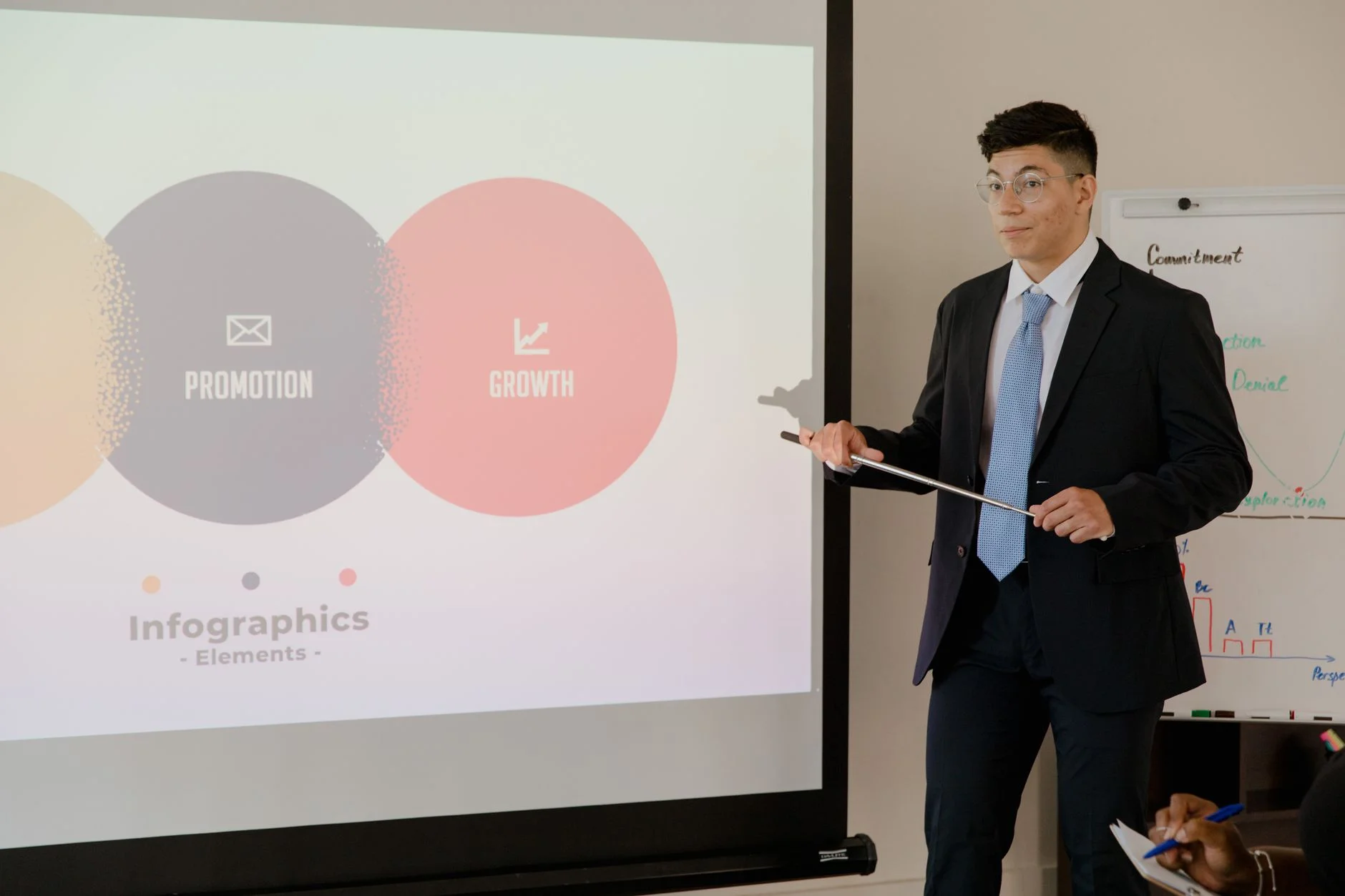





Be the First to Review
Share your thoughts on this article.
Leave a Review
Your email address will not be published.